
Skip to content

Preservative Analysis

Quantitative determination of antimicrobial preservatives, sulphites and lipid-phase antioxidants by HPLC, ion chromatography, and Monier-Williams distillation – including interpretation for natural occurrence and allergen thresholds.

A laboratory featuring a large tray filled with test tubes for HPLC preservative analysis.

Compliance, Natural Occurrence and Allergen Thresholds

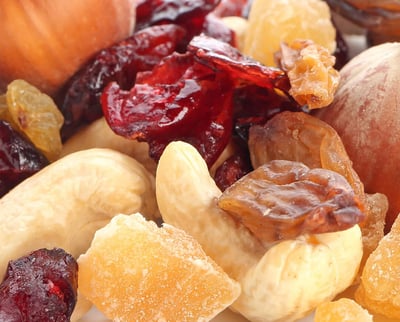
Different dried fruits and nuts on white background

Preservatives include antimicrobial agents (sorbates, benzoates, sulphites, nitrites/nitrates) and antioxidants such as tocopherols. Their authorized use and maximum levels are defined under Regulation (EC) 1333/2008.

Natural occurrence must be distinguished from intentional addition: sorbic and benzoic acid can originate from raw materials or fermentation. Measured levels are therefore assessed against recipe and processing conditions.

Sulphites (E 220–E 228) require allergen labelling above 10 mg/kg or 10 mg/l (as SO₂), so a single result informs both preservative compliance and allergen threshold verification.

Parameter Portfolio

Presevatives and antioxidants – with distinct analytical
methods and regulatory frameworks.

Antimicrobial Preservatives

Preservatives that inhibit microbial growth in foods, including sorbates, benzoates, and nitrite/nitrate. Their authorised use and maximum levels are defined in Regulation (EC) 1333/2008.

Methods: HPLC-UV/DAD, Monier–Williams (sulphites).

Common analytes: Sorbic acid, benzoic acid, sulphur dioxide, nitrite, nitrate.
Antioxidants

Antioxidants slow oxidative degradation in fat containing foods. Authorised antioxidants include tocopherols and synthetic phenolic compounds (BHA, BHT), regulated under Regulation (EC) 1333/2008.

Methods: HPLC-UV/DAD, HPLC-FLD.

Common analytes: Ascorbic acid, tocopherols, BHA, BHT.

Analytical Methods

Method selection depends on substance class, matrix complexity and regulatory reference method requirements.
Multi-Component

HPLC-UV/DAD

Simultaneous determination of sorbic acid and benzoic acid in a single chromatographic run.

Sulphites – Reference

Monier-Williams Distillation

Optimized distillation method for total sulphur dioxide (free + bound SO₂).  Required when matrix-specific interferences (e.g. volatile sulphur compounds in wine or dried fruit) make ion chromatographic determination unreliable.

Analytical Interpretation

Two aspects that distinguish preservative analysis from routine additive testing –
and that directly affect how results are reported and used.
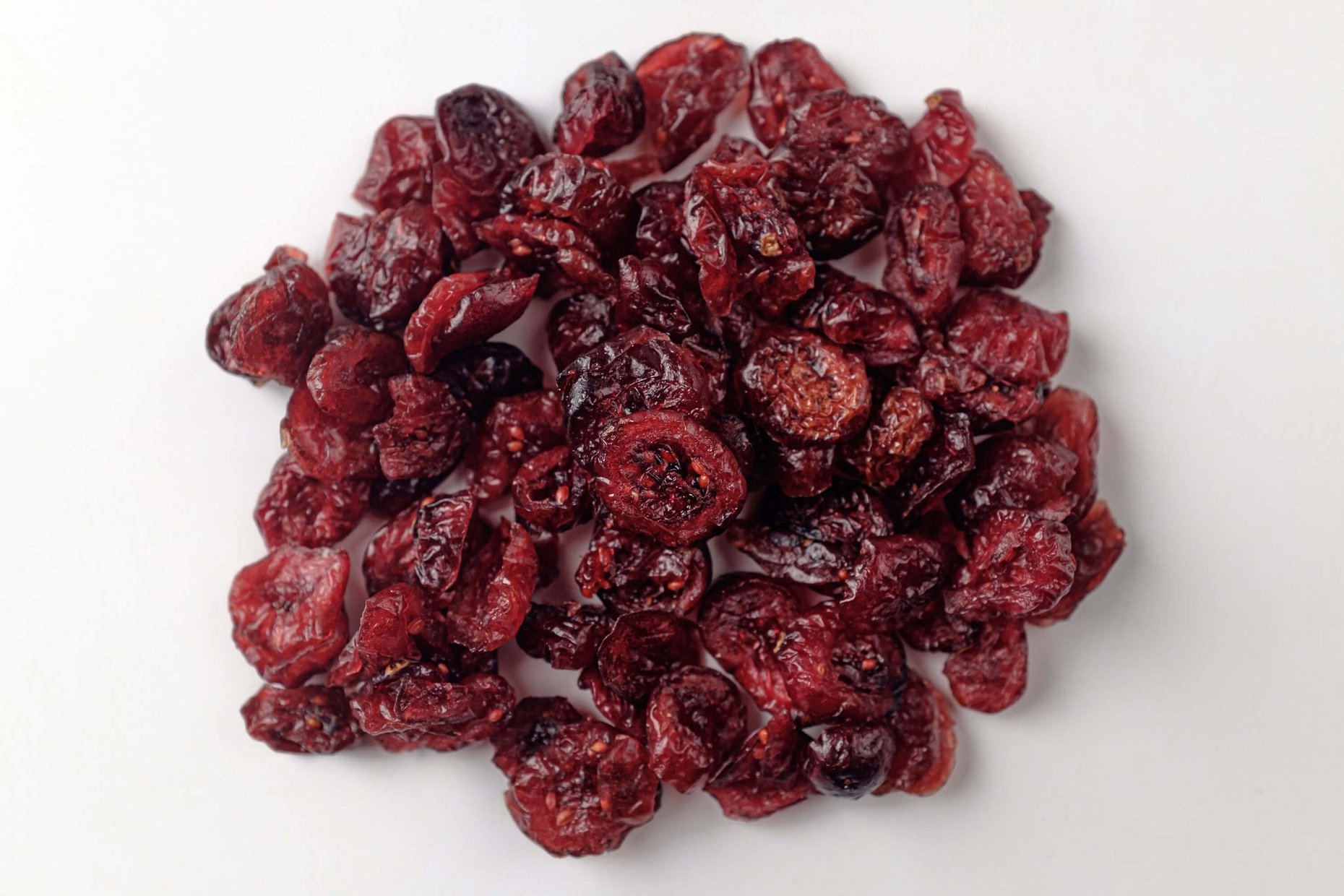
Dried cranberries scattered on a white background, showcasing their rich red color and wrinkled texture.

Natural Occurrence vs. Intentional Use

Natural levels of sorbic and benzoic acid can originate from raw materials or fermentation. Analytical results therefore require contextual evaluation against recipe composition, processing steps and known endogenous concentrations to distinguish natural occurrence from intentional additive use.

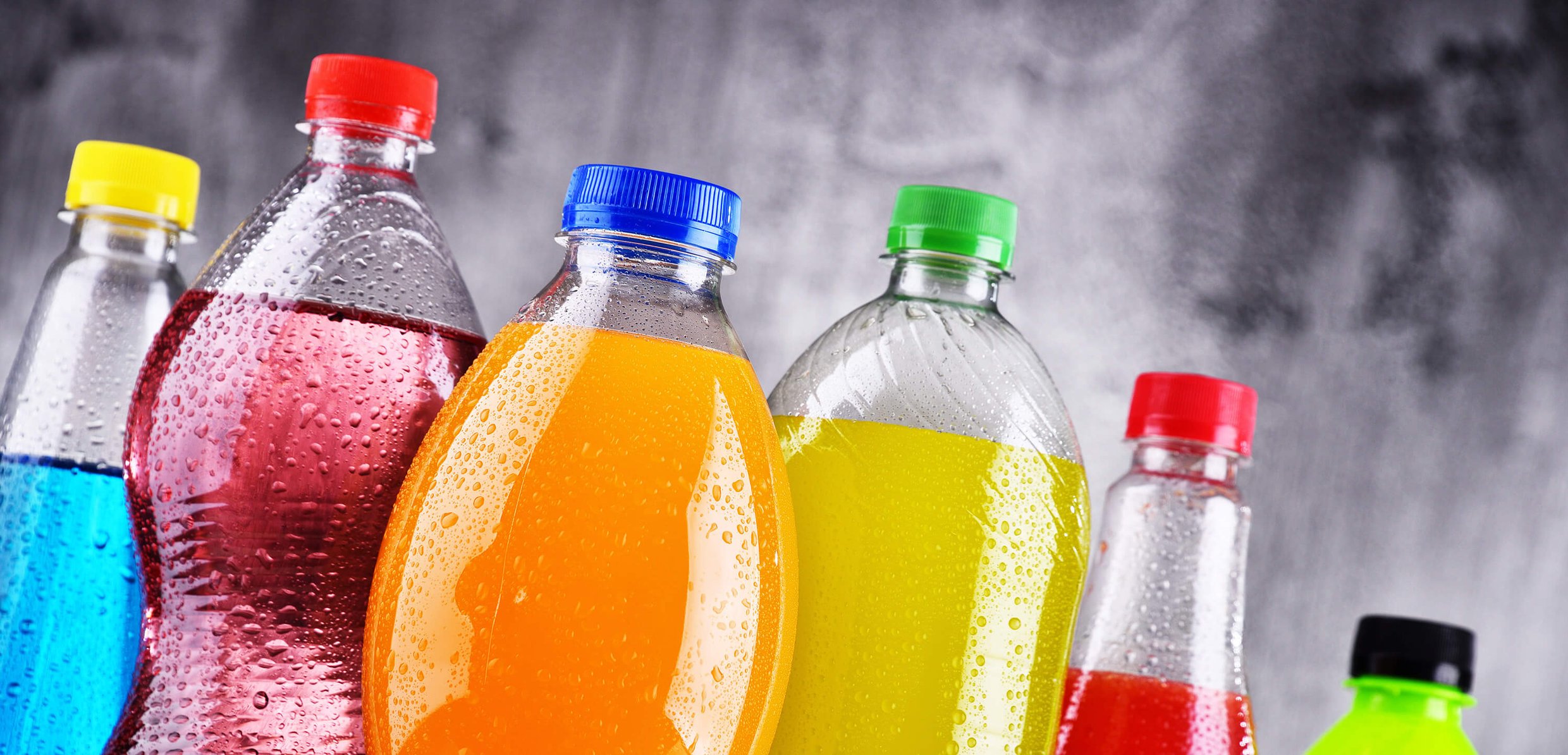
A display of colorful soda bottles, showcasing a variety of hues and designs.

Combined Use & Summation Rules

When multiple preservatives from the same functional group are used, summation rules under Regulation (EC) 1333/2008 apply. Combined concentration must not exceed the most restrictive maximum level. Sulphites additionally require allergen declaration above 10 mg/kg or 10 mg/l (as SO₂), so one measurement supports both additive compliance and allergen thresholds.

Related Analytics

Scientist working with bioanalytical samples in laboratory.

Bioanalytics – Allergens

Sulphites above 10 mg/kg SO₂ trigger mandatory allergen declaration. Combine preservative quantification with allergen risk management in a single analytical programme.

Learn More
Selective focus of a bottle of pure aspartame artificial sweetener and sucrose or table sugar chemical compound comparison.

Sugar Substitutes

Multi-component HPLC methods can determine preservatives and intense sweeteners simultaneously – reducing sample volume, turnaround time and cost for products containing both substance classes.

Learn More