Skip to content

Elements & Ions

Analysis of toxic elements, essential minerals and ionic species across complex matrices.

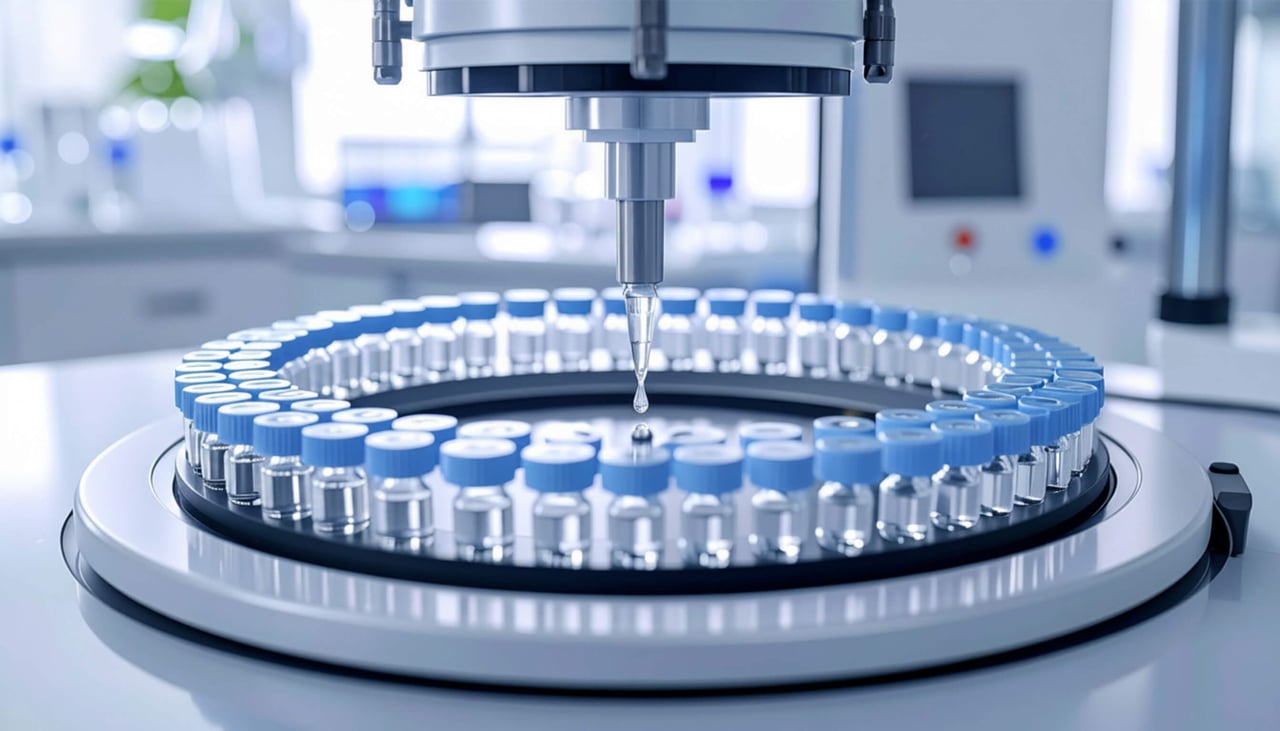
Automated laboratory autosampler with vials arranged in a circular tray.

From Trace Contaminants to Essential Minerals

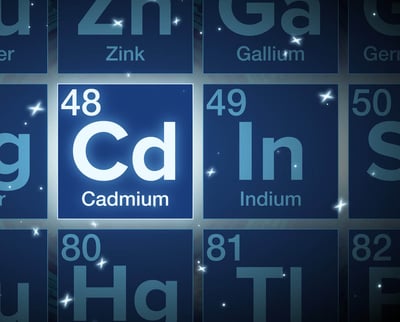
Close-up of the cadmium symbol on the periodic table in a technical background.

Elemental and ionic analysis spans multiple analytical objectives within the same matrix. Trace contaminants such as lead, cadmium, mercury or arsenic are determined at regulatory limits, while essential minerals like calcium, iron, zinc or selenium require accurate quantification for nutritional evaluation.

Ionic species add further analytical relevance in safety assessment and quality control. Analytical performance is driven by concentration range, matrix composition and, where applicable, chemical form.

Parameter Portfolio

Complementary analytical categories covering elemental and ionic parameters relevant to food safety, nutritional labelling, water quality, and regulatory compliance across food, feed, and water matrices.

Heavy Metals

Toxic and potentially toxic elements with legally binding maximum levels under Regulation (EU) 2023/915. Determination at trace and ultra‑trace level using ICP‑MS, including element‑specific methods for regulatory differentiation.

Methods: ICP‑MS, AAS

Common analytes: Lead (Pb), Cadmium (Cd), Mercury (Hg), Arsenic (total & inorganic), Nickel (Ni), Tin (Sn), Aluminium (Al), Antimony (Sb), Chromium (Cr)

Minerals

Macro minerals relevant for nutritional labelling and declaration under Regulation (EU) No 1169/2011. Quantification for label compliance, fortification control and dietary supplement assessment.

Methods: ICP‑MS, AAS

Common analytes: Sodium (Na), Potassium (K), Calcium (Ca), Magnesium (Mg), Phosphorus (P), Sodium chloride (NaCl, calculated)

Trace Elements

Essential trace elements required in small amounts for physiological functions. Determination for nutritional labelling, dietary supplement testing, fortification verification and feed premix analysis.

Methods: ICP‑MS

Common analytes: Iron (Fe), Zinc (Zn), Copper (Cu), Selenium (Se), Iodine (I), Manganese (Mn), Chromium (Cr), Molybdenum (Mo), Cobalt (Co), Boron (B), Lithium (Li)

Anions & Cations

Inorganic anions and cations relevant for drinking water compliance (TrinkwV), process water quality and matrix‑specific food parameters.

Methods: Ion Chromatography (IC)

Common analytes: Fluoride, Chloride, Bromide, Nitrate, Nitrite, Sulphate, Phosphate, Chlorate, Chlorite, Bromate, Ammonium, Sodium, Potassium, Calcium, Magnesium

Analytical Scope

Method selection is driven by the element, its concentration range, the required chemical speciation and the matrix. Select an application area to access the corresponding elemental and ionic parameters, analytical methods and regulatory context.

Matrices We Analyse

Our elemental and ionic analysis covers a wide range of food, feed, water and environmental matrices. Matrix‑specific performance parameters depend on analyte, composition and regulatory requirements.

Assorted organic food products on the table.

Food & Ingredients

Cereals, grains, nuts, oilseeds, spices, herbs, cocoa, coffee, tea, fruits and vegetables (fresh and processed), confectionery, edible oils and fats, dairy products, eggs, meat, fish and seafood.

Blue scoop filled with powdered infant formula.

Baby Food & Special Nutrition

Infant formula, follow‑on formula, baby cereals, complementary foods, foods for special medical purposes as well as products for clinical and specialzed nutrition.

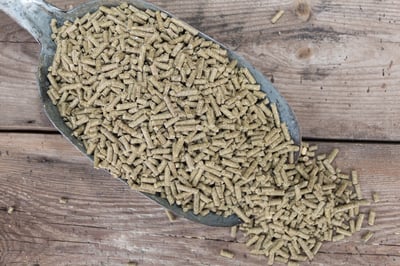
Spoon filled with rabbit feed pellets for sale in a forage store.

Feed & Pet Food

Feed materials, compound feed, mineral premixes, forages and pet food products including dry, wet and complementary feed.

Glass of water on a bright white surface.

Water & Environmental Samples

Drinking water, raw water, process water and wastewater as well as environmental swab samples.

Regulatory Framework

Elemental and ionic analysis is governed by a layered regulatory framework covering food contaminants, nutritional labelling, drinking water and feed legislation.

The same element may be regulated as a toxic contaminant or as an essential nutrient depending on context – while the analytical determination is identical, regulatory interpretation differs.

Regulation (EU) 2023/915
Maximum levels for lead, cadmium, mercury, inorganic arsenic, inorganic tin and nickel in food.

Regulation (EU) No 1169/2011 (FIC)
Mandatory nutrition declaration; minerals declared when required or voluntarily indicated.

Directive 2002/32/EC
Maximum levels for undesirable elements including arsenic, lead, cadmium, mercury and fluorine.

Regulation (EC) No 1925/2006
Conditions for the addition of vitamins and minerals to foods, including permitted mineral form.

UK Regulatory Framework (Retained EU Law)
Post‑Brexit application of EU‑derived legislation for elemental contaminants, minerals and water parameters under UK law for the Great Britain market.

Related Analytics

Liquid being dropped into a test tube during laboratory research.

Chemical Contaminants

Process‑ and environment‑related contaminants such as acrylamide, 3‑MCPD, PAH, dioxins/PCBs and PFAS. Can be combined with heavy metal analysis for comprehensive food safety assessment.

Learn More
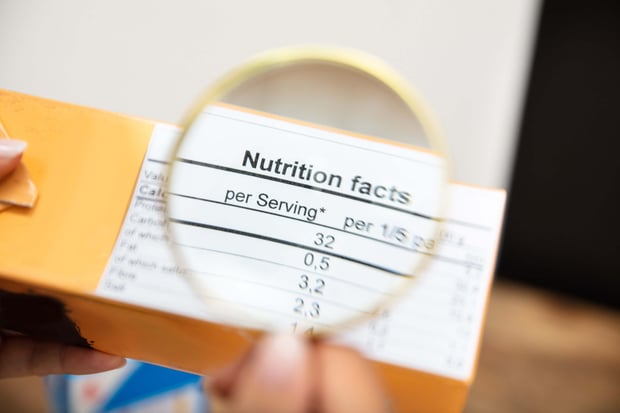
Magnifying glass over a nutrition facts label on food packaging.

Nutrition

Mineral content forms a core component of nutritional labelling. Elemental analysis can be combined with proximate composition, vitamins and fatty acid profiling for complete nutrition declarations.

Learn More