Skip to content

Phytochemical & Plant Toxin Analysis

Quantitative determination of plant-derived contaminants in food, feed and botanical products – ISO/IEC 17025 accredited.

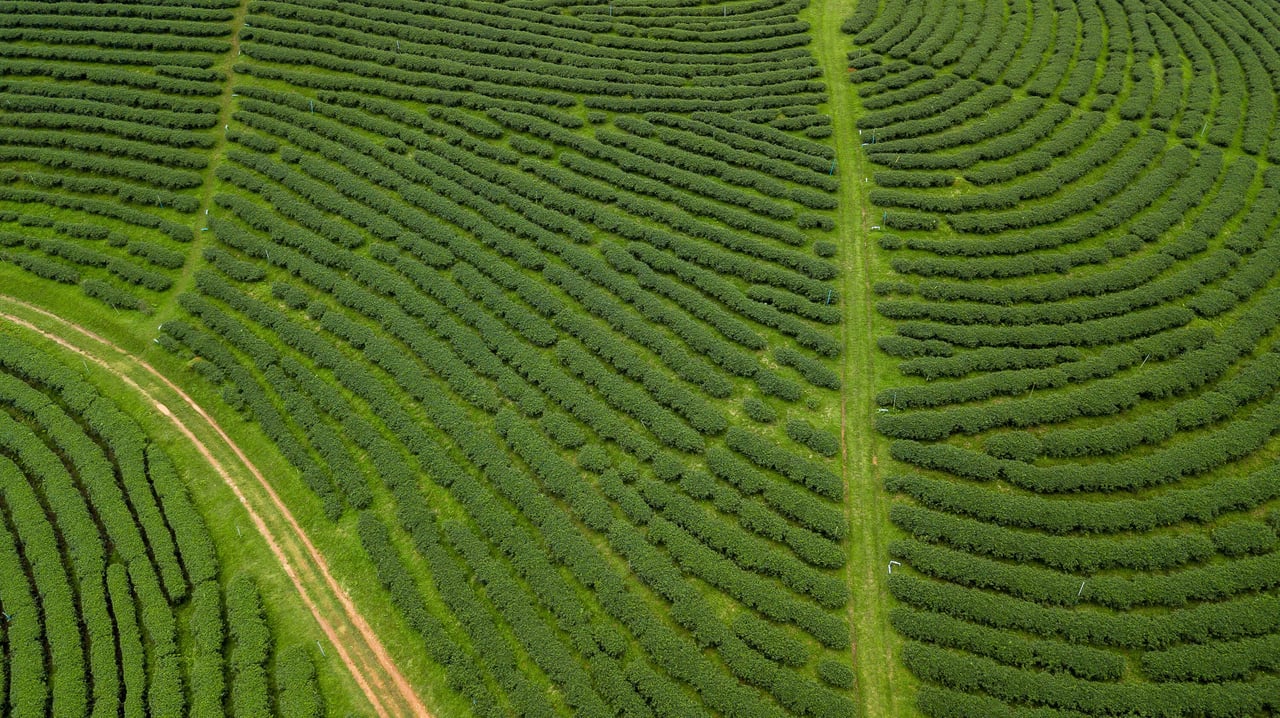
An aerial view of a green tea plantation shows an ecological tea garden with a lush, textured agricultural landscape.

From Plant Metabolites to Regulated Parameters –
Toxin Analytics

A top view of dried herbs on a white background.

Plant toxins enter the food chain through co-harvested weeds, botanical ingredients, spices or plant parts containing natural alkaloids.

Under Regulation (EU) 2023/915, maximum levels apply to erucic acid, tropane alkaloids, hydrocyanic acid, pyrrolizidine alkaloids and opium alkaloids; coumarin is regulated separately, and Δ9-THC has defined limits for hemp-based foods.

We provide quantification of relevant plant toxins using different accredited analytical methods, including sum-parameter and lower-bound evaluations. 

Parameter Portfolio

Substance groups with distinct biosynthetic origins, toxicological profiles and regulatory frameworks. Grouped by chemical class and regulatory relevance.

Pyrrolizidine Alkaloids (PA)

Hepatotoxic and genotoxic metabolites produced by more than 6 000 plant species. Enter food and feed predominantly through co‑harvested weeds such as Senecio and Boraginaceae.

Method: LC‑MS/MS

Common analytes: Pyrrolizidine alkaloids incl. N‑oxides.

Tropane Alkaloids (TA)

Atropine and scopolamine – biosynthesised by Solanaceae (e.g. Datura). Contamination arises from co‑harvested seeds in cereals and cereal‑based foods.

Method: LC‑MS/MS

Common analytes: Atropine, scopolamine (Hyoscine).

Opium Alkaloids

Morphine and codeine occur naturally in poppy seeds (Papaver somniferum). Levels vary by harvest, cleaning and processing.

Method: LC‑MS/MS

Common analytes: Morphine, codeine, morphine + codeine.

Coumarin

A naturally occurring aromatic compound – abundant in Cassia cinnamon, minimal in Ceylon cinnamon.

Methods: HPLC‑UV/DAD.

Common analytes: Coumarin in food matrices or in raw cinnamon.

Hydrocyanic Acid (HCN)

Released from cyanogenic glycosides (e.g. amygdalin, linamarin, dhurrin) during tissue disruption. Relevant in almonds, apricot kernels, cassava, linseed and stone fruit kernels.

Methods: Distillation/photometric.

Common analytes: Total HCN.

Analytical Methods

Method selection depends on substance class, sensitivity and matrix complexity.
LC‑MS/MS is the primary platform; complementary methods cover coumarin and HCN.
Primary Platform

LC‑MS/MS

Tandem mass spectrometry for multi‑alkaloid quantification with chromatographic separation of isomers. Suitable for regulated PA, TA, opium alkaloids.

Suitable for: 35 PAs + N‑oxides, atropine, scopolamine, morphine, codeine, thebaine, papaverine, noscapine, coumarin.

Complementary Methods

HPLC‑UV/DAD & Enzymatic/Photometric

Ultraviolet/diode‑array detection for coumarin and selected cannabinoids. Enzymatic and photometric workflows for HCN via cyanogenic glycosides.

Suitable for: Coumarin, hydrocyanic acid, amygdalin, cyanogenic glycosides.

Analytical Interpretation

Plant toxin contamination depends on botanical origin, supply chain controls, weed management and processing conditions. Testing spans raw agricultural commodities, processed foods and dietary supplements.
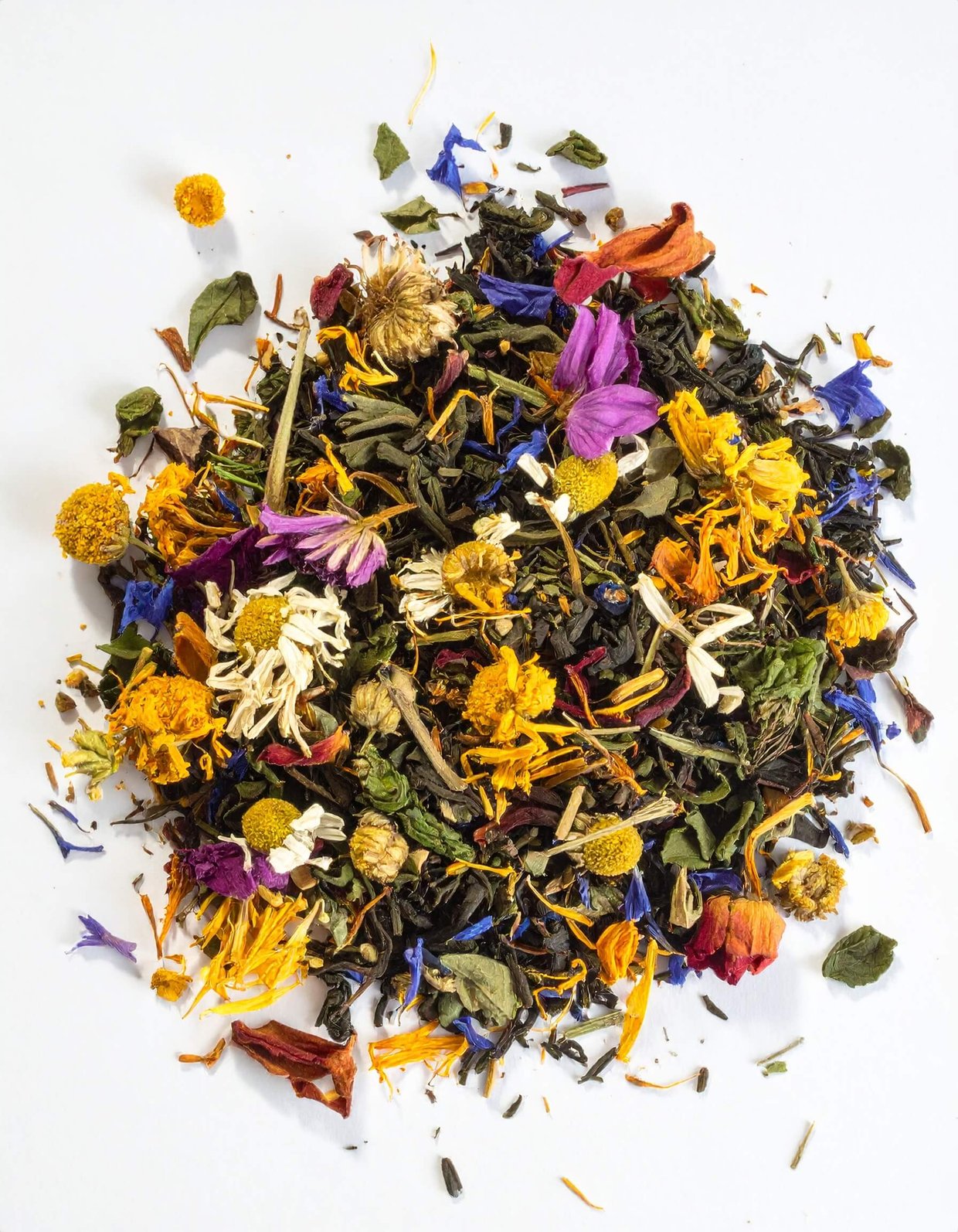
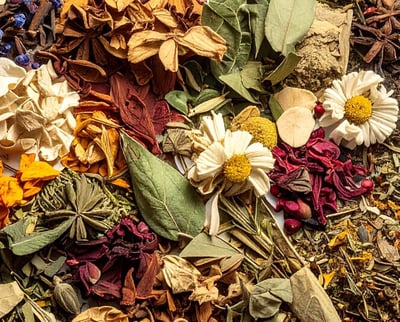
A pile of loose tea featuring a blend of various flowers and herbs, showcasing vibrant colors and textures.

Tea & Herbal Infusions

One of the highest‑risk categories for pyrrolizidine alkaloids due to co‑harvested weeds; tropane alkaloids occur in herbal blends.

Typical applications: Herbal teas with visible plant fragments, chamomile, fennel, blended herbal infusions, pyrrolizidine alkaloids and tropane alkaloids screening of retail lots.

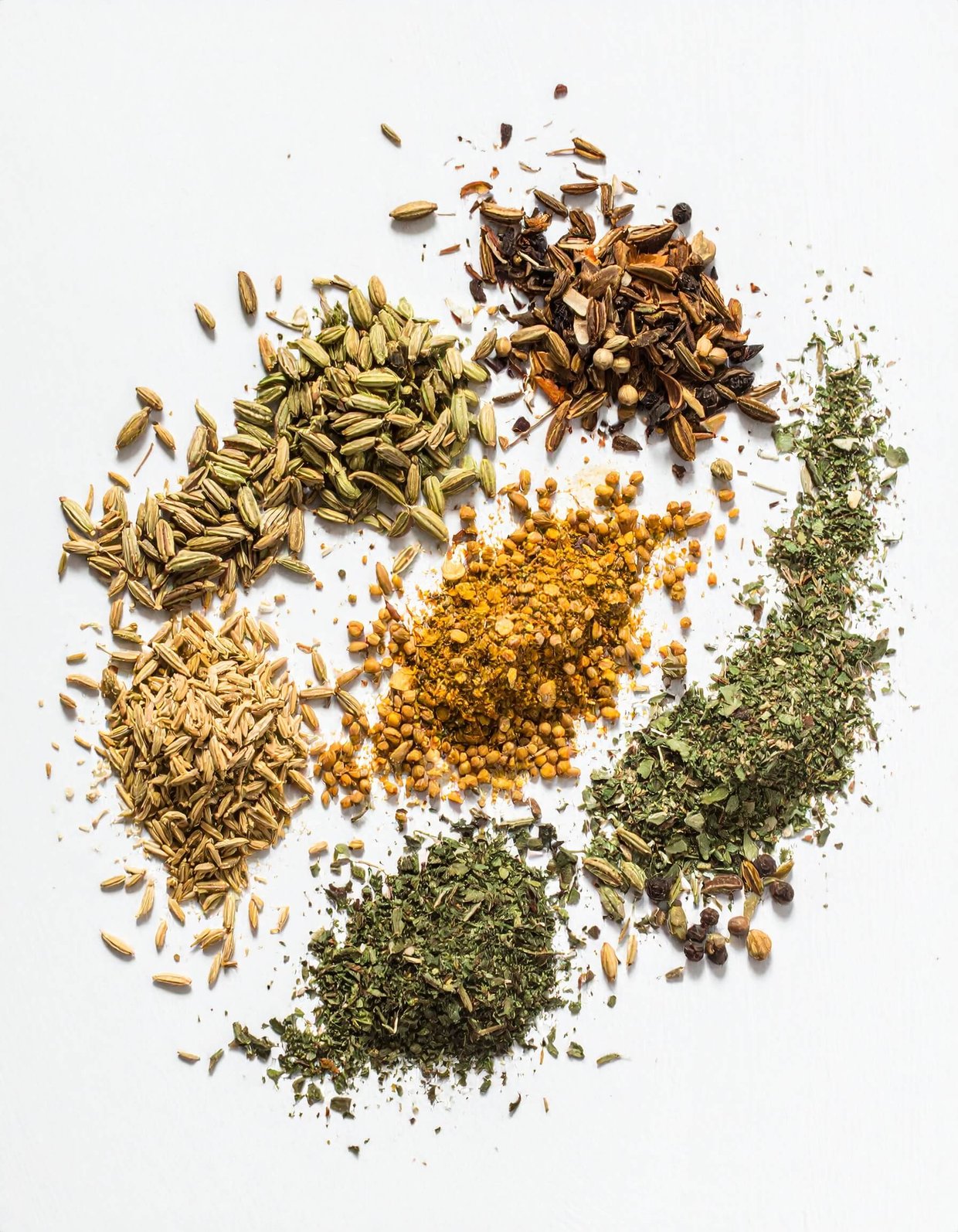
A variety of spices and herbs arranged on a white background, showcasing their colors and textures.

Herbs & Spices

Botanicals with diverse toxin profiles: pyrrolizidine alkaloids, tropane alkaloids and coumarin.

Typical applications: Dried herbs and spice seeds (cumin, fennel, oregano), cinnamon authenticity & coumarin control, pyrrolizidinalkaloid quantification in herb lots.

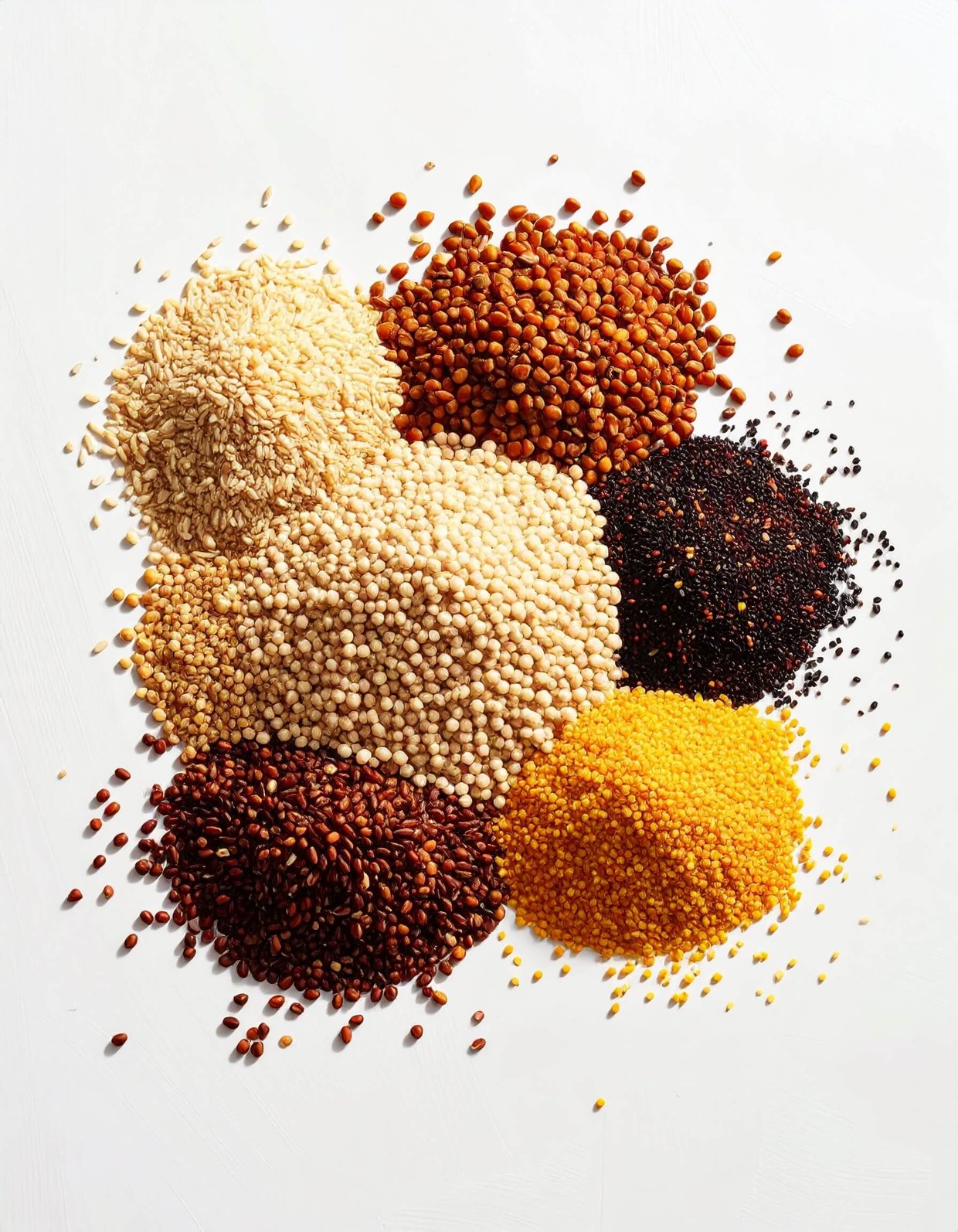
An assortment of loose grains, spices, and seeds arranged to highlight their diverse shapes and vibrant hues.

Cereals & Pseudocereals

Tropane  alkaloids may occur due to co-harvest with Datura species; opium alkaloids are relevant in bakery products containing poppy seeds. 

Typical applications: Millet, buckwheat, sorghum, amaranth, cereal‑based infant food, poppy‑seed bakery products.

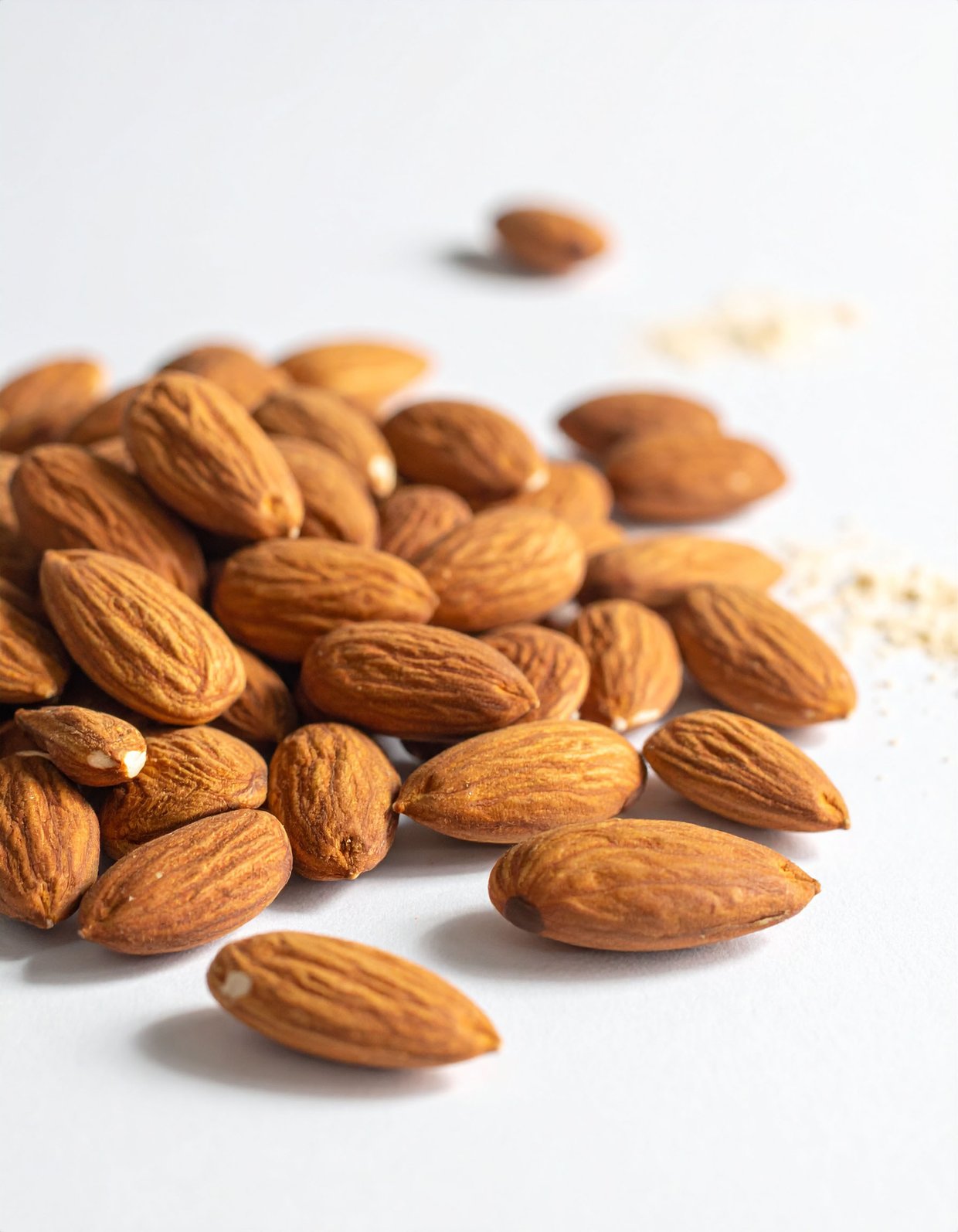
Bitter_Almonds_@ifp

Food Supplements & Botanical Extracts

Analysis of complex botanical matrices requiring targeted extraction and reliable detection of relevant compounds, including pyrrolizidine alkaloids (PA), opium alkaloids, hydrocyanic acid (HCN) and coumarin.
 

Typical applications: Incoming goods inspection of bitter almonds, apricot kernels and plant-derived raw materials.

Regulatory Framework

Plant toxins in the EU are regulated across multiple legal instruments. The primary framework is Regulation (EU) 2023/915 – covering pyrrolizidine alkaloids, tropane alkaloids, opium alkaloids, and hydrocyanic acid. Coumarin falls under flavouring regulation (EC) No 1334/2008 with category- specific maximum levels in finished products.

Our analytical team advises on parameter selection per food category, applicable maximum levels and interpretation of results.

Regulation (EU) 2023/915
Maximum levels for contaminants in food.

Regulation (EC) No 1334/2008
Flavourings and certain food ingredients with flavouring properties. Maximum levels for coumarin in finished product.

Commission Regulation (EU) 2023/2782
Methods of sampling and analysis for contaminants in food – specifies performance criteria, measurement uncertainty and reference methods applicable to plant toxin determinations.

UK Retained EU Law
Post-Brexit framework retaining equivalent plant toxin maximum levels in Great Britain. Monitoring requirements may diverge from EU updates.

Related Analytics

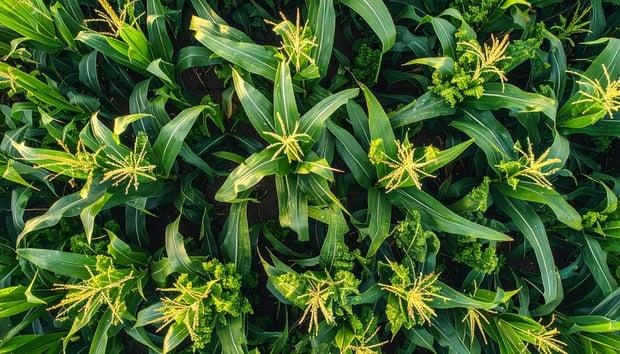
Close-up of a corn plant showcasing vibrant green leaves in a field setting.

Mycotoxins

Aflatoxins, OTA, Fusarium toxins, ergot alkaloids – frequently tested alongside pyrrolizidine alkaloids in cereals, herbs, spices and tea for comprehensive contaminant assessment.

Learn More
Aerial perspective of a vegetable field showcasing lush green and golden yellow crops arranged in organized patterns.

Pesticide Residues

Multi-screening of ~700 pesticides. Combined programmes for botanical products where plant toxin and pesticide testing is often required in parallel.

Learn More