Skip to content

Water-Soluble Vitamin Analysis

Vitamin C and B vitamins (B₁–B₁₂) by VitaFast® assay and HPLC / LC-MS/MS under ISO/IEC 17025 – covering total activity and vitamer specific quantification.

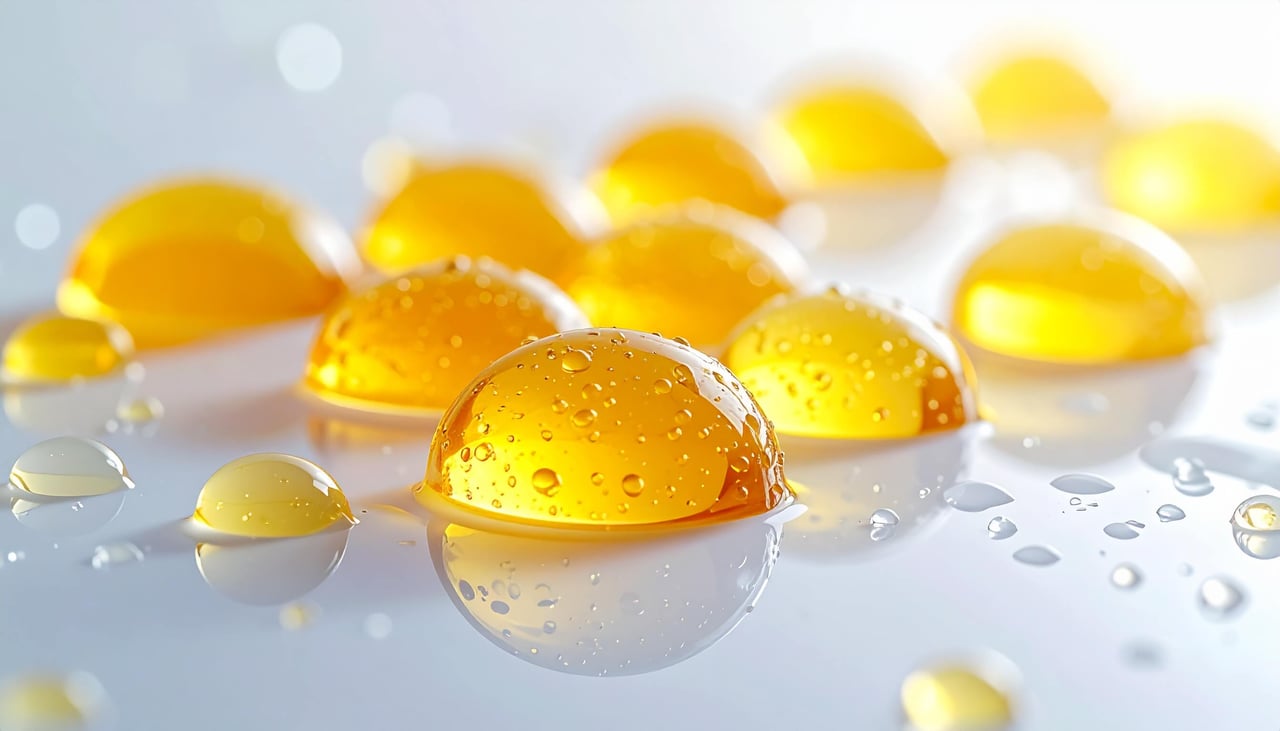
Vitamin C droplets on a white surface.

Vitamin C & B Vitamins –
Where the Method Defines the Measurand

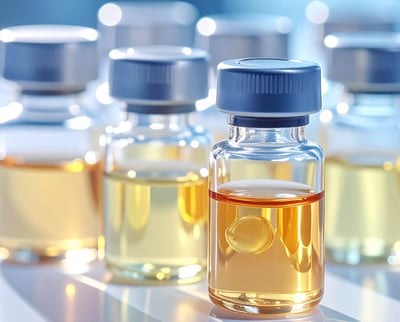
A collection of vials filled with assorted vitamin liquids, showcasing a spectrum of colors.

Water soluble vitamins support energy metabolism, one carbon pathways, neurotransmitter synthesis and immune function. Because they cannot be stored, they must be supplied continuously through diet or supplementation. A key analytical distinction exists microbiological assays measure total biologically active content, whereas HPLC / LC-MS/MS quantifies individual vitamer forms. These approaches may produce different results, especially in native, non fortified products with protein bound or matrix associated vitamers.

ifplabs is one of few European laboratories offering both methods in-house, enabling method comparison, cross validation and matrix appropriate method selection.

Parameter Portfolio

Complete coverage of water soluble vitamins with primary analytical methods and key matrices.

Vitamin C (Ascorbic Acid)

Water soluble antioxidant essential for immune function and collagen synthesis. Occurs in juices, fruits and fortified foods.

Methods: HPLC

Common analytes: L Ascorbic acid

Vitamin B Complex
(B₁, B₂, B₃, B₅, B₆, B₇, B₉, B₁₂)

Essential cofactors in energy metabolism and one carbon pathways. Vitamers differ chemically and require form specific detection.

Methods: VitaFast® (total biological activity), HPLC-FLD, LC-MS/MS.

Common analytes: B₁ (Thiamine), B₂ (Riboflavin), B₃ (Nicotinic acid + Niacinamide), B₅ (Pantothenic acid), B₆ (Pyridoxine, Pyridoxal, Pyridoxamine), B₇ (Biotin), B₉ (Folic acid), B₁₂ (Cobalamin).

Analytical Methods

Method selection is determined by analyte, matrix and required sensitivity.
Total Activity

VitaFast® Microbiological Assay

Microbiological determination of total biologically active vitamin content, including bound, entrapped and protein associated vitamers. Method of choice for native, non fortified products where physiologically active content is the relevant measurand.

Learn More
Vitamin C Forms & Select B-Vitamins

HPLC-DAD

HPLC-DAD enables reliable UV-based identification and quantification, while HPLC-FLD provides enhanced sensitivity for fluorescent or derivatised compounds. Method selection depends on analyte properties to ensure accurate and robust results. 


Vitamer-Specific

LC-MS/MS

High selectivity mass spectrometry for vitamer specific quantification (e.g., B₃ forms, B₅, B₆ vitamers, biotin, folate forms, cobalamin).

Analytical Interpretation

Key analytical considerations that influence how water soluble vitamin results are evaluated and interpreted across different matrices.
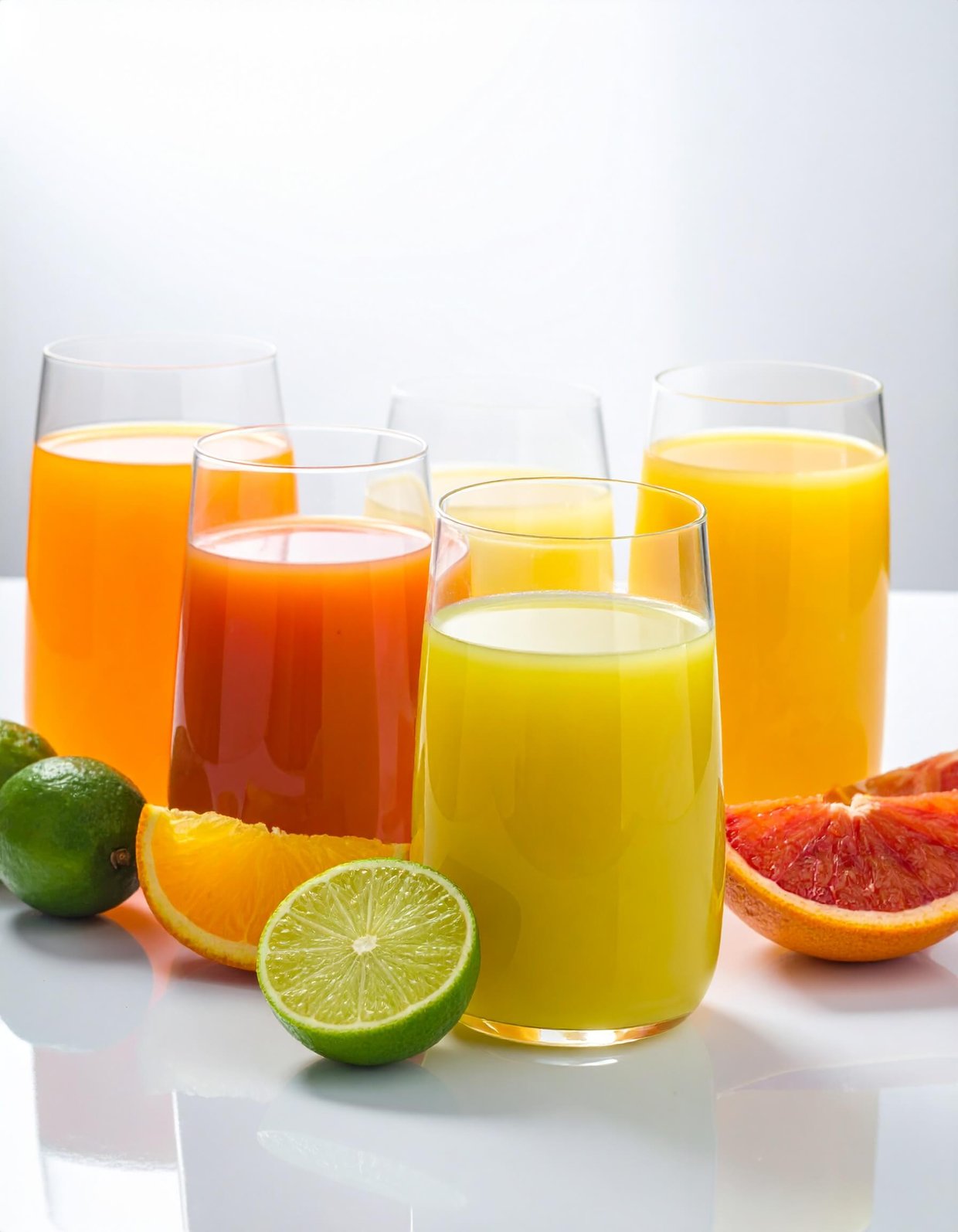
A display of juice-filled glasses with assorted fruits in front, highlighting the vitamin C richness of the beverages.

Vitamin C (Ascorbic Acid & DHAA)

Essential antioxidant for collagen synthesis and immune defence. Analysis distinguishes ascorbic acid from DHAA, the oxidised form – relevant in processed and heat treated products.

Typical applications: Stability studies, Juices & fortified foods, Shelf life monitoring.

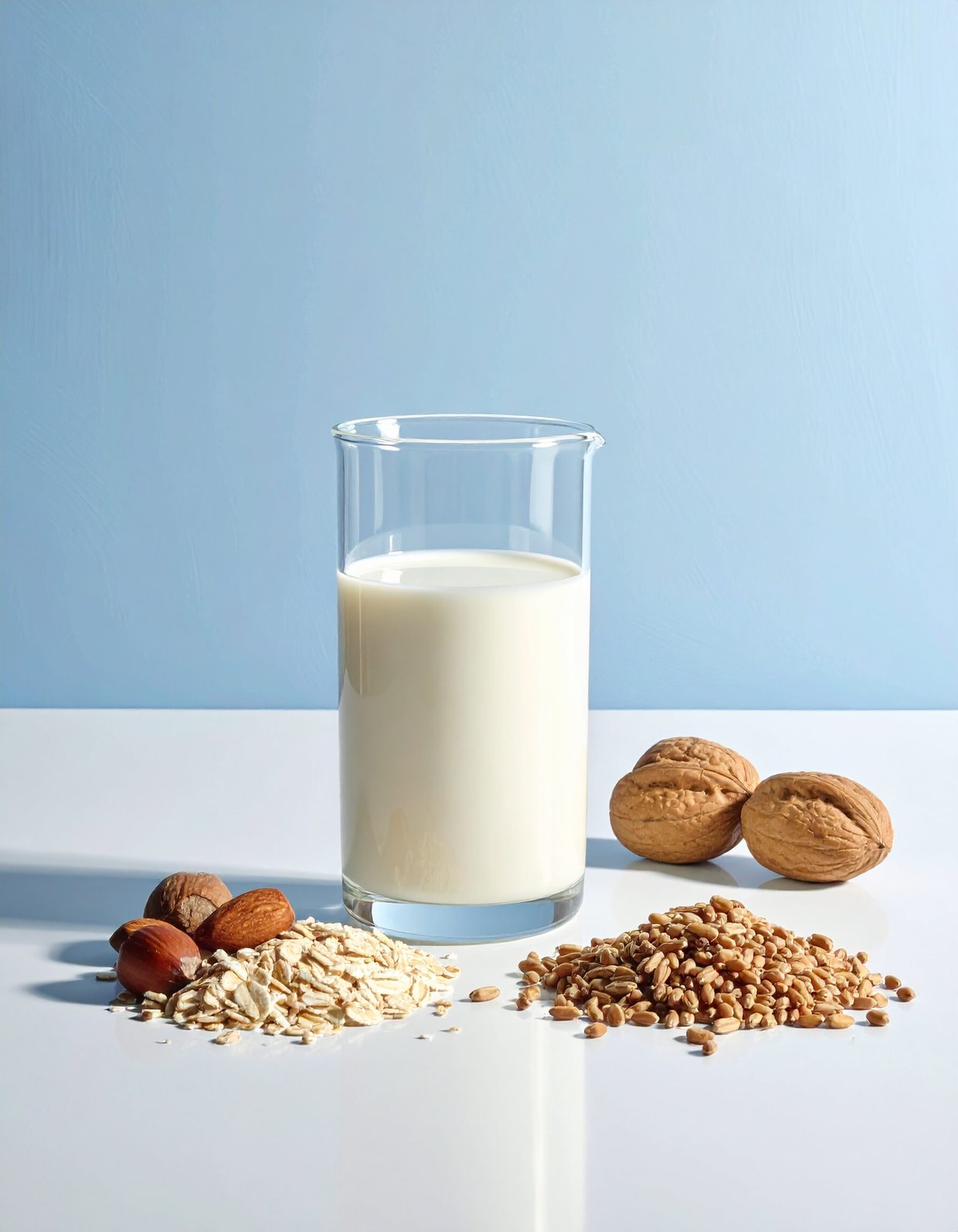
A glass of milk alongside almonds and mixed nuts on a white table, highlighting a source of vitamin B.

Vitamins B₁–B₃ (Thiamine, Riboflavin, Niacin)

Key cofactors in energy metabolism. Detection depends on vitamer.

Typical applications: Fortified cereals, Dairy, Supplements, Feed premixes.

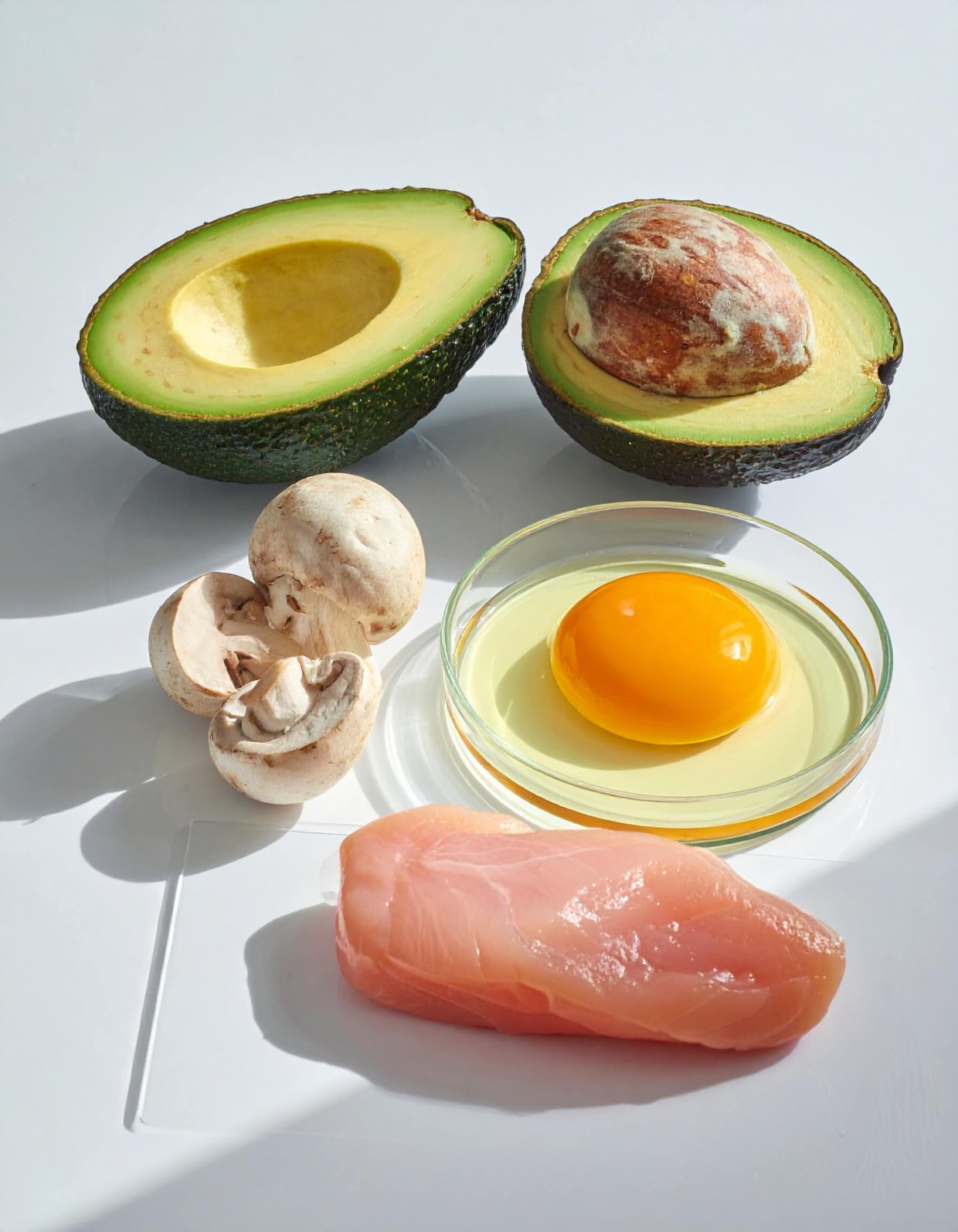
A table featuring avocado, mushrooms, eggs, and white meat highlighting their rich vitamin B5 to B7 content.

Vitamins B₅–B₇ (Pantothenic Acid, Pyridoxine, Biotin)

Metabolism critical vitamers requiring LC MS/MS due to polarity and low native levels.

Typical applications: Supplements, Meat & fish products, Nutritional declaration.

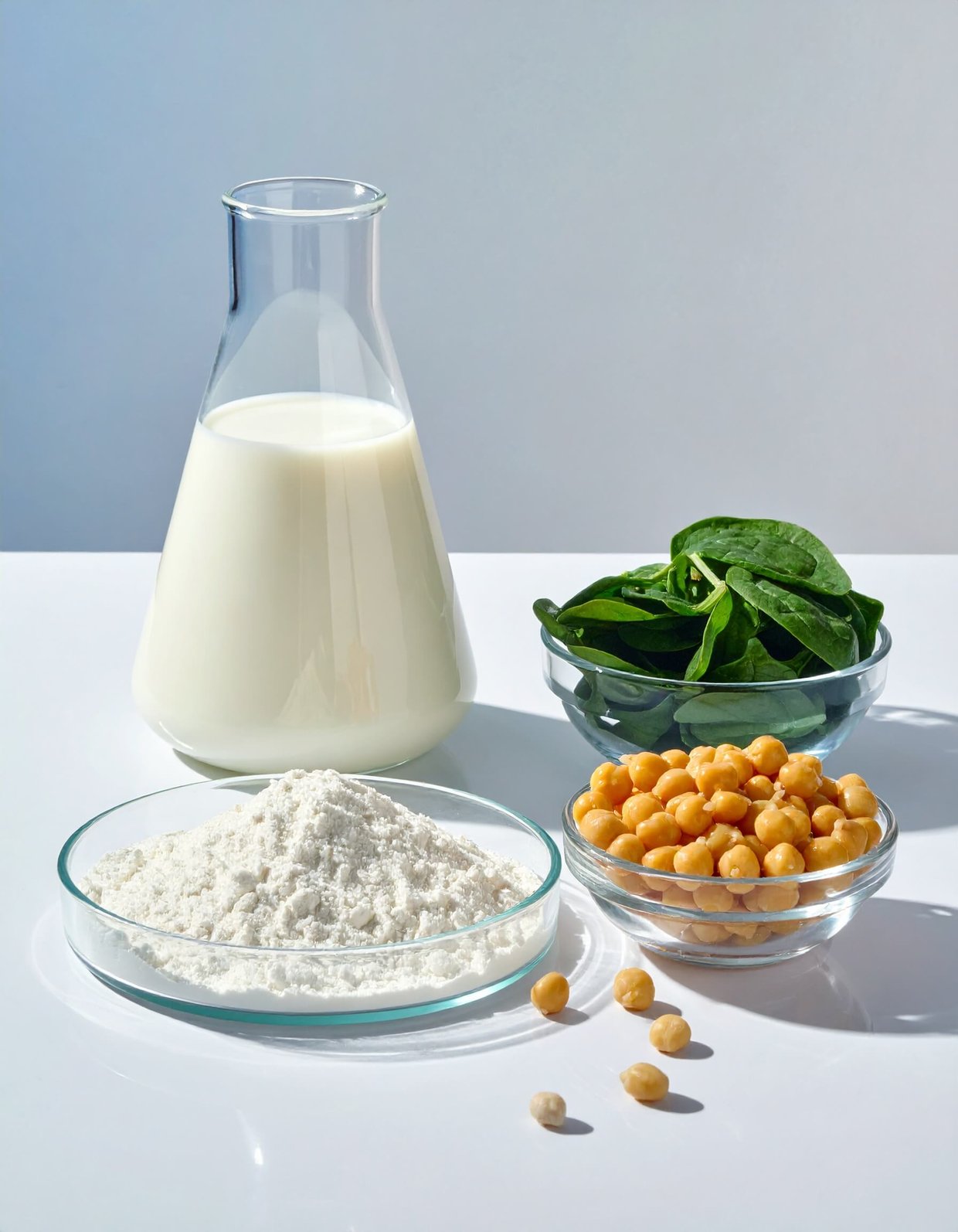
Several bowls filled with milk, beans, spinach, and other ingredients rich in vitamins B9 and B12.

Vitamins B₉–B₁₂ (Folic Acid, Cobalamin)

Analytically demanding vitamers requiring MS based quantification; crucial in pregnancy nutrition, fortified foods and plant based alternatives.

Typical applications: Infant formula, Fortified flour, Vegan products, Potency testing.

Related Analytics

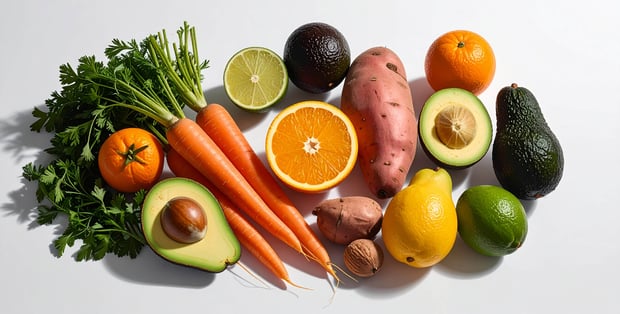
A colorful assortment of fruits and vegetables displayed on a white surface, showcasing their vibrant colors and textures.

Fat‑Soluble Vitamin Analysis

Vitamins A, D₃, E and K by HPLC-FLD, HPLC-DAD and LC-MS/MS. Combine with water-soluble testing for complete vitamin profiling.
Learn More
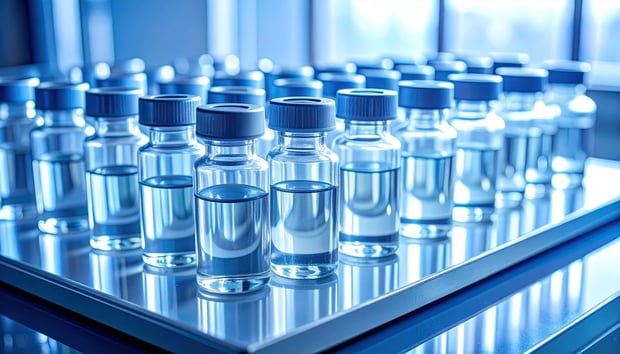
Several vials containing liquid, indicating different preservatives for scientific purposes.

Preservatives

Ascorbic acid (E 300) serves dual functions as antioxidant additive and vitamin C. Where both roles apply, testing can be combined to reduce turnaround time.

Learn More