

Skip to content

Bioanalytics

 DNA-based, immunological and enzymatic analytics under ISO/IEC 17025 accreditation. Allergens, animal species identification and plant identification, GMOs and compositional parameters by real-time PCR, ELISA and validated enzymatic methods. 

A glowing digital DNA sequence and code structure on a futuristic nanotechnology science background.

ELISA or PCR –
We Choose the Best Approach for Your Samples

Numerous small white spheres are scattered across a white background.

DNA and proteins determine the identity and composition of food, feed and botanical products. Regulatory requirements rely on molecular and immunological evidence – from allergen declaration and species identification to GMO labelling and authenticity testing.

We provide real‑time PCR, ELISA and validated enzymatic assays under ISO/IEC 17025 accreditation.

Parameter Portfolio

Three complementary detection principles – each optimised for different target molecules and analytical questions.

DNA‑Based (PCR)

Unintentionally introduced substances originating from environmental exposure, processing, packaging or raw materials.

Method: Real‑time PCR (species‑specific, group‑specific, genetic element‑specific).

Common analytes: Allergen‑encoding genes, animal & plant species, GMO screening elements (35S, NOS, FMV, CTP2), event‑specific GMOs, halal/kosher markers, pathogens (Salmonella, Listeria, Campylobacter).
Immunological (ELISA)

Protein‑specific quantification via antibody–antigen interaction. Regulatory reference for gluten; core method for allergen management.

Methods: Sandwich‑ELISA, competitive ELISA.

Common analytes: 14 EU allergens.

Enzymatic

Substrate‑specific enzymatic reactions and microbiological growth assays for compositional parameters.

Methods: Enzymatic substrate assays, colorimetric endpoint assays.

Common analytes: Glucose, fructose, sucrose, lactose, maltose, L‑malic, citric, acetic, D/L‑lactic, ethanol, glycerol, total starch.

Analytical Scope

Select an application area to access the corresponding analytical parameters and method details. Each section links directly to a dedicated page with scope, methods, regulatory context and matrix‑specific considerations.

Analytical Methods

Method selection depends on target molecule, required sensitivity and matrix complexity.
PCR, ELISA and enzymatic assays form the integrated bioanalytics workflow.
Main Platform

Real-Time PCR

Real‑time polymerase chain reaction for DNA-based identification and quantification. Highly sensitive detection of species- specific, allergen-encoding, GMO-specific and pathogen DNA – applicable to raw, processed and degraded matrices.

Suitable for: Allergen‑encoding genes, animal & plant species, GMO screening (35S, NOS, FMV, CTP2), event‑specific GMOs, halal/kosher markers, pathogens (Salmonella, Listeria, Campylobacter).
Complementary Methods

ELISA & Enzymatic

ELISA for protein-specific quantification of allergens using antibody– antigen interaction (Codex reference for gluten). Enzymatic assays for biologically active substrates in compositional analysis.

Suitable for: Gluten (R5), milk proteins, egg, soy, peanut, tree nuts, mustard, sesame, lupin, crustacean/mollusc proteins, sugars, organic acids, ethanol, glycerol,  total/starch.

Matrices We Analyse

A wide range of matrices is covered — from raw materials and processed foods to complex multi-ingredient products.
The examples below represent only a selection.

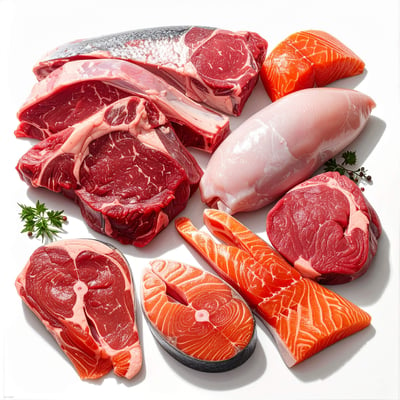
Raw meat displayed on a clean white background, showcasing its natural color and texture.

Meat, Fish & Mixed Products

Fresh, processed and heat‑treated matrices. Species identification, allergen detection, fraud and undeclared ingredient verification.

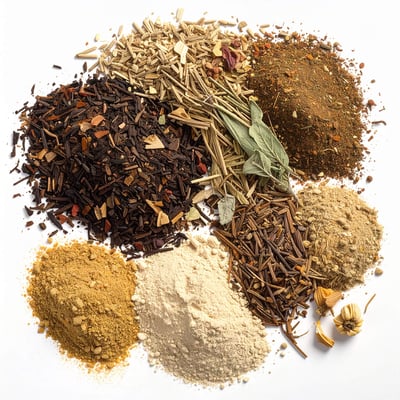
A collection of various spices and herbs arranged on a white background, showcasing vibrant colors and textures of botanicals.

Botanicals, Herbs & Spices

Dried herbs, spice blends, botanicals, plant‑based ingredients. Allergen screening, species ID, GMO screening.

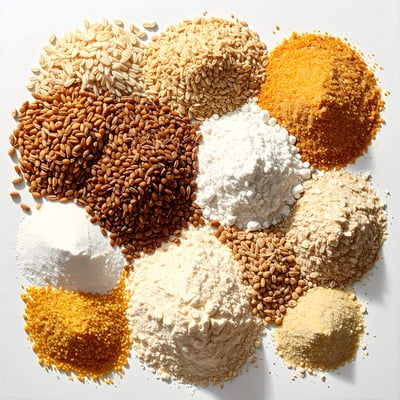
A top view of various loose grains and seeds scattered on a white surface, showcasing their diverse textures and colors.

Cereal‑Based Products

Flours, bakery goods, cereals, infant porridges. Allergens (gluten), plant species, GMO events.

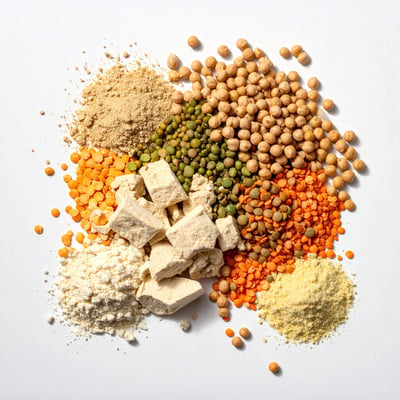
A colorful assortment of beans and plant-based ingredients, showcasing diverse sources of protein.

Plant‑Based & Alternative Proteins

Soy, pea, lupin, rice, fava bean flour, blends. Allergen detection, species ID, GMO screening, authenticity.

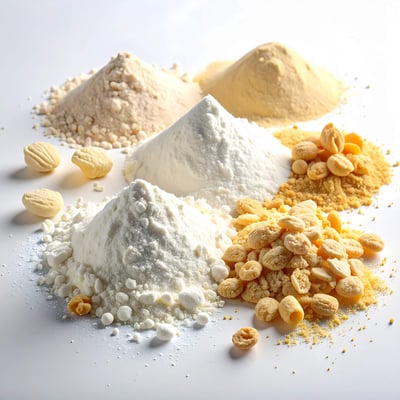
A variety of flours and ingredients, including infant formula flakes, displayed on a white surface.

Infant Foods & Clinical Nutrition

Infant formula, follow‑on formula, food for special medical purposes, total diet replacement for weight control, clinical nutrition. Allergens, vitamins, sugars, acids.

A plate filled with assorted pills and vitamins, representing various food supplements for health and wellness.

Food Supplements & Botanical Extracts

Capsules, powders, extracts, multi‑ingredient blends. Species ID, allergen screening, enzymatic compositional analysis.

Regulatory Framework

Bioanalytical methods provide the molecular and protein‑based evidence required under EU and UK food law. They support allergen declaration, species labelling, GMO compliance and compositional verification across a broad range of food and feed categories.

Our team advises on parameter selection, method suitability, labelling obligations and interpretation of molecular or protein‑based results – across EU, UK and international regulatory frameworks.

Regulation (EU) 1169/2011
Allergen declaration (Annex II) for all 14 regulated allergens; mandatory if present as ingredient or cross‑contact.

Regulation (EC) 1829/2003
GMO labelling including requirements for authorised and non‑authorised events.

National and Retail Specifications
Species identity verification for meat, fish and plant ingredients; detection of undeclared species.

Nutritional Labelling Requirements
Enzymatic determination of sugars and acids feeds directly into energy calculation and declaration accuracy.

Halal/Kosher Compliance Frameworks
PCR‑based detection of non‑permitted animal species or alcohol markers.

Related Analytics

A close-up of dried fruits displayed on a white background.

Additives

Sulphites >10 mg/kg SO₂ require allergen declaration under Regulation (EU) 1169/2011. Combining additive and allergen testing ensures full labelling compliance.

Learn More
Four petri dishes containing yellow liquid, arranged neatly on a flat surface.

Microbiology

PCR detection of Salmonella, Listeria and Campylobacter integrates with classical culture methods. Combined programs available.

Learn More