Skip to content

Process Monitoring

 Comprehensive analytical services for controlling microbiological risks, validating cleaning processes, and monitoring air quality as the basis for safe food production and regulatory compliance. 

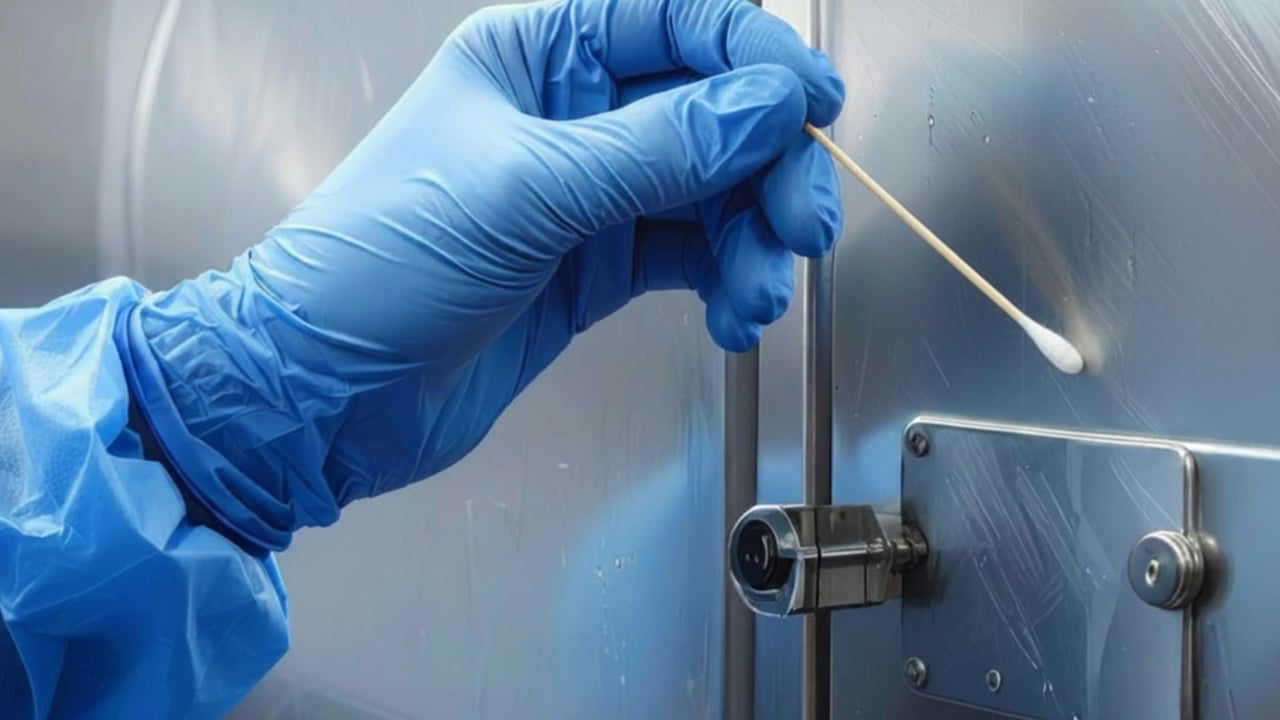
Gloved hand using a swab to collect a sample from a stainless steel surface in a clean environment.

Process Monitoring in Regulated Production

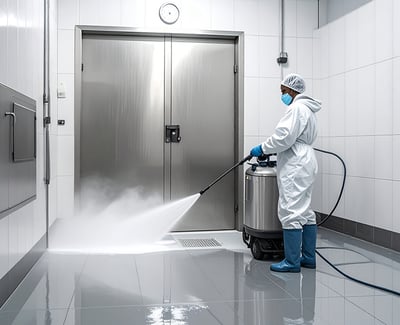
Worker in protective clothing cleaning and disinfecting a food processing facility using a high-pressure sprayer.

Microbiological monitoring of production environments is a key component of food safety according to Regulation (EC) No. 852/2004 and forms the basis for effective HACCP plans. Ifp Labs actively supports you in implementing these plans through accredited analytical testing, standard-compliant sampling procedures (e.g., in accordance with ISO 18593), and expert evaluation.

Particularly in the processing of animal products, such as meat and milk, and in allergen-relevant production processes, systematic environmental monitoring enables the early identification of contamination risks. It supports compliance with labelling requirements in accordance with the Regulation (EU) No. 1169/2011.

Comprehensive Testing Approach in the Environmental Sector

Targeted analyses of surfaces, air, and process environments conducted by ifplabs follow a risk-based, process-oriented approach and enable the assessment of microbiological or allergic risks.

Pathogen Monitoring

Systematic testing for and microbial identification of Listeria spp., Salmonella, and other relevant pathogens on surfaces and in the production environment. Testing is conducted on a risk-based approach within the framework of HACCP and supports the early detection of critical sources of contamination as well as robust process control.

Cleaning Validation

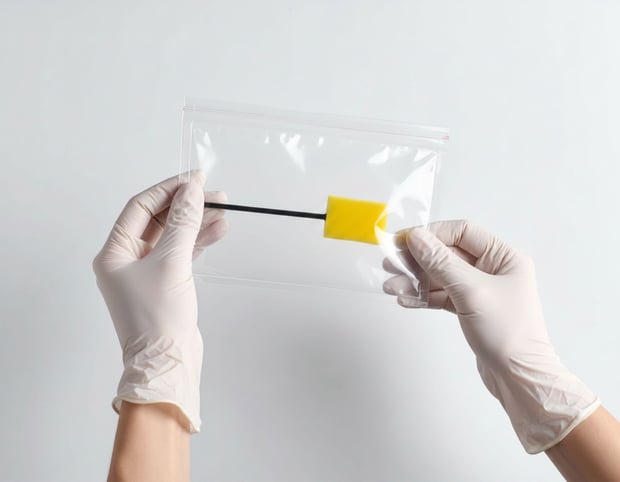
Microbiological and allergen-related analyses to verify the effectiveness of cleaning and disinfection processes. Structured sampling ensures that residues and spoilage organisms are removed and that production lines can be safely used for subsequent batches.

Airborne Microbial Count Determination

Assessment of microbial contamination in the production air using active and passive sampling. The results enable an evaluation of hygienic conditions, support IFS-compliant measures, and help to minimize airborne contamination risks, such as spores and spore formers, in sensitive areas.

Allergen Monitoring

Targeted testing for allergen residues on surfaces, equipment, and in the production environment to verify the effectiveness of allergen control measures. Sampling is conducted risk-based in alignment with HACCP and supports the prevention of cross-contact, ensures compliance with labelling requirements, and enables reliable validation of cleaning processes between product changeovers.

Tested Matrices Along the Supply Chain

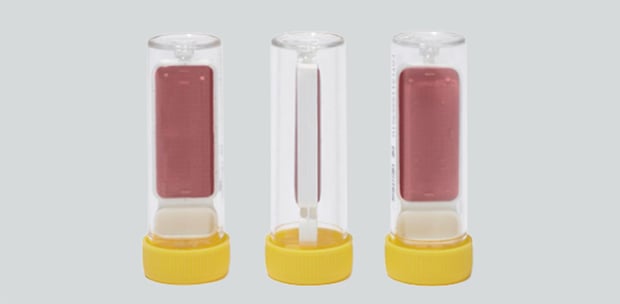
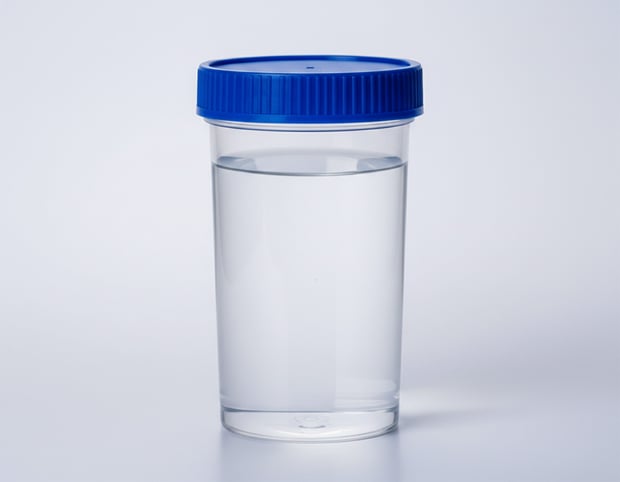
The selection of appropriate sampling techniques is crucial for valid results and reliable risk assessment in production.

Frequently Asked Questions

Common questions from operators of regulated food and pharmaceutical production environments.

We work with regulated food and pharmaceutical production environments, including processing areas, packaging zones, high-care and high-risk areas, wet processing environments, and classified cleanroom environments.

A robust program combines surface swabbing, air monitoring, and targeted pathogen testing (e.g. Listeria spp., Salmonella). Sampling plans are risk-based and focus on critical zones to detect contamination early and verify hygiene performance over time.

Air monitoring identifies airborne microorganisms such as molds and spores that can contaminate products, especially in sensitive areas. The results support hygiene assessments and help optimize air handling and sanitation measures.

Allergen monitoring detects residues on surfaces and equipment to prevent cross-contact between products. This is essential to ensure correct labelling, protect consumers, and comply with regulatory and customer requirements.

A structured swabbing programme is based on risk assessment and site mapping. It defines sampling points by zone (product-contact, near-product, environmental), frequency, target organisms and acceptance criteria – aligned with applicable food safety or pharmaceutical standards.

Related Industries

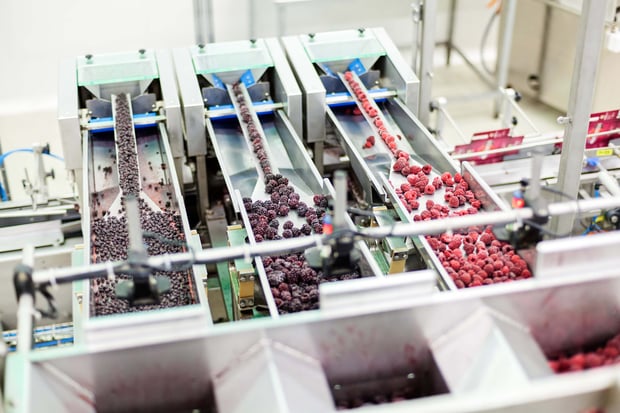
Frozen raspberries are processed on an industrial production line.

Food & Beverages

Regulated food and beverage production environments with defined responsibilities for safety, quality and compliance across the supply chain.

Explore
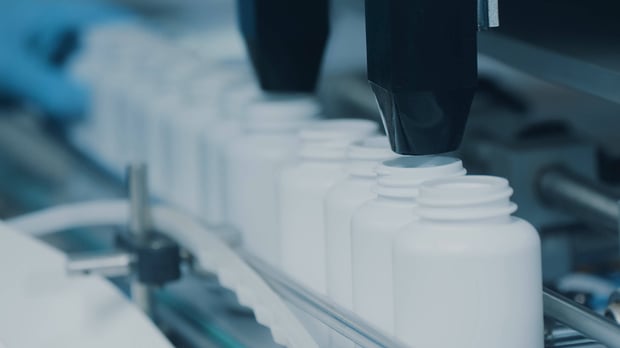
White plastic tubes move along a production line as capsules are filled into them in a modern pharmaceutical factory.

Pharmaceuticals

Highly regulated pharmaceutical manufacturing environments with strict quality, hygiene and documentation requirements across the product lifecycle.

Explore