
Skip to content

Anion & Cation Analysis

Ion chromatographic determination of inorganic anions and cationic species for regulatory water analysis, food safety testing and industrial process control.

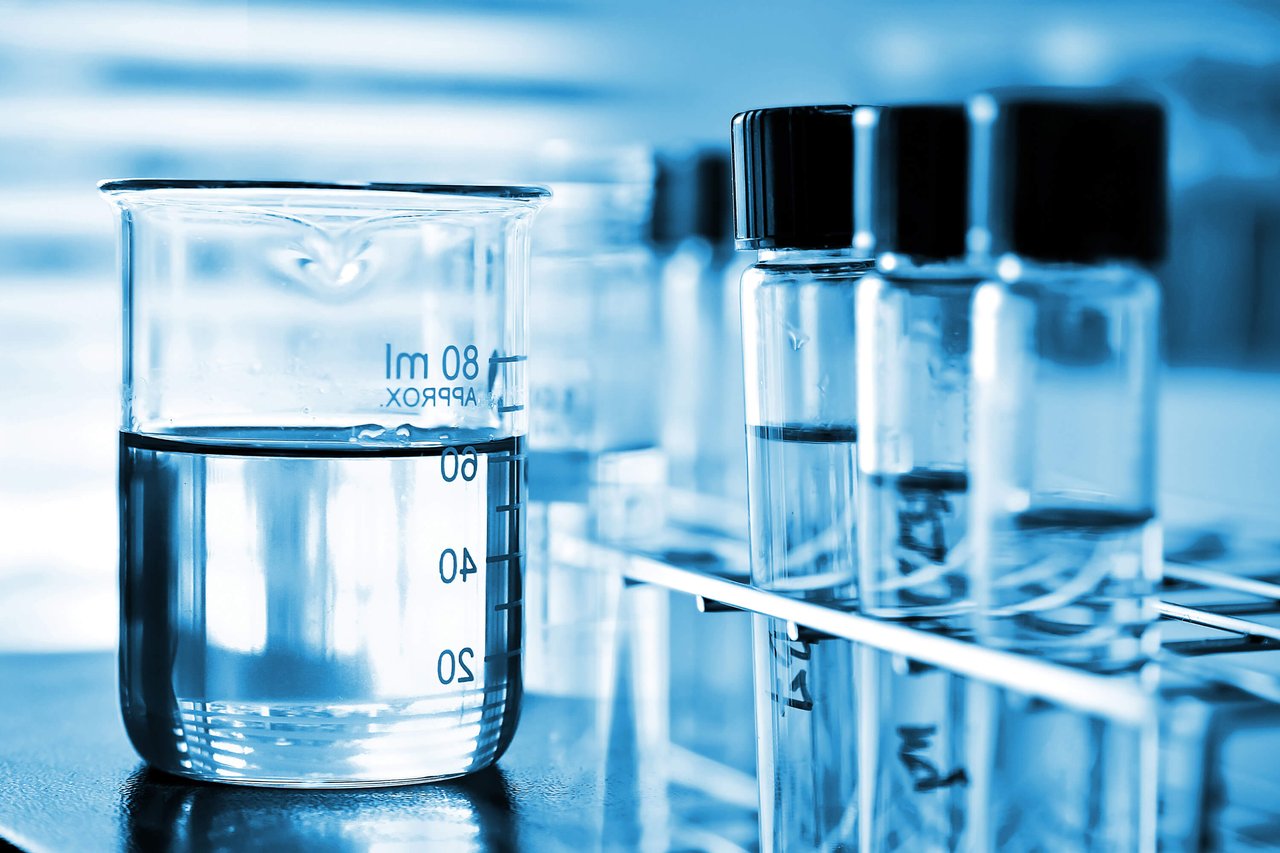
Beaker containing chemical liquid with sample vials in a laboratory.

From Drinking Water Compliance to Food Process Control –
Anions & Cations by Ion Chromatography

Abstract chromatogram visualization with blue and green peaks resembling a mountain landscape.

Ion chromatography enables the simultaneous determination of inorganic anions and cations in a single run. The method supports drinking water compliance, food contaminant testing and process water monitoring under ISO/ IEC 17025.

Regulatory focus includes chlorate, chlorite, bromate and nitrate formed during water treatment and transferred into food via processing water.

Parameter Portfolio

Inorganic anions and cations grouped by application context, covering drinking water compliance, and process water chemistry.

Anion Panel

Core anionic species for routine drinking water assessment and food‑related ion analysis. All parameters are determined simultaneously in a single IC run using suppressed conductivity detection.

Methods: Ion Chromatography (anion exchange, suppressed conductivity)

Common analytes: Fluoride (Fˉ), chloride (Clˉ), bromide (Brˉ), nitrate (NO₃ˉ), nitrite (NO₂ˉ), sulphate (SO₄²ˉ), phosphate (PO₄³ˉ)

Disinfection By‑Products

Ionic by‑products formed during drinking water disinfection with chlorine dioxide or ozone. These species can transfer into food via processing water and washing steps and are an increasing regulatory focus.

Methods: Ion Chromatography, LC‑MS/MS (trace‑level, food matrices)

Reported parameters: Chlorate (ClO3ˉ), chlorite (ClO₂ˉ), bromate (BrO₃ˉ), perchlorate (ClO₄ˉ)

Cation Panel

Cationic species determined by suppressed cation exchange ion chromatography. Primarily used for water characterisation and process control, complementing elemental ICP‑MS analysis with ionic‑form specificity.

Methods: Ion Chromatography (cation exchange, suppressed conductivity)

Reported parameters: Sodium (Na+), potassium (K+), calcium (Ca²+), magnesium (Mg²+), ammonium (NH₄+)

Analytical Methods

Ion chromatography is the core analytical platform for anion and cation determination.
Core Method

Ion Chromatography – Anion Exchange (Suppressed)

Simultaneous determination of inorganic anions using suppressed conductivity detection. Enables multi‑ion analysis from a single injection with high reproducibility.

Suitable for: Fluoride (Fˉ), chloride (Clˉ), bromide (Brˉ), nitrate (NO₃ˉ), nitrite (NO₂ˉ), sulphate (SO₄²ˉ), phosphate (PO₄³ˉ)

Cation Analysis

Ion Chromatography – Cation Exchange (Suppressed)

Cationic species determined by suppressed cation exchange chromatography. Complements elemental analysis with ionic‑form specificity.

Suitable for: Sodium (Na+), potassium (K+), calcium (Ca²+), magnesium (Mg²+), ammonium (NH₄+)

Regulatory Focus

IC – Disinfection By‑Products Panel

Optimised ion chromatography for oxyhalides formed during water disinfection. Methods aligned with regulatory drinking water requirements.

Suitable for: Chlorate (ClO₃ˉ), chlorite (ClO₂ˉ), bromate (BrO₃ˉ)

Analytical Interpretation

Anion and cation analysis supports regulatory compliance, food safety assessment and process water control across drinking water.
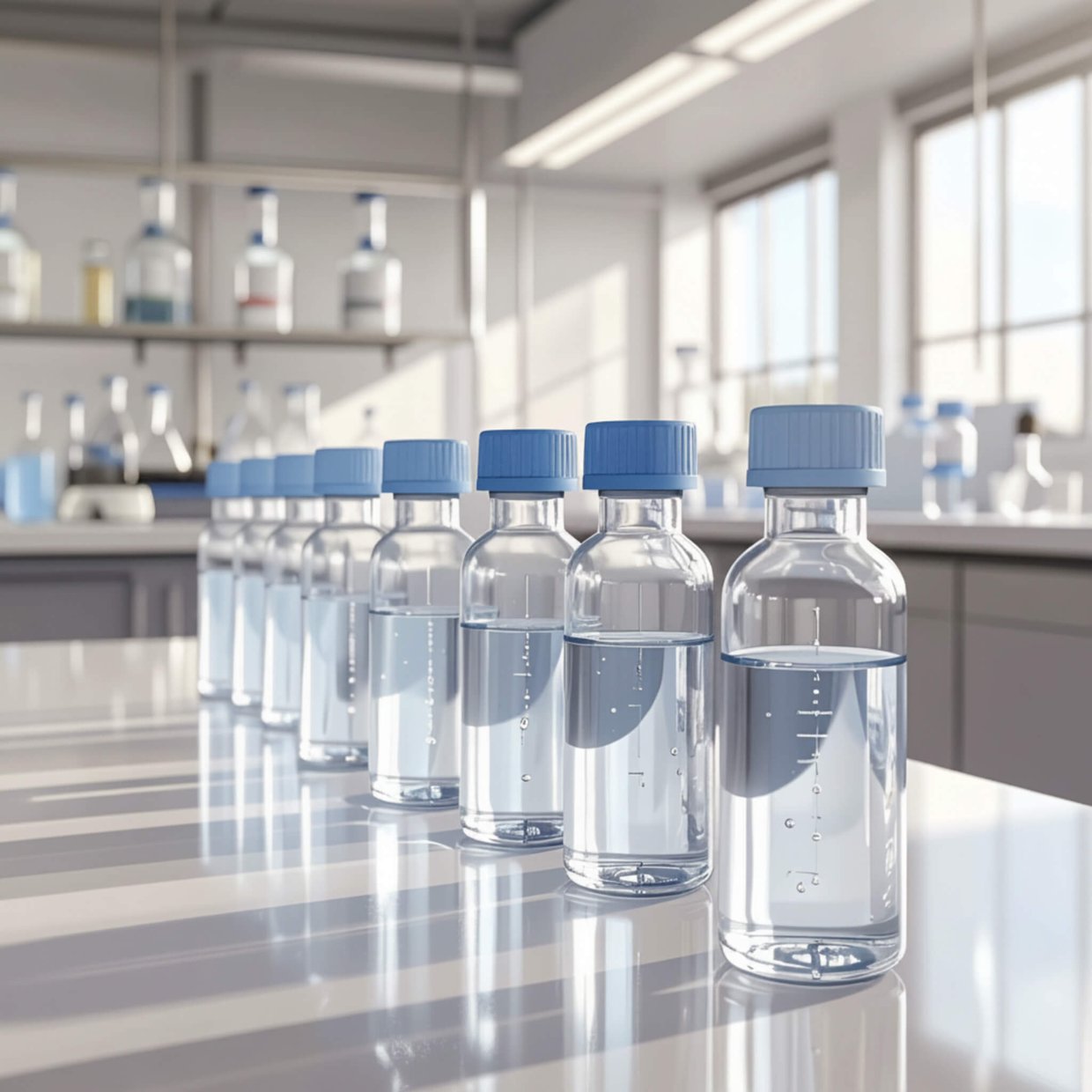
Water sample bottles arranged on a laboratory workbench.

Drinking Water Compliance

Assessment of inorganic anions and cations according to German TrinkwV. Supports complete drinking water compliance when combined with heavy metals and physico‑chemical parameters.

Typical applications: Drinking water compliance testing, mineral water analysis, regulatory monitoring, combined water compliance packages

Scientist wearing gloves documenting laboratory results on a clipboard.

Disinfection By‑Product Monitoring

Monitoring of ionic disinfection by‑products formed during water treatment. Supports optimisation of ClO₂ dosing and identification of chlorate entry into food via processing water.

Typical applications: Drinking water monitoring, process water control, food production water assessment, hygiene validation

Vertical CNC steel milling with water coolant streams and splashes.

Process Water Quality

Monitoring of ionic composition in production and cleaning waters. Supports detection of cleaning agent residues and corrosion‑relevant ions in industrial environments.

Typical applications: Process water monitoring, CIP rinse water, boiler feed water, cooling water, food and beverage production

Glass bottles of water arranged on a light blue background.

Mineral Water Characterisation

Evaluation of complete ionic profiles for mineral water classification, labelling and nutrition‑related claims.

Typical applications: Mineral water labelling, low‑sodium claims, calcium‑rich claims, suitability for infant food preparation

Illustration Law

Regulatory Framework

Ionic parameters are regulated across drinking water, food safety and process water applications. The same ion chromatographic result applies – regulatory limits and interpretation depend on the matrix and legislative context.

UK market: EU‑derived requirements for ionic species apply under UK retained EU law, with assessment against the applicable UK legislation.

Related Analytics

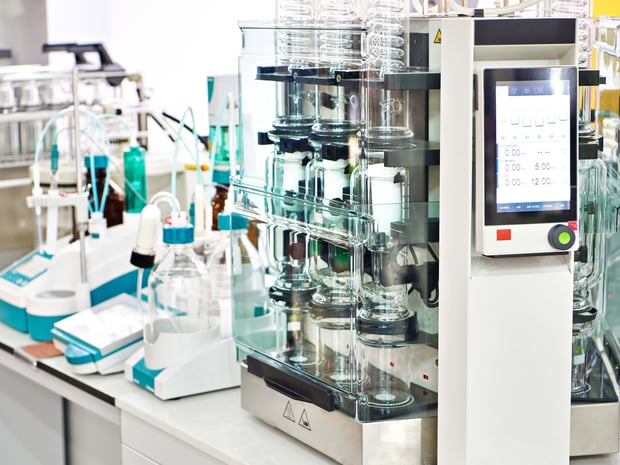
Automatic chemical fat extractor in a laboratory.

Chemical Contaminants

Chlorate and perchlorate are also regulated as process contaminants. Integrated testing programmes combine ionic parameters with acrylamide, 3‑MCPD, PFAS and other process‑related contaminants for comprehensive food safety assessment.

Learn More
Escherichia coli bacterial cultures on a white background.

Legionella Testing

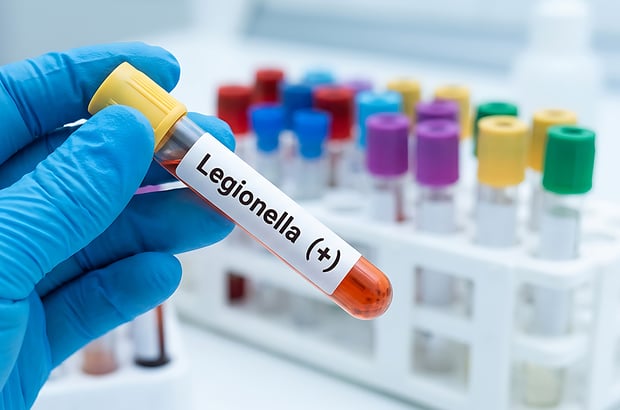
Ion chromatography complements microbiological water testing. Legionella analysis is a key regulatory parameter for potable and process water monitoring under TrinkwV and 42. BImSchV.

Learn More