
Skip to content

Sensory Analysis

Descriptive profiling, difference testing and sensory shelf‑life evaluation – performed by trained panels under ISO 13299, ISO 4120 and DIN 10964.

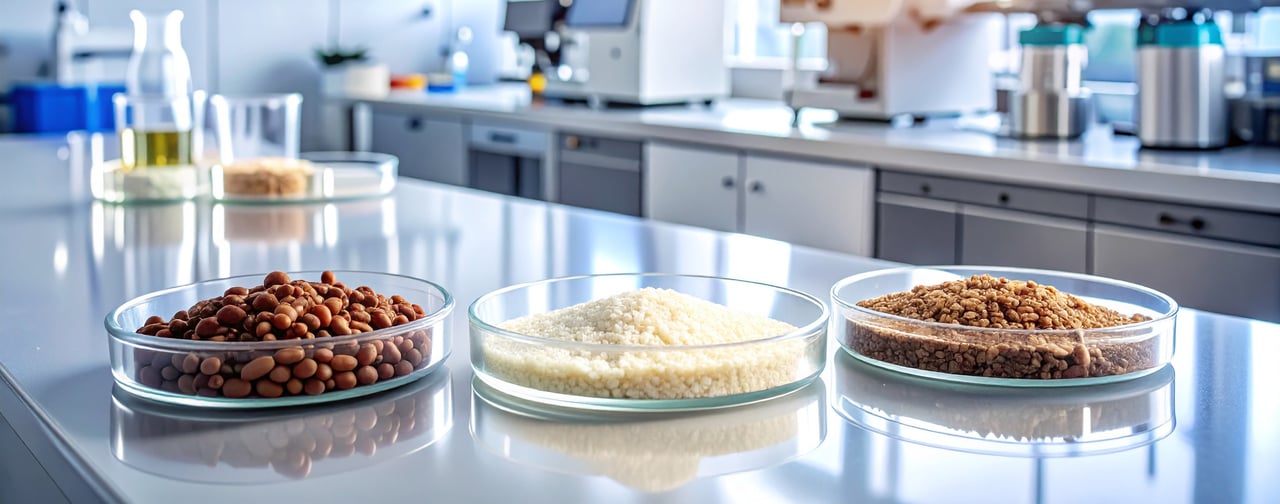
Glass containers with various food samples on a laboratory table during sensory evaluation.

Objective Sensory Evaluation –
Where Human Perception Meets Analytical Rigour

Food safety inspector smelling a sample in a laboratory.

Sensory analysis captures appearance, odor, taste, texture and mouthfeel as perceived by trained assessors. It supports product development, quality control, complaint investigation and shelf‑life determination. Analytical sensory testing is performed by selected, trained and calibrated panels working to defined reference standards. Results are reproducible and statistically evaluated – measured sensory data, not opinions.

ifplabs operates a purpose-built sensory laboratory with individual booths, controlled lighting and standardized sample preparation. Our panel undergoes continuous training and performance monitoring in accordance with ISO 8586.

Parameter Portfolio

Three complementary test categories – each addressing different questions about your product‘s sensory characteristics.

Discrimination Tests

Determine whether a perceptible difference exists between two or more products. Used to validate recipe changes, formulation adjustments and packaging or process modifications.

Methods: Triangle Test (ASU L 00.90‑7 / ISO 4120), Duo‑Trio Test (ISO 10399), Paired Comparison (ISO 5495), Ranking Test (ASU L 00.90‑4 / ISO 8587).

Common sensory attributes: Overall difference, flavour changes, off‑notes, sweetness differences, texture firmness, crispness, colour shifts, aroma intensity.

Descriptive Analysis

Produces a detailed sensory profile describing the type and intensity of each perceived attribute. Supports product development, competitive benchmarking and quality specification.

Methods: Quantitative Descriptive Analysis (ISO 13299), Simple Descriptive Test (DIN 10964), Consensus Profiling, Conventional Profiling, DLG‑Style Product Evaluation.

Common sensory attributes: appearance (colour, gloss), odour (freshness, aromatic notes), flavour (sweet, sour, salty, bitter, umami), off‑flavours, texture (firmness, viscosity, mouthfeel), aftertaste.

Shelf‑Life Evaluation

Monitors sensory changes over defined storage periods to identify freshness loss and the onset of perceptible deterioration before consumer‑relevant thresholds are reached.

Approaches: Accelerated storage studies, real‑time monitoring, threshold‑based endpoint determination, combined sensory–chemical marker tracking.

Common sensory attributes: Oxidation notes, rancidity, staleness, colour fading, texture softening, moisture loss, aroma reduction, off‑flavours developing over.

ASU‑Compliant Sensory Testing

Standardised sensory examinations according to ASU L 00.90 for legally robust and reproducible assessments across all food categories.

Methods: ASU L 00.90‑4 (Ranking), ASU L 00.90‑6 (Descriptive Testing), ASU L 00.90‑7 (Triangle Test).

Common sensory attributes: Legal‑relevant deviations in colour, odour, taste and texture; compliance with declared product standards; detection of atypical or faulty notes

Analytical Methods

Method selection is determined by objective, product type and required sensitivity.
Complementary sensory approaches ensure a comprehensive understanding of product characteristics.
Discrimination

Triangle Test (ISO 4120)

Forced‑choice test to determine whether a perceptible difference exists between two products. Three coded samples (two identical, one different) are presented; significance is evaluated statistically.

Descriptive

Quantitative Descriptive Analysis (QDA)

Trained assessors rate predefined sensory attributes on intensity scales, generating reproducible profiles and enabling statistical comparison.

Shelf-Life

Shelf‑Life Sensory Monitoring

Structured time‑point assessments to detect sensory changes during storage and determine when products reach perceptible deterioration thresholds.

ASU‑Compliant

ASU L 00.90 Sensory Testing

Standardised procedures for legally robust descriptive, ranking and difference assessments across food categories.

Sensory Shelf‑Life Studies

Sensory shelf‑life studies evaluate how product attributes evolve under defined storage conditions.
They detect sensory changes that chemical or microbiological tests alone may not reveal.
Our structured approach supports reliable best‑before determination and stability claims.

1. Study Design

Definition of storage conditions, sampling intervals, sensory attributes and acceptance thresholds. Alignment with product type, target shelf life and regulatory context.

2. Baseline Profiling

Full descriptive profile of the fresh product (t₀) as the reference for all subsequent evaluations.

3. Interval Testing

Sensory assessments at scheduled time points under real‑time or accelerated conditions. Application of discrimination and/or descriptive methods depending on study design.

4. Data Evaluation & Reporting

Statistical analysis of attribute changes over time. Identification of the point at which quality falls below defined acceptance criteria. Final report with best‑before recommendation.

Sensory Categories

Category‑specific sensory expertise ensuring accurate, matrix‑appropriate assessments across food and beverage products.
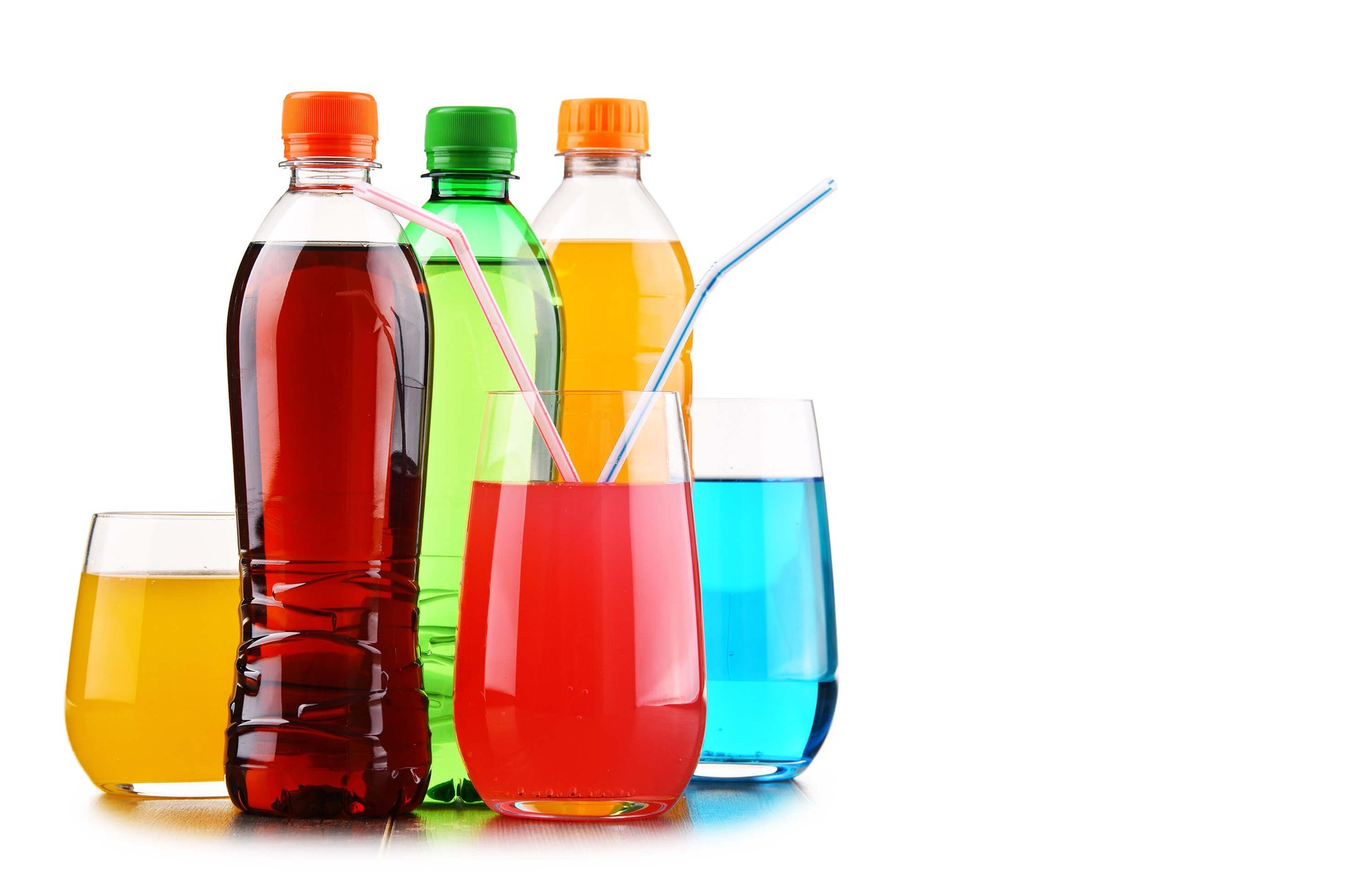
Glasses and bottles of assorted carbonated soft drinks.

Beverages

Covers still and carbonated drinks with focus on clarity, aroma release, carbonation, flavour balance and off‑notes under controlled serving conditions.

Typical applications: Water, juices, soft drinks, functional beverages.

Dairy products such as milk and cheese on a wooden table.

Dairy & Dairy Alternatives

Assessment of freshness, acidity, fermentation notes, fat‑dependent flavour and mouthfeel, including plant‑based texture behaviour.

Typical applications: Milk, yoghurt, cheese, cream, butter, ice cream, plant‑based dairy.

Top view of assorted baked goods on a dark surface.

Bakery & Cereals

Focus on texture (crispness, crumb structure), sweetness, aroma release and staling behaviour across storage.

Typical applications: Bread, pastry, biscuits, cereals, snack bars, flour‑based products.

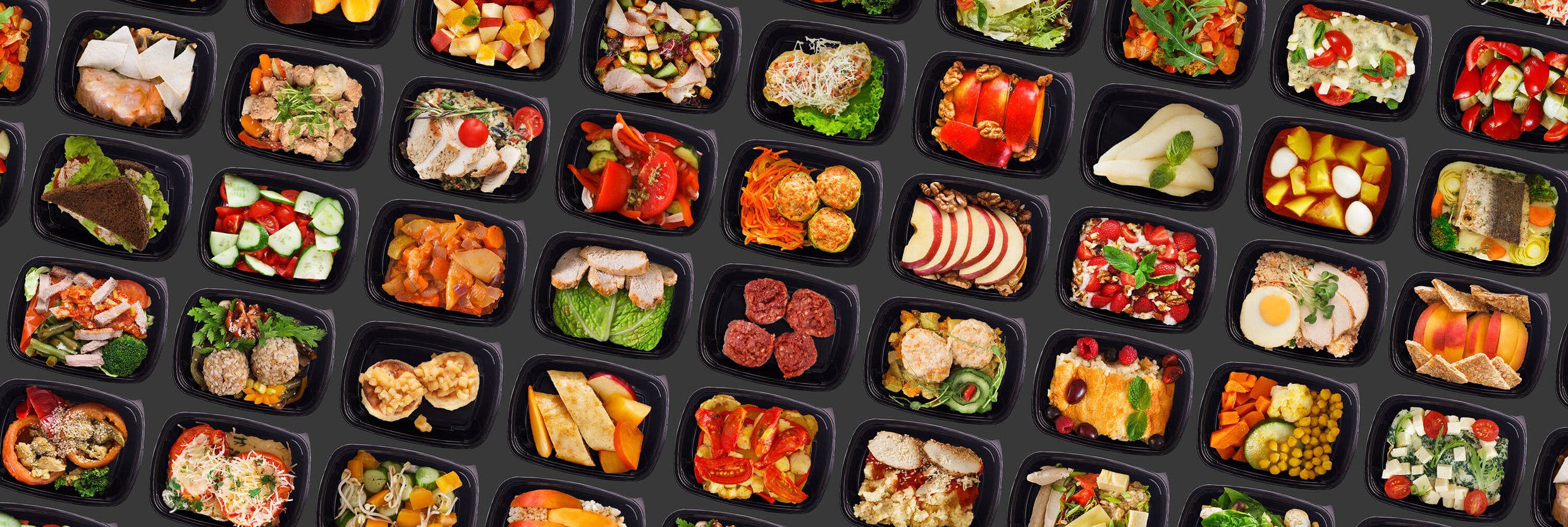
Take-away lunch boxes filled with prepared healthy meals on a black background.

Meat, Fish & Convenience

Evaluation of appearance, aroma development, juiciness, texture integrity and preparation‑related flavour changes.

Typical applications: Meat, fish, ready meals, canned and frozen products.

Standards & Norms

All sensory testing follows recognized international and national standards. Method selection and panel management conform to the applicable ISO and DIN requirements.

ISO 13299:2016
General guidance for establishing a sensory profile – applicable to all descriptive methods including QDA, conventional profiling and consensus approaches.

ISO 10399:2022
Duo-trio test – alternative discrimination method where a reference sample is provided and the panelist identifies the matching sample from two coded alternatives.

ISO 8586:2023
Selection, training and monitoring of selected assessors and expert sensory assessors – the standard governing panel qualification and performance.

ISO 4120:2021
Triangle test methodology – forced-choice procedure for determining whether a perceptible sensory difference or similarity exists between two products.

ISO 5495:2005
Paired comparison test – determines whether a directional difference exists between two samples for a specified sensory attribute (e.g. sweetness, bitterness).

DIN 10964
Simple descriptive test – German standard for qualitative sensory description of appearance, odour, taste and texture using defined or freely chosen descriptors.

Related Analytics

Petri dish with mold, fungal cultures, and bacterial samples in a microbiological laboratory.

Microbiology

Combine sensory and microbiological monitoring in shelf-life studies to identify the limiting factor – organoleptic deterioration or microbial growth.

Learn More
A person smelling food samples in a glass jar during a sensory evaluation.

Contaminants & Residues

Investigate sensory off‑flavours and off‑odours and correlate findings with chemical markers such as oxidation products, volatiles or MOSH/MOAH.

Learn More