
Skip to content

Water

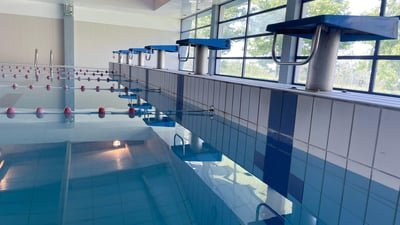
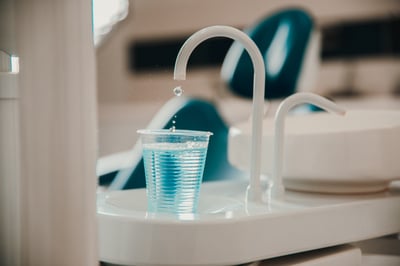
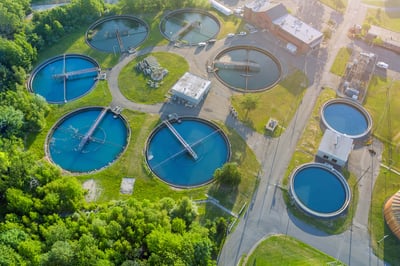
We cover a vast array of water systems, from drinking water to cooling water, swimming pool water, dental water, and wastewater. We provide standard-compliant testing and legally reliable evaluation to ensure compliance with hygiene and regulatory requirements.


Close-up of flowing fountain water with splashing droplets.

Water Testing to Ensure Compliance, Safety and Risk Control in Complex Water Systems

Technician holding a glass of water in an industrial water system environment.

Water testing involves the analytical evaluation of microbiological and chemical parameters in various water systems and serves to ensure compliance with hygienic, legal and technical requirements. Therefore, rigorous water monitoring enables risks such as Legionella growth, heavy metal contamination, or biofilm-associated contamination to be detected and controlled at an early stage. We perform standard-compliant sampling as well as accredited analyses and support operators in enforcing relevant regulations, including i.a., TrinkwV, 42. BlmSchV, DIN EN ISO 19643.

Our services are aimed at the housing sector, industry, public institutions, and service providers with complex water systems. The results provide a solid basis for hygienic assessments, risk analyses, and legally secure decisions.


Key Challenges in Water Management

We help you comply with legal requirements and ensure sustainable water quality
across various relevant water systems.

Ensuring Compliance with Legal & Regulatory Requirements

We test water samples, and provide reliable analytical data on microbiological and chemical parameters so that you can demonstrably fulfil your operator obligations and meet regulatory requirements.
 

Implementing Measures Based on Test Results

Elevated test results, such as for Legionella or heavy metals, are professionally assessed. We assist with evaluation, prioritization, and the development of concrete measures.


Planning Recurring Testing Requirements

In consultation with you, we systematically structure your testing intervals, considering property-specific risks and legal deadlines, and ensure through scheduled sampling and analysis that recurring tests are performed on time and that documentation requirements are consistently met.


Stakeholder Management & Information

Our prepared analysis reports support clear communication with users, owners, and customers. Understandable assessments and recommendations for action facilitate transparency, enable non-specialists to better understand proposed measures, and improve internal and external coordination regarding water hygiene issues. 

Timely Reporting to Regulatory Authorities

We provide structured, verifiable analytical data and support timely reporting to regulatory authorities, including future requirements such as SHAPTH from January 1, 2027, so that you can fulfil your reporting obligations completely, on time, and in a comprehensible manner.

Keeping an Eye on New Regulations & Limit Values

We continuously monitor regulatory developments, such as the new limit value for lead from January 12, 2028, and adapt our analytical methods, evaluation criteria, and monitoring strategies early on. Thus, we can keep you up to date to the latest developments in the field, minimize risks and remain compliant in the long term.


Tested Matrices Along the Supply Chain

Our analytical services are tailored to specific systems and consider the unique requirements
of each water type as well as the relevant regulatory framework.

Frequently Asked Questions

Common questions about our water testing services.

A systematic examination is required for large-scale drinking water heating systems. These are defined as systems with a storage volume of more than 400 litres, and/or a volume of more than 3 litres between the water heater outlet and the furthest tap. Facilities with decentralised water heating (e.g. instantaneous water heaters) or small systems may also be subject to regular testing if instructed by the authorities, for example if they supply water to the public.

The intervals at which systematic examinations must be conducted are governed by the provisions of the TrinkwV (Drinking Water Ordinance). Buildings used for commercial purposes (e.g. residential properties) generally require sampling every three years, provided no positive findings have been recorded. Drinking water heating systems that supply water to the public, such as care homes, nurseries and sports facilities, must be sampled at least annually.

We understand that the release of construction projects and other approvals sometimes depends on laboratory results, and that time is critical. We can carry out sampling, laboratory analysis and the preparation of test reports for a wide range of standard chemical and microbiological parameters within one week. We can provide a quote once you have informed us of the parameters to be tested.

This depends on the purpose of the analysis. If there is a legal basis for testing the water (e.g. the 42nd BImSchV or TrinkwV), these regulations or the requirements of the relevant authorities (e.g. the responsible public health office) strictly govern the parameters to be tested. If a water analysis is to be carried out for internal monitoring purposes, it is usually advisable to select a range of chemical and microbiological parameters. Please feel free to describe your specific situation, and we will be happy to advise you accordingly.

Related Industry Contexts

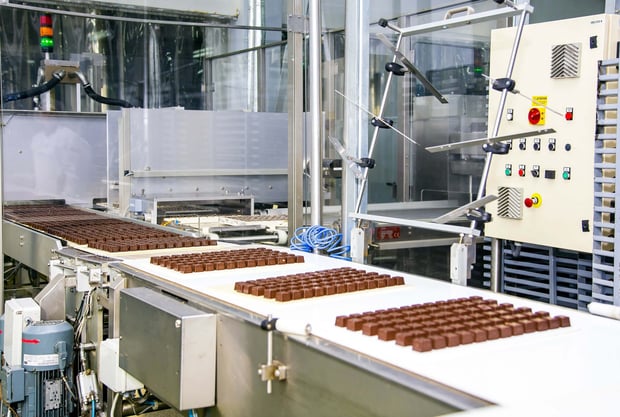
Sweets move along a conveyor belt during the production process in a factory.

Food & Beverages

Regulated food and beverage production environments with defined safety, quality and compliance responsibilities across the supply chain.

Explore
A sterile laboratory room is equipped with workstations, analytical instruments, and processing equipment.

Pharmaceuticals

Highly regulated pharmaceutical environments with strict quality, hygiene and documentation requirements for manufacturing and controlled spaces.

Explore