Skip to content

Fat-Soluble Vitamin Analysis

Quantitative determination of vitamins A (retinol, β carotene), D₃, E (α tocopherol incl. enantiomer separation) and K (K₁, K₂ MK 4/MK 7) by HPLC-FLD, HPLC-DAD and LC-MS/MS under ISO/IEC 17025 accreditation.

Oil is being dispensed with a pipette into a clear glass, highlighting the smooth flow of the liquid.

Vitamins A, D, E & K –
Chromatographic Quantification in Complex Lipid Matrices

A collection of oil droplets displayed on a clean white background, highlighting their shiny texture.

Fat soluble vitamins are transported in lipids and stored in adipose tissue, which makes their extraction and quantification analytically challenging. 

ifplabs quantifies all fat soluble vitamins by HPLC with fluorescence, diode array and mass spectrometric detection. The workflow is matrix guided and compliant with regulatory requirements – from fortified foods to trace level in native lipid matrices.

Parameter Portfolio

Complete coverage of fat soluble vitamins with analytical methods and key matrices. LOQs are matrix dependent.

Vitamin A & Provitamin A

Fat soluble vitamins relevant for vision, immune function and nutritional fortification. Light sensitive and lipid bound, requiring controlled extraction and precise chromatographic detection.

Methods: HPLC-FLD, HPLC-DAD.

Common analytes: All trans Retinol, all trans β Carotene.

Vitamin D

Occurs at very low native concentrations and is sensitive to oxidation and light. Critical for fortified foods and infant formulas where accurate quantification is required.

Methods: HPLC-DAD, LC-MS/MS.

Common analytes: Cholecalciferol (D₃).

Vitamin E (Tocopherols)

Major lipid phase antioxidants found in oils and cereals. Differentiation of natural vs. synthetic forms is often required for supplement labelling.

Method: HPLC-FLD

Common analytes: α Tocopherol¹

¹ Enantiomer separation (RRR vs. all rac tocopherol) available for supplement compliance.

Vitamin K (Phylloquinone & Menaquinones)

Highly matrix dependent vitamin group occurring in vegetables and fermented foods. 

Methods: HPLC-FLD, LC-MS/MS.

Common analytes: Phylloquinone (K₁), MK 4, MK 7².

² MK 4/MK 7 differentiation by LC-MS/MS for K specific declarations.

Analytical Methods

Multi analyte screening is available where substance classes overlap.
Routine

HPLC-FLD

Fluorescence detection with high sensitivity for retinol, tocopherols and phylloquinone.

Preferred for fortified foods, oils and supplements where these vitamins occur at higher or supplemented levels.

Carotenoids

HPLC-DAD

Diode array detection with spectral confirmation.

Used for β carotene and related carotenoids with characteristic UV/Vis absorption, enabling both quantification and identity confirmation.

Trace Level

LC-MS/MS

Tandem mass spectrometry for unambiguous identification and low level quantification.

Analytical Interpretation

Key analytical considerations that influence how fat soluble vitamin results are evaluated and interpreted across different matrices.
A pile of fresh carrots and beets on a table, highlighting their rich vitamin A and beta-carotene content.

Vitamin A & β Carotene

Retinol and β carotene are key nutrients in fortified foods, dairy and infant formula. Testing verifies label claims, fortification levels and distinguishes preformed retinol from plant derived provitamin A.

Typical applications: Fortified foods, Fruit & vegetable products, Infant formula, Premixes/feed.

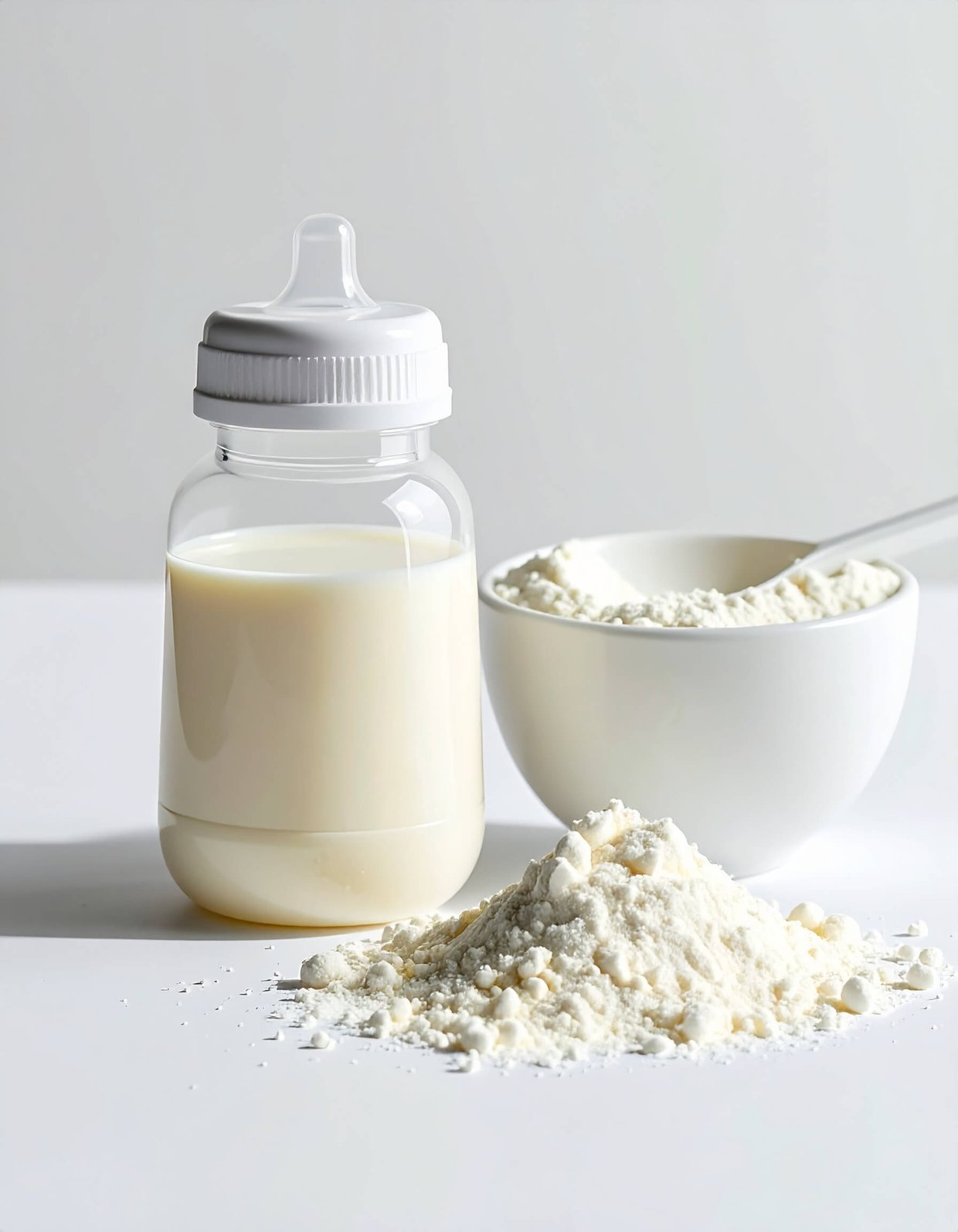
A baby bottle filled with milk stands next to a bowl of milk powder, with an additional pile of milk powder in front on a white surface.

Vitamin D₃ (Cholecalciferol)

Vitamin D₃ requires sensitive detection due to very low natural levels. Testing ensures accurate fortification control and compliance in dairy, plant based drinks and infant formula.

Typical applications: Fortified dairy & plant alternatives, Infant formula, Native trace level matrices.

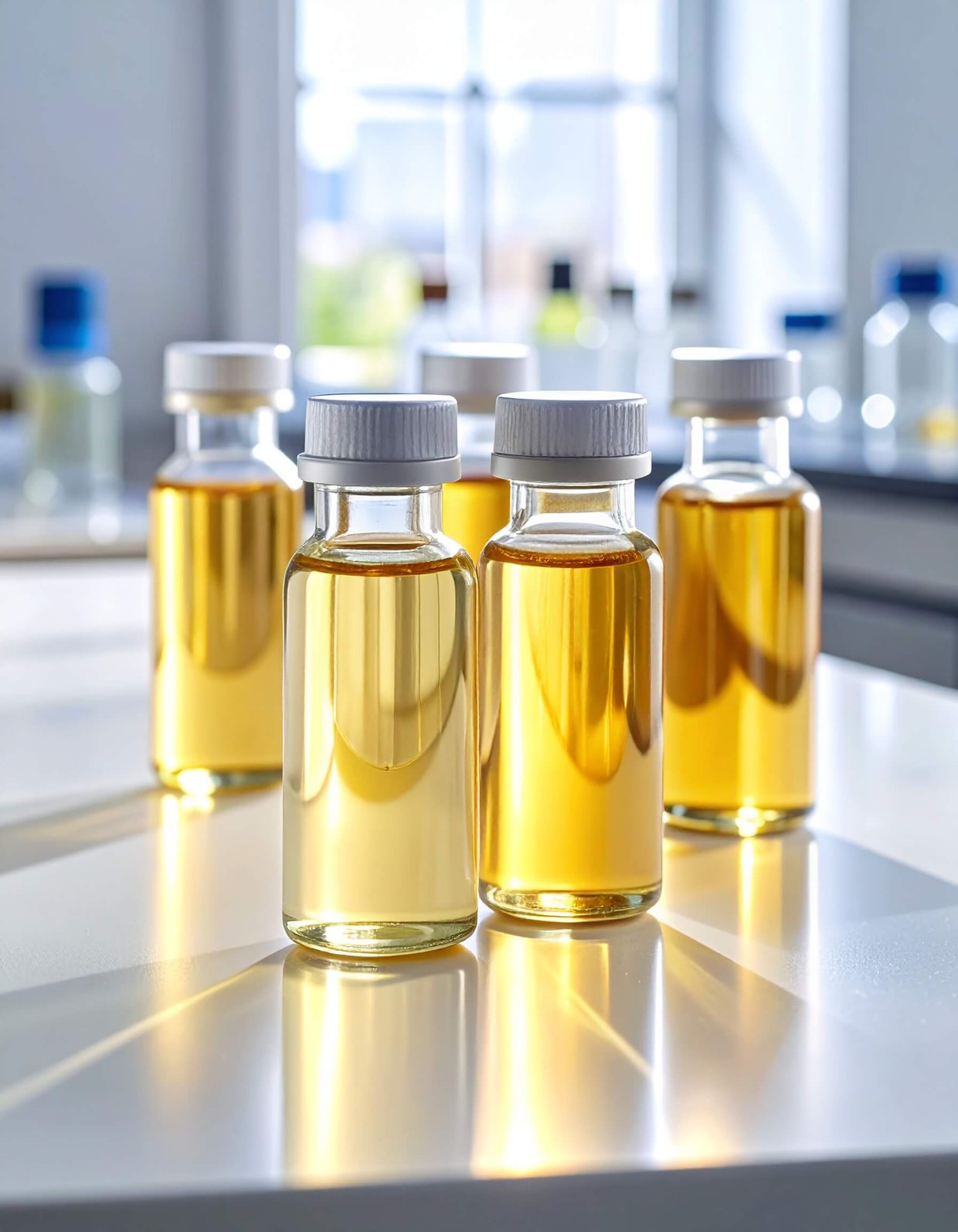
Multiple glass vials of liquid vitamin E oil displayed on a table.

Vitamin E (α Tocopherol)

α Tocopherol is the main lipid phase antioxidant in oils, cereals and supplements. Testing verifies label claims and, when needed, differentiates natural from synthetic forms.

Typical applications: Oils & cereals, Supplements (natural vs. synthetic), Feed premixes.

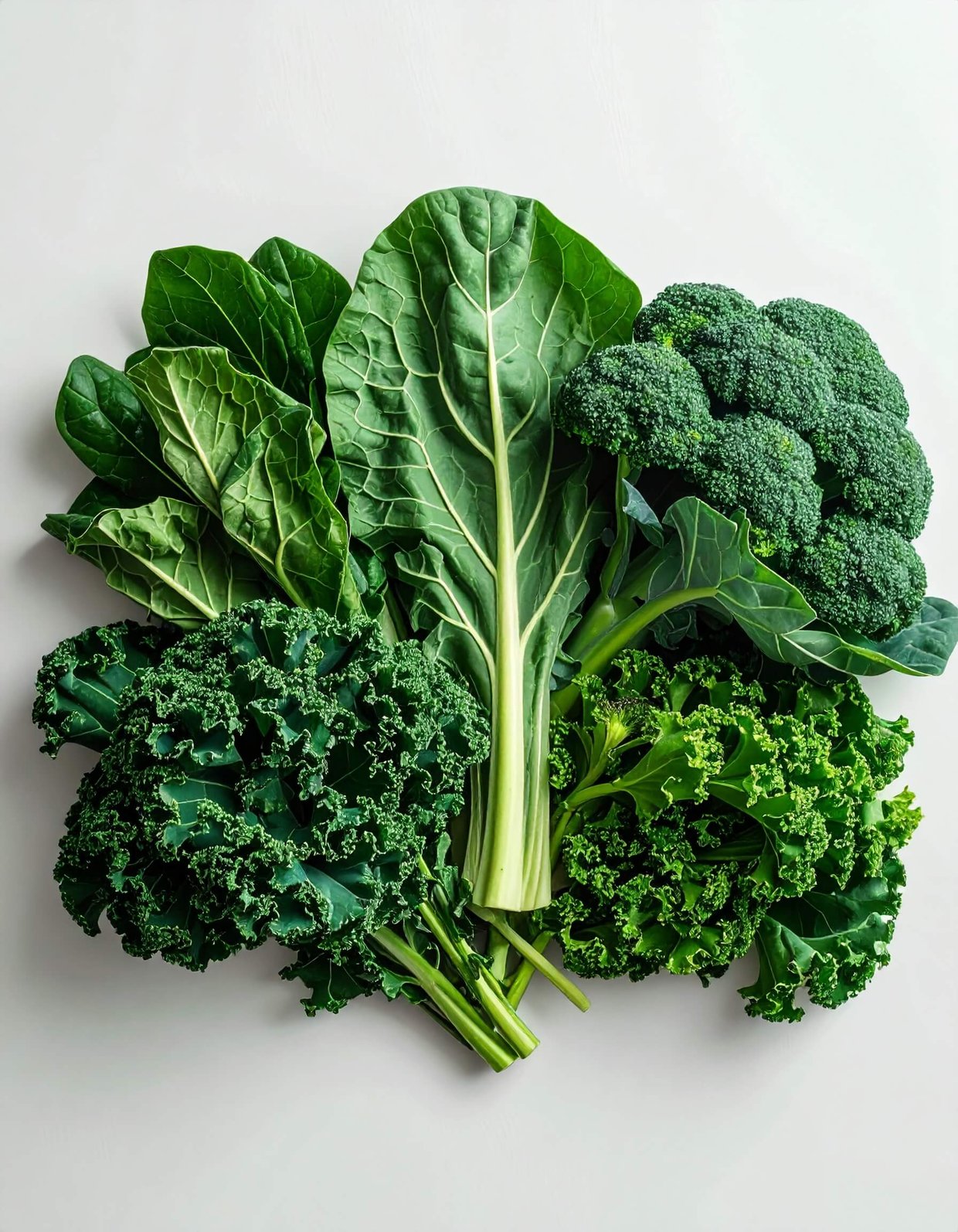
An assortment of green vegetables displayed on a white background, highlighting their natural freshness and texture.

Vitamin K (K₁, MK 4, MK 7)

Vitamin K occurs as K₁ in plant matrices and as MK forms in fermented foods and supplements. Testing verifies declared levels and differentiates MK 4/MK 7 for labelling accuracy.

Typical applications: Vegetables & oils, Supplements, Fortified foods, Fermented foods/feed.

Related Analytics

A white plate featuring an assortment of citrus fruits and seeds, highlighting their vitamin C content.

Water-Soluble Vitamin Analysis

Vitamin C and all eight B-vitamins by VitaFast® microbiological assay and HPLC/LC-MS/MS. Combine with fat-soluble testing for complete vitamin profiling.

Learn More
Several test tubes placed on a tray in a laboratory setting, showcasing a scientific environment.

Elements & Ions

ICP-MS determination of calcium, phosphorus, magnesium and trace elements – relevant in combination with vitamin D analysis for bone-health product claims.

Learn More