
Skip to content

Mineral Analysis

Sodium, potassium, calcium, magnesium and phosphorus quantified for nutritional labelling, fortification verification and dietary supplement compliance.

Assorted mineral-rich foods including fish, nuts, seeds, leafy greens, milk, blueberries, and citrus.

Macro Minerals – Essential Nutrients, Mandatory Declarations

Almonds with nutrition facts as an ingredient for a ketogenic diet.

Macro minerals are essential nutrients subject to regulatory declaration. Analysis focuses on bulk concentrations relevant for nutrition labelling, product formulation and compliance.

Sodium is regulatory‑critical: salt declaration for pre‑packed foods is calculated from analytically determined sodium (salt = Na × 2.5). Calcium, potassium and magnesium require declaration when nutrition or health claims are made.

Determination is performed by ICP‑MS for multi‑element profiling and flame AAS for cost‑efficient single‑element analysis under ISO/IEC 17025 accreditation.

Parameter Portfolio

Macro minerals grouped by regulatory context and application, covering nutrition labelling, fortification and feed requirements.

Minerals for Nutritional Labelling

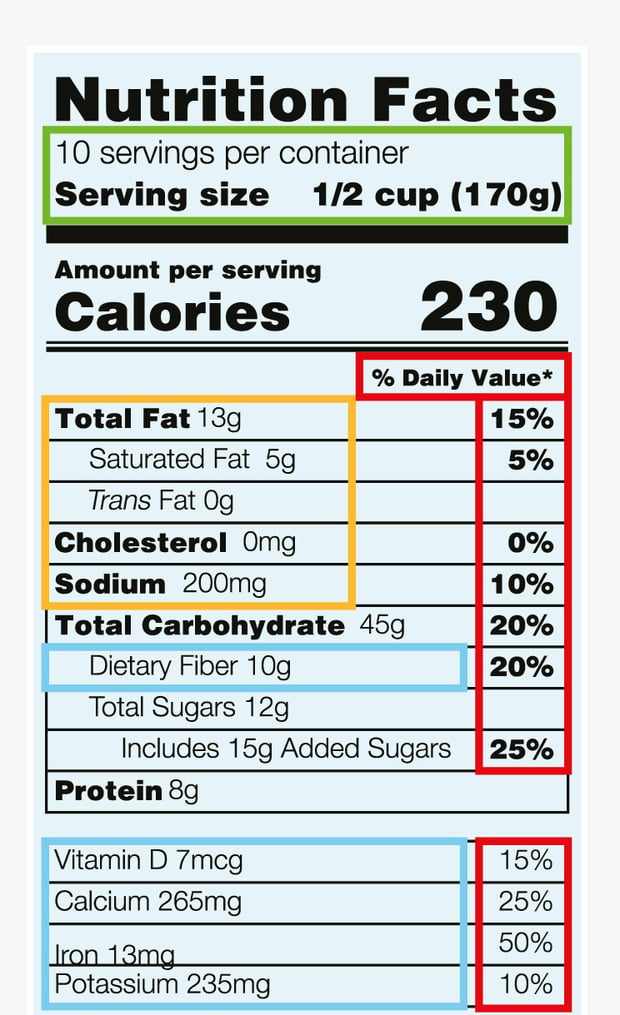
Macro minerals subject to mandatory or conditional declaration under Regulation (EU) No 1169/2011 (FIC). Sodium is always declared as salt, while other minerals are linked to nutrition or health claims.

Methods: ICP‑MS, Flame AAS

Common analytes: Sodium (Na), potassium (K), calcium (Ca), magnesium (Mg), phosphorus (P)
Sodium & Salt Declaration

Salt is the most prominent mineral declaration on food labels. EU legislation defines salt as sodium × 2.5, independent of the sodium source or compound.

Methods: ICP‑MS (total Na) , Flame AAS

Common analytes: Sodium (Na), calculated salt (NaCl)

Fortification & Dietary Supplements

Mineral fortification and supplements require analytical verification of declared contents against EU tolerance rules. Focus is on consistency between formulation, declaration and regulatory limits.

Methods: ICP‑MS, Flame AAS

Common analytes: Calcium (Ca), magnesium (Mg), phosphorus (P), sodium (Na)

Feed & Pet Food Minerals

Mineral analysis supports guaranteed analysis declarations, nutritional compliance and formulation control in feed, premixes and pet food.

Methods: ICP‑MS, Flame AAS

Common analytes: Calcium (Ca), phosphorus (P), sodium (Na), magnesium (Mg), potassium (K), CA:P-Ration

Analytical Methods

Macro minerals occur at comparatively high concentrations.
Method selection balances analytical precision, throughput and cost, depending on matrix and regulatory context.
Default Method

ICP‑MS

Simultaneous multi‑element determination following microwave‑assisted acid digestion. Enables combined analysis of macro minerals, trace elements and heavy metals in a single run.

Suitable for: Sodium, potassium, calcium, magnesium, phosphorus, food, feed, dietary supplements, water

Routine High-Level Analysis

Flame AAS

Rapid single‑element determination at mg/kg to g/kg level. Preferred for high‑concentration minerals where ICP‑MS would require extensive dilution.

Suitable for: Sodium, potassium, calcium, magnesium, dairy products, salt, mineral water, high‑salt foods

Phosphorus‑Specific Methods

Photometry / Colourimetry

Photometric determination of phosphorus using molybdovanadate complexes. Applied as alternative or reference method in selected matrices.

Suitable for: Phosphorus, feed matrices · regulatory reference applications

Analytical Interpretation

Mineral analysis supports regulatory labelling, formulation control and compliance decisions across food, supplements, feed and water.
Nutrition facts label templates with calorie and nutrient information.

Nutritional Labelling (EUFIC)

Assessment of declared mineral values according to Regulation (EU) No 1169/2011.

Analytical results are evaluated against EU Guidance on Tolerances for nutrition labelling.

Typical applications: Packaged foods, nutrition declarations, label verification

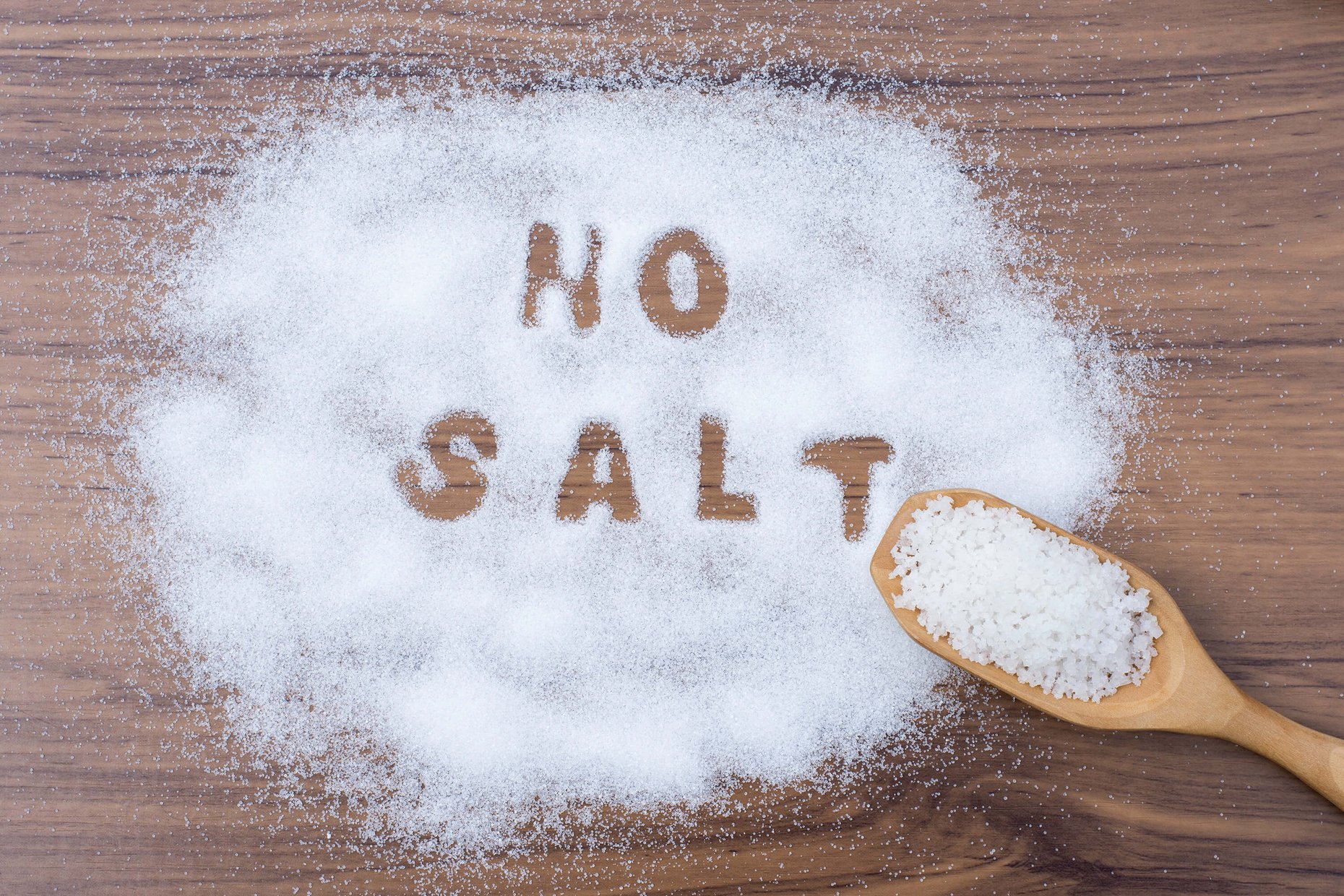
Wooden scoop with sea salt and the words no salt written in salt grains on a wooden table.

Salt Reduction Programs

Monitoring sodium content during product reformulation. Verification of “reduced salt”, “low salt” and “salt‑free” claims under Regulation (EC) No 1924/2006.

Typical applications: Product reformulation, claim verification, portfolio sodium monitoring

Yellow softgel supplement capsules as a close-up background.

Dietary Supplement Verification

Verification of declared mineral content in dietary supplements. Supports release testing, stability assessment and regulatory compliance under Directive 2002/46/EC.

Typical applications: Capsules, tablets, powders, liquids

Nurse preparing enteral nutrition formula in a hospital care setting.

Infant Formula & Clinical Nutrition

Evaluation of mineral profiles against mandatory minimum and maximum ranges. Focus on nutrition‑critical macro minerals.

Typical applications: Infant formula, follow‑on formula, FSMP, clinical nutrition products

Carbonated mineral water being poured into a glass against a bright blue background.

Mineral & Drinking Water

Characterisation of mineral composition and compliance testing. Supports mineral water labelling and drinking water regulation.

Typical applications: Mineral water, drinking water, process water

Wet pet food with dry kibble on a dark surface.

Feed & Pet Food

Mineral analysis for guaranteed declarations, formulation control and nutritional compliance. Includes Ca:P ratio verification.

Typical applications: Compound feed, mineral premixes, pet food (complete & complementary)

Illustration Law

Regulatory Framework

Mineral declarations are governed by a layered regulatory framework covering mandatory nutrition labelling (FIC), nutrition and health claims, fortification legislation and – for specific product categories – defined minimum and maximum composition ranges. The analytical result is identical; regulatory interpretation depends on product category and claim context.

UK market: EU‑derived nutrition labelling and fortification requirements apply under UK retained EU law, with assessment against the applicable UK legislation.

Related Analytics

Laboratory scientist preparing samples for high-performance liquid chromatography mass spectrometry.

Heavy Metals

Same ICP‑MS digestion – different regulatory question. Combine mineral profiling with lead, cadmium, mercury and arsenic contaminant screening in a single analytical run for maximum efficiency and compliance assurance.

Learn More
Scientist using a pipette and test tube to examine liquid samples in a laboratory.

Nutritional Analysis

Minerals form one part of the complete nutrition declaration. Combine mineral analysis with proximate composition (protein, fat, carbohydrates, fibre), vitamins and energy calculation for full labelling compliance.

Learn More