
Meat Species
Authentication of raw and processed meat products, mixed matrices and minced preparations.
Method: Species‑specific and group-specific real‑time PCR.
Common analytes: Beef, pork, poultry, turkey, horse, lamb, goat.


Real‑time PCR enables unambiguous identification of animal and plant species by detecting short, species‑specific DNA fragments – independent of processing, heating, mincing or mixing. The method delivers clear qualitative or semi‑quantitative results and works across raw, cooked, canned, dried and highly processed matrices.
All assays are ISO/IEC 17025 accredited (DAkkS, UKAS) and support meat authentication, fish fraud detection and religious dietary verification across diverse food and feed supply chains.
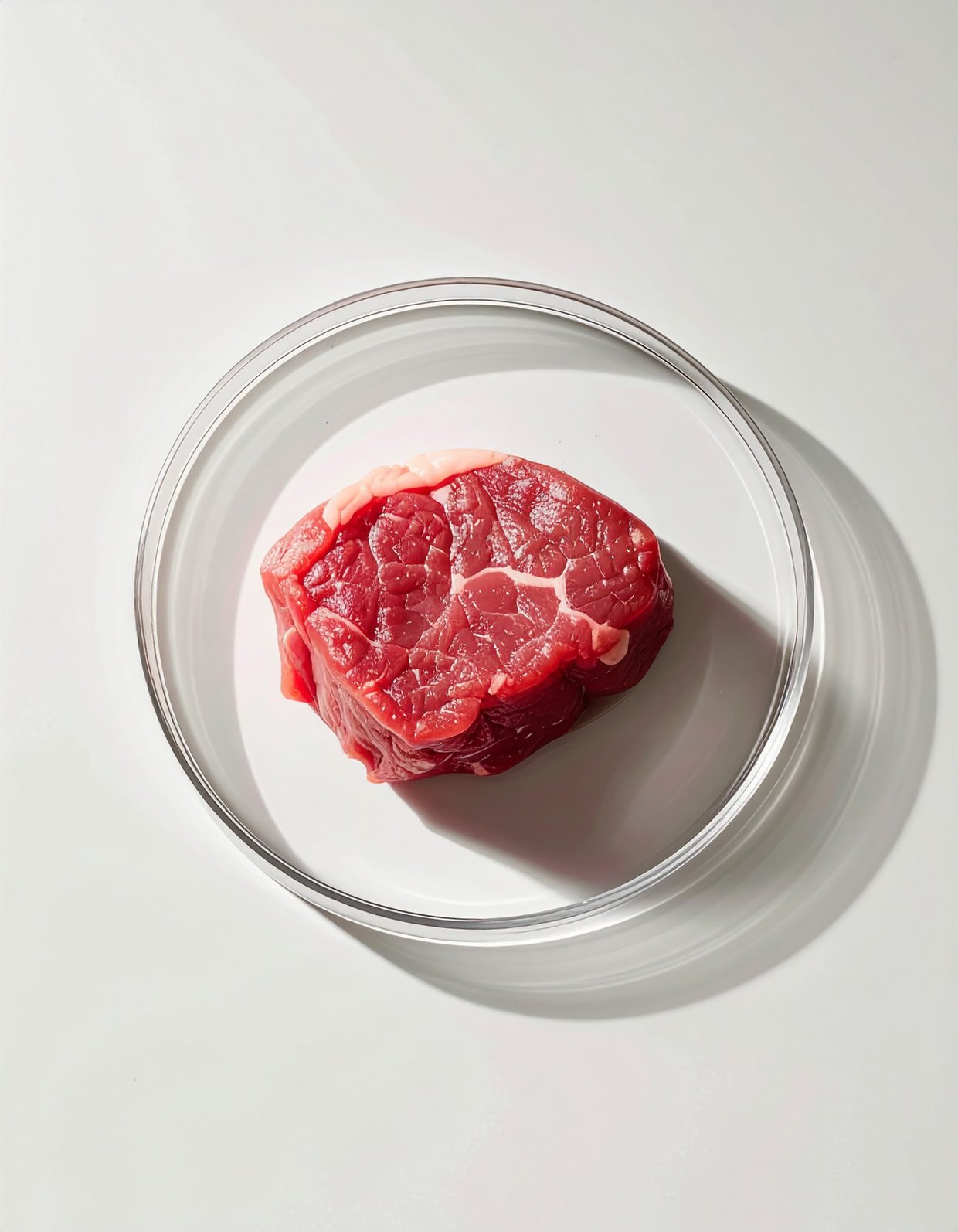
Detection of declared and undeclared animal species in raw and processed meat products using PCR-based methods.
Typical applications: Adulteration detection, label verification, quality control.
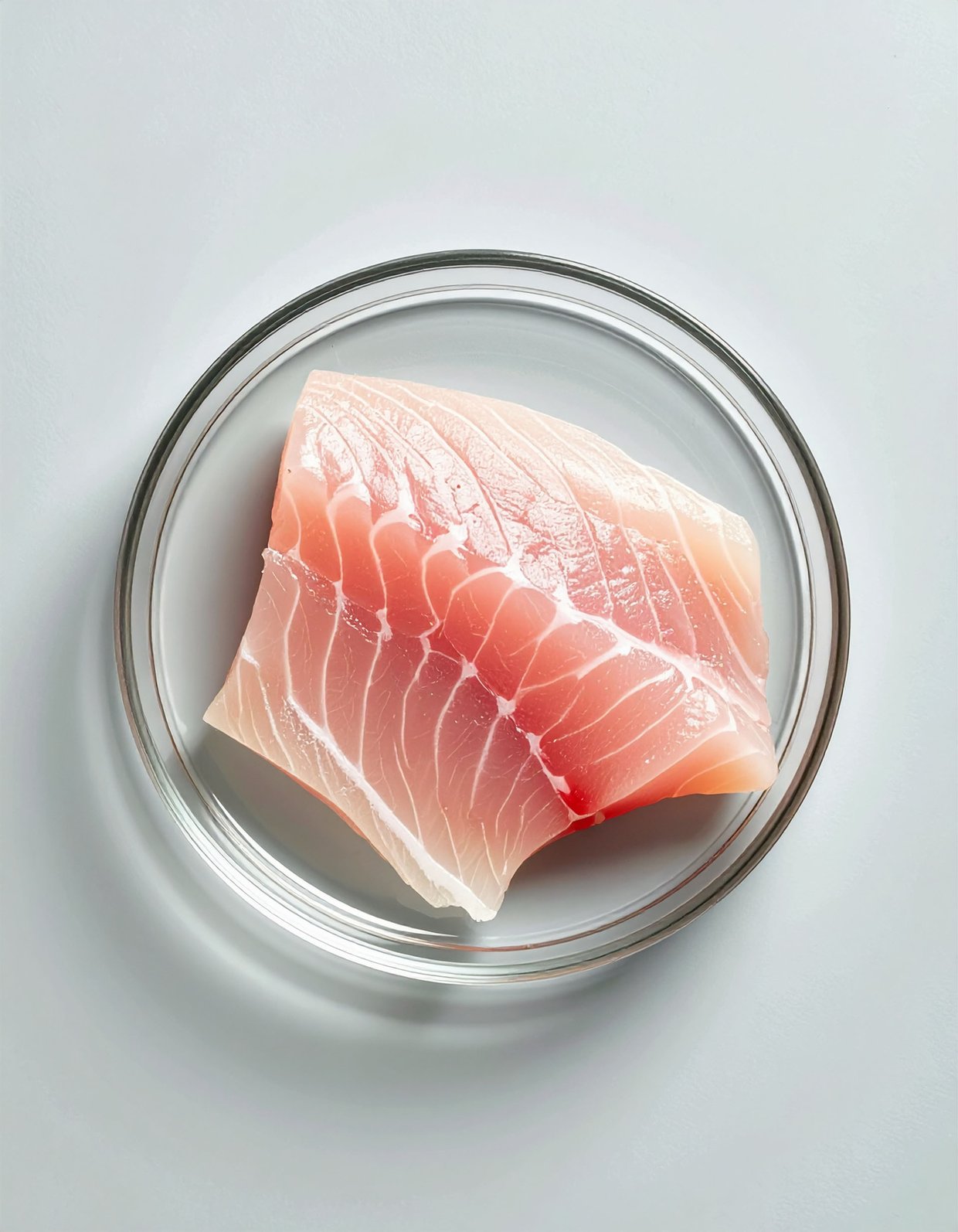
Identification of fish species to support product authenticity and prevent substitution.
Typical applications: Species confirmation, fraud detection, supply chain verification.

DNA-based identification of plant species in food ingredients and composite products.
Typical applications: Ingredient verification, detection of undeclared plant components.

Reliable species detection in complex and highly processed matrices using PCR-based methods.
Typical applications: Ready meals, sausages & mixed products, processed food matrices.

Species identification supports compliance with Regulation (EU) No 1169/2011 on food information, Regulation (EC) No 178/2002 on traceability and fraud prevention, and sector‑specific requirements for meat, fish, crustaceans and botanical ingredients under ISO/IEC 17025 accreditation.

Crop species confirmation (soy, maize, rapeseed, rice) is a prerequisite for event-specific GMO quantification. Shared DNA extraction enables efficient combined species + GMO programs.

Species composition directly affects nutritional profiles and labelling accuracy. Protein content, fatty acid composition and amino acid profiles differ between species – combine species verification with nutritional testing.