

Skip to content

Allergen Testing

Quantitative protein detection by ELISA and DNA-based confirmation by real-time PCR – for all 14 EU allergens per Regulation (EU) No 1169/2011.

A laboratory worker uses a pipette to transfer liquid into a test tube, part of an ELISA well plate procedure.

Dual-Platform Allergen Detection –
ELISA & PCR

A top-down view of a mixed nut assortment on a white background.

Allergenic proteins and species‑specific DNA sequences form the analytical basis for reliable allergen detection in food and feed.

We combine ELISA- and real‑time PCR‑based quantification, selecting the most appropriate method depending on the sample matrix, under ISO/IEC 17025 accreditation. Our approach is validated for all 14 EU allergens and supported by method evaluation, threshold interpretation, and targeted recommendations for production and hygiene control.

Parameter Portfolio

All 14 EU-regulated allergens per Regulation (EU) No 1169/2011 Annex II.

Primary Food Allergens

Proteins and DNA targets with highest relevance for cross-contact control and quantitative allergen verification. 

Methods: Quantitative ELISA, real-time PCR (species specific).

Common analytes: Gluten, milk, egg, soy, fish, crustaceans, almond, peanut, tree nuts, walnut, pistachios, sesame, mustard, celery, lupin, molluscs, sulphites (≥ 10 mg/kg SO₂) .

Cleaning Validation

Surface and equipment verification to document removal of allergenic residues after production changeover.

Methods: Allergen-specific ELISA, total protein ELISA.

Typical matrices: Surface swabs, rinse waters, environmental dust.

Gluten-Free Verification

Gluten analysis to verify compliance with the limits defined in Regulation (EU) No 828/2014. 

Methods: ELISA, Real-time PCR.

Typical matrices:  Wheat, rye, barley, oats, spelt and cereal-based products. 

A conveyor belt moves through a production facility.
Operational Risk Control

Allergen‑Management Inspections

Independent assessment of allergen-control systems covering facilities, processes and documentation. Focus on identifying and preventing cross-contact, including evaluation of structural conditions, material flows, staff practices and cleaning measures. On-site verification and optional rapid testing support effective risk control. 

Analytical Methods

Orthogonal analytical platforms for protein quantification, molecular confirmation and rapid screening –
selected according to matrix, processing level and regulatory requirements.
Protein Quantification

Sandwich ELISA

Quantitative sandwich immunoassay for the direct detection of allergenic proteins. Provides robust and reproducible results for support of label-compliance checks and cross-contact assessment.

Suitable for: Cross‑contact quantification, threshold assessment, cleaning validation.

Hydrolysed Matrices

Competitive ELISA

Antibody-competition format suitable for detecting protein targets or fragments in partially hydrolysed or fermented matrices. Particularly useful when intact epitopes are reduced and sandwich ELISA may have limited performance.

Suitable for: Gluten in beer and other fermented or hydrolysed products.

Species Confirmation

Real‑Time PCR

DNA‑based amplification for qualitative and quantitative detection of species‑specific allergen sources. Resolves ambiguous ELISA results and supports analysis of heavily processed foods where proteins degrade but DNA remains.

Suitable for: Species identity, processed matrices, ELISA confirmation.

Chemical Quantification

Monier‑Williams/Ion Chromatography

Chemical reference methods for total sulphite determination (SO₂). Required for compliance with regulated sulphite thresholds across diverse matrices.

Suitable for: Sulphites.

Analytical Interpretation

Allergen testing serves multiple purposes across the food value chain –
from supply chain verification to production monitoring and regulatory compliance.
Two powders are visible on a white surface, with one spread broadly across the area and a small pile of another in the center, illustrating cross-contact assessment.

Cross‑Contact Assessment

Quantitative assessment of unintended allergen transfer in production and handling environments.

Typical applications: PAL decision support.

A top-down view of pills, capsules, powder, and small pill containers arranged on a white background.

Supply Chain Verification

Analytical verification of allergen declarations for raw materials and ingredients.

Typical applications: Incoming goods control, detection of undeclared allergens, supplier validation.

Small white particles move along a factory conveyor belt.

Production Line Monitoring

Monitoring of allergen levels during product changeovers and cleaning cycles.

Typical applications: Allergen reduction tracking, cleaning cycle evaluation, documentation for audits.

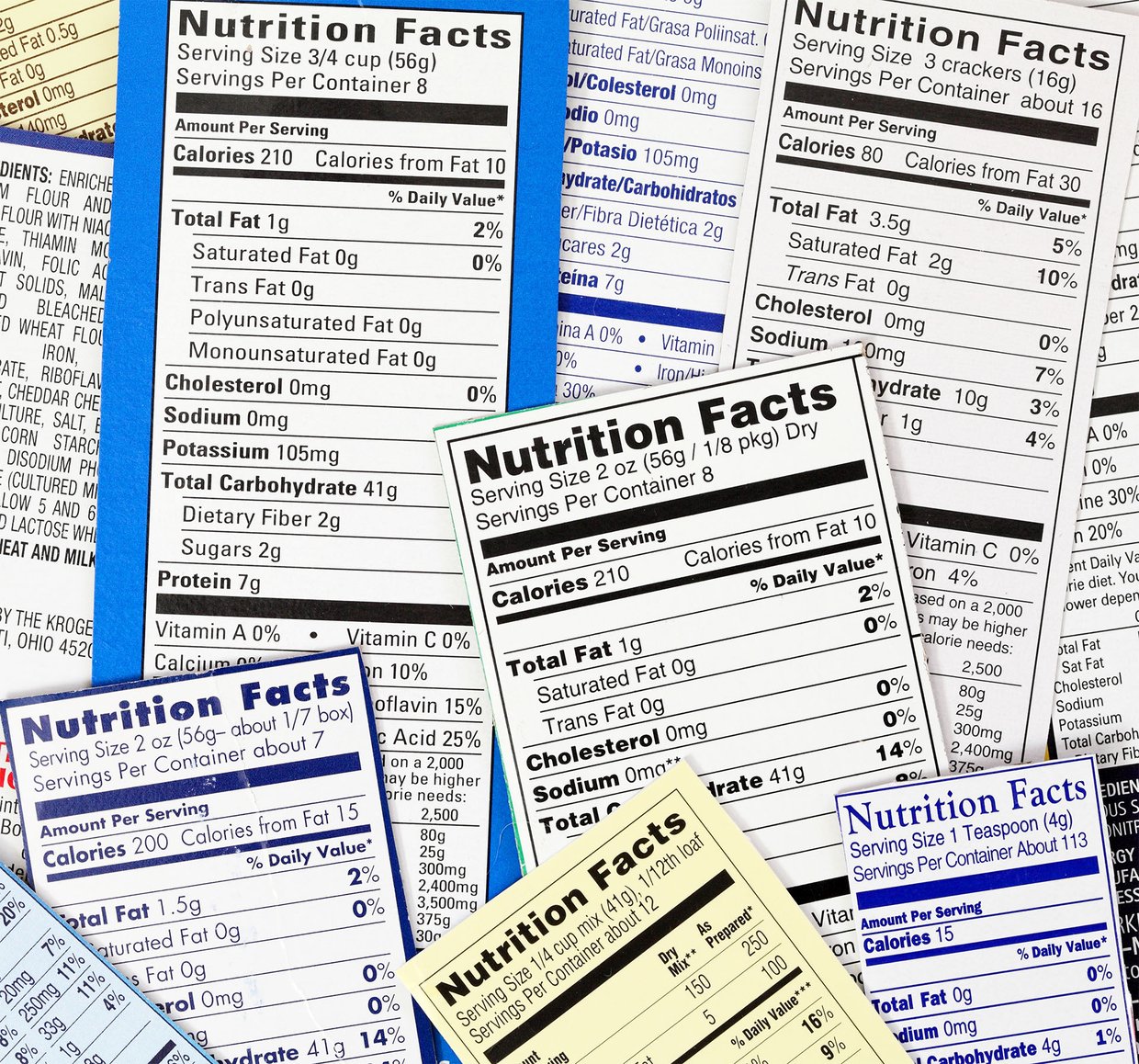
Nutrition facts panels are visible on the sides of three packaged products, including calorie information.

Label Compliance

Confirmation that declared allergens match actual product composition.

Typical applications: “Free‑from” verification, undeclared allergen detection, regulatory response.

A sampling swab-like tool rests on a metal surface, representing cleaning validation in a clinical or laboratory setting.

Cleaning Validation

Verification of allergen removal from equipment surfaces after changeover.

Typical applications: Surface swabs, HACCP and BRC/IFS documentation.

A male customer service representative wearing a headset speaks in a modern office.

Recall Support & Root Cause Analysis

Rapid identification of allergen sources in incident investigations.

Typical applications: Complaint clarification, Incident tracing, Source and process step identification.

Illustration Law

Regulatory Framework

Allergen labelling in the EU is governed by Regulation (EU) No 1169/2011, Annex II. Compliance requires correct declaration of the 14 regulated allergens and alignment of product labels, specifications and analytical verification.

Related Analytics

A person holding a test tube while performing a laboratory procedure.

Species Identification

DNA-based identification of meat, fish and plant species by real-time PCR. Complement allergen testing with comprehensive authenticity verification and fraud detection.

Learn More
A woman analyzes graphs on her laptop, focusing on data-driven decisions for her work.

Connected Analytical Frameworks

VITAL 4.0 provides threshold‑based exposure modelling using updated ED01 reference doses and supports consistent, data‑driven decisions for precautionary allergen labelling.

Learn More