Skip to content

Contaminants & Residues Analysis

Identification and quantification of contaminants and residues in food, feed, and water under ISO/IEC 17025 accreditation.

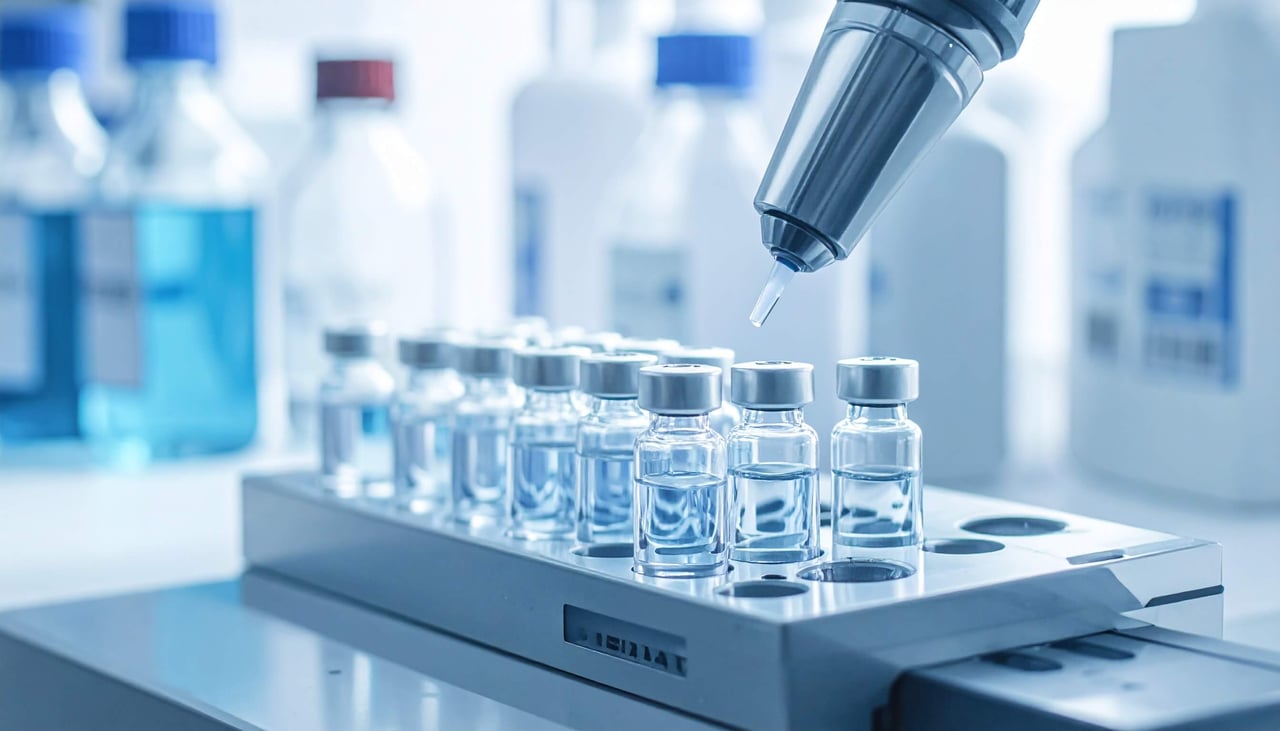
A laboratory scene with various vials and an autosampler machine, indicating a setup for scientific experiments.

From Trace Detection to Regulatory Compliance

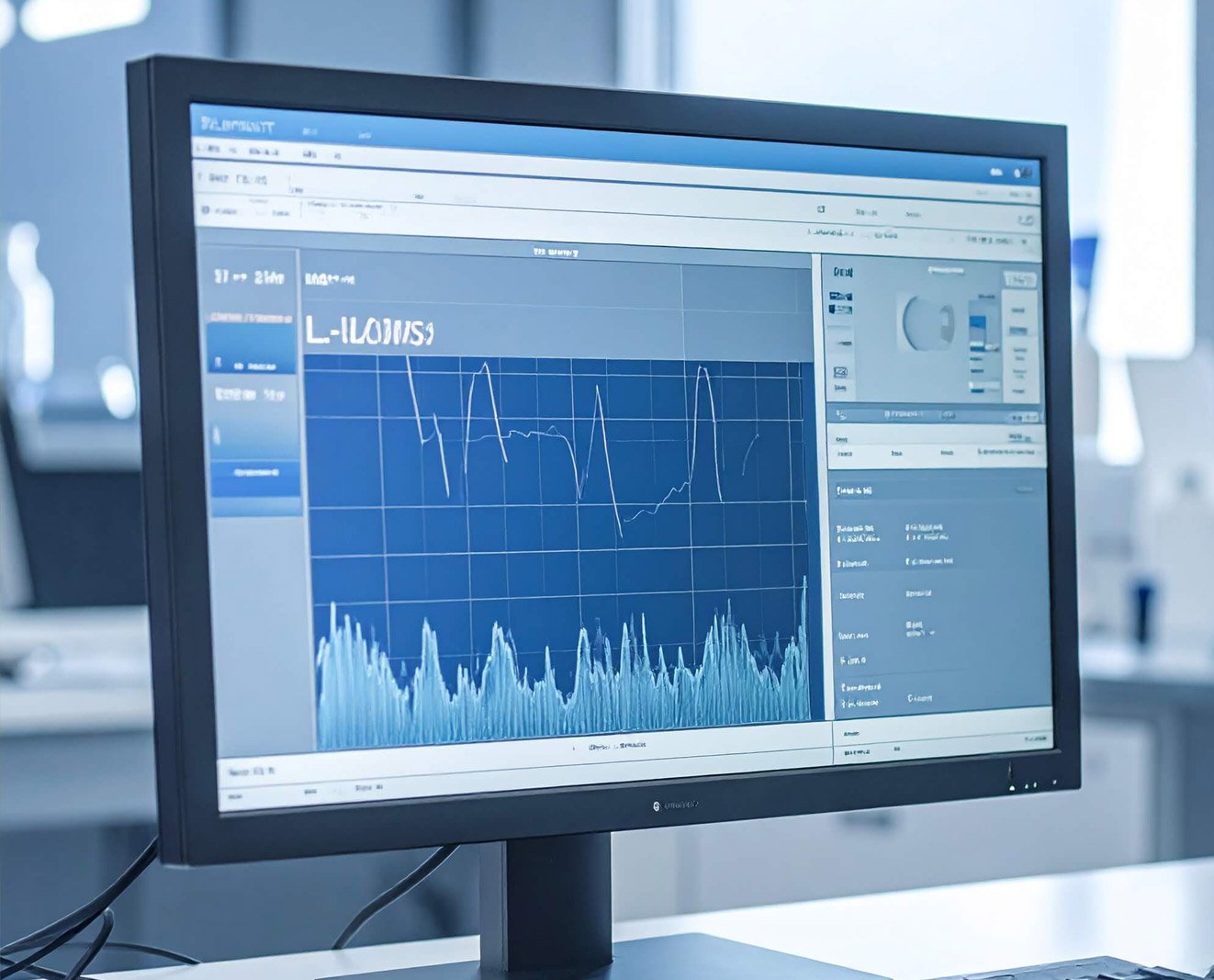
A computer screen featuring a chromatogram graph from LC-MS-MS analysis, illustrating data peaks and patterns.

We analyse samples for regulatory compliance, quality control and risk assessment. Our key capabilities include trace‑level identification of contaminants in complex matrices, matrix‑specific LOQs with fully validated quantification, and multi‑parameter analytical workflows for a wide range of contaminants and residues, all evaluated in accordance with EU 2023/915, EC 396/2005 and EEC 315/93 to support regulatory compliance, quality control and risk assessment.

Parameter Portfolio

Two complementary analytical categories – each addressing different substance classes relevant to regulatory compliance and trace‑level detection in food, feed, and water.

Contaminants

Unintentionally introduced substances originating from environmental exposure, processing, packaging or raw materials.

Methods: LC‑MS/MS, GC‑MS/MS, GC×GC‑TOF, ICP‑MS, HPLC‑GC‑FID, HRMS (optional).

Common analytes: Mycotoxins, heavy metals, process contaminants (acrylamide, 3‑MCPD, furan, PAH), MOSH/MOAH, dioxins/PCBs, PFAS, plant toxins.

Residues

Intentionally applied substances such as pesticides, biocides and veterinary drugs.

Methods: LC‑MS/MS, GC‑MS/MS, QuPPe.

Common analytes: Pesticides (>700 MRL substances), glyphosate/AMPA, ethylene oxide, chlorate/perchlorate, veterinary drug residues.

Analytical Scope

Select a substance category to access the corresponding analytical parameters and method details. Each section links directly to a dedicated page with scope, methods, regulatory context and matrix‑specific considerations.

Matrices We Analyse

Our methods cover a broad range of food, feed, and environmental matrices.
Matrix‑specific LOQs and recoveries depend on analyte, composition, and regulatory requirements.

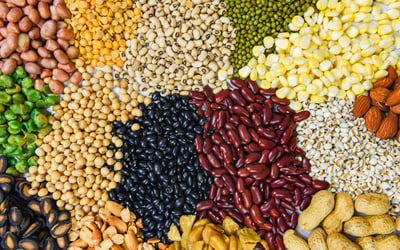
A collage of various beans, peas, whole grains, lentils, legumes, seeds, and nuts creates a colorful texture background of natural, healthy cooking ingredients.

Food & Ingredients

Cereals, grains, nuts, oilseeds, spices, herbs, cocoa, coffee, tea, fruits and vegetables (fresh & processed), confectionery, edible oils and fats, dairy products, eggs, meat, fish, seafood, and honey.

A top view of baby food with fruits and vegetables on a white background.

Baby Food & Special Nutrition

Infant formula, follow‑on formula, baby cereals, complementary foods, medical and clinical nutrition.

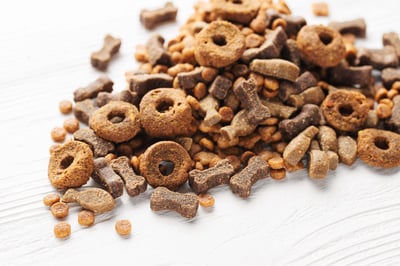
Dry food for dogs of different shapes on a white wooden background.

Feed & Pet Food

Feed materials, compound feed, premixes, forages, and pet food (dry, wet, complementary).

Water is poured into a glass, creating soap bubbles.

Water & Environmental Samples

Drinking water, raw water, wastewater, soil, dust, environmental swabs.

Regulatory Framework

Contaminant and residue limits in the EU are governed by a layered system of framework regulations, maximum‑level regulations, and substance‑specific directives. Analytical verification must address compliance with permitted levels and the distinction between intentional use and incidental contamination.

We interpret analytical results according to applicable EU and UK regulations. Our team recommends parameters, methods and interpretation approaches tailored to matrix, origin and regulatory scope.

Regulation (EU) 2023/915
Maximum levels for contaminants in food (e.g., acrylamide, PAK, MCPD).

Regulation (EC) No 396/2005
Maximum residue levels (MRLs) for pesticides in food and feed.

Regulation (EEC) No 315/93
Framework regulation on contaminants in food.

UK Retained EU Law
Post‑Brexit framework retaining equivalent contaminant and residue requirements in Great Britain.

Related Analytics

A selection of healthy ketogenic low-carb diet ingredients is arranged on a white wooden background.

Nutritional Analysis

Proximate analysis, energy calculation, fatty acid profiles, sugars, fiber and mineral content for full nutritional declarations per EU FIC or UK requirements.

Learn More
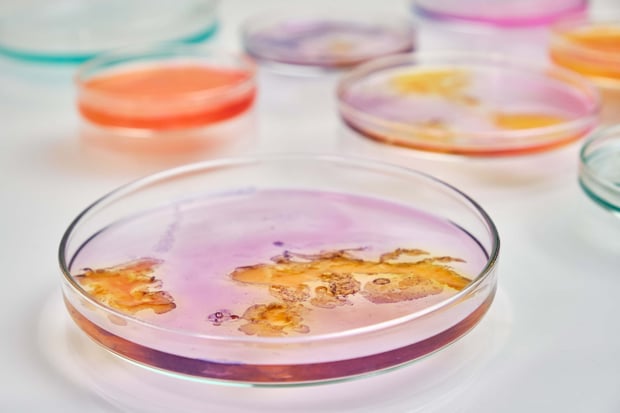
Petri dishes filled with colorful bacterial growth media.

Microbiology

Pathogen detection, colony counts, environmental monitoring – where microbiological and chemical contamination intersect.

Learn More