Skip to content

Residues Analysis

Comprehensive analysis of residues from authorised agricultural use, including polar residues, glyphosate/AMPA, ethylene oxide, and chlorate/perchlorate. ISO/IEC 17025‑validated; QS and HDE fruit monitoring approved.

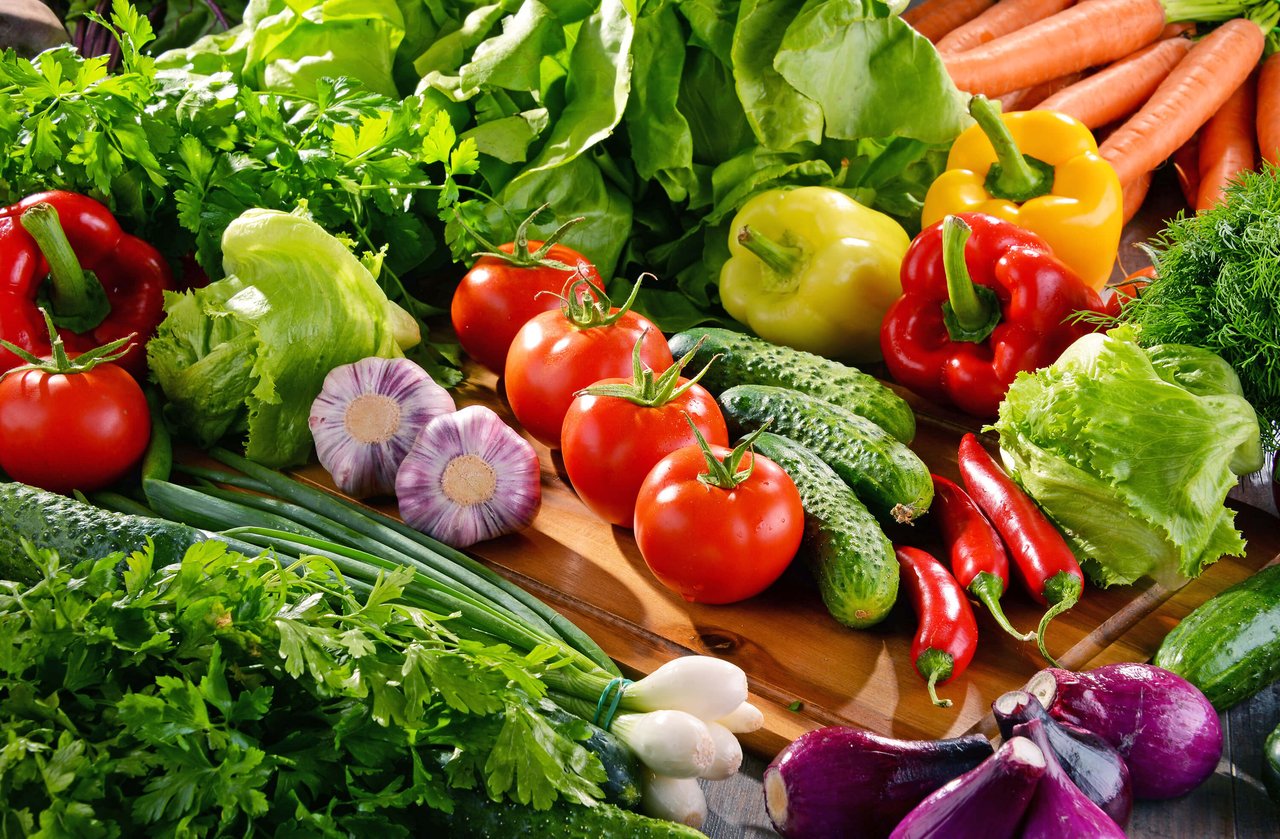
Composition with variety of fresh organic vegetables and fruits.

From Field Application to MRL Compliance –
Residues in the Food and Feed Chain

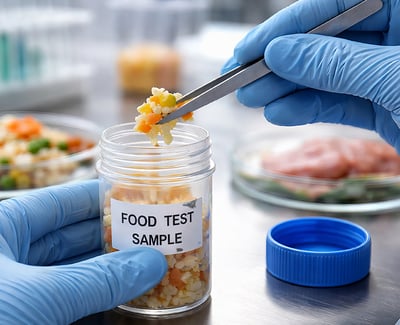
A person in a microbiology laboratory holds a petri dish and uses a sampling tool for food safety testing.

Residues are trace amounts of plant protection products that may remain in food and feed after authorised agricultural use. They can persist through harvest, processing and storage. Maximum residue levels (MRLs) are harmonised under Regulation (EC) 396/2005. Substances without a specific MRL are subject to a default limit of 0.01 mg/kg, including for infant food.

We perform comprehensive pesticide residue analysis using validated LC‑MS/MS, GC‑MS/MS and targeted workflows to ensure legally robust and matrix‑appropriate compliance assessment.

Parameter Portfolio

Complementary method blocks covering the full EU‑relevant residue scope.

Multi‑Residue Screening

Broad‑spectrum screening of ~700 active substances and metabolites from a single QuEChERS extract.

Methods: QuEChERS extraction (ASU L 00.00‑115:2018 / DIN EN 15662:2018) · GC‑MS/MS · LC‑MS/MS

Common analytes: Insecticides, Herbicides, Fungicides, Acaricides, Growth regulators, Metabolites

Polar Residues

Highly water‑soluble residues not accessible via standard QuEChERS.

Methods: QuPPe extraction, LC‑MS/MS.

Common analytes: Glyphosate/AMPA, Fosetyl‑Al/Phosphonic acid, Ethephon, Chlormequat/Mepiquat, Glufosinate, Diquat/Paraquat, Chlorate/Perchlorate.

Hydrolysis‑Relevant Residues

Active substances require acid or alkaline hydrolysis because their MRL definitions include conjugated/bound forms.

Methods: Acid or alkaline hydrolysis, LC‑MS/MS.

Common analytes: Hydrolysis‑relevant substances.

Targeted & Special Determinations

Certain residues require specific extraction or detection beyond multi‑residue, QuPPe or hydrolysis workflows.

Methods: Headspace GC‑MS/MS, IC, LC‑MS/MS.

Common analytes: Ethylene oxide / 2‑chloroethanol, Dithiocarbamates (CS₂), Dithianon, Ethoxyquin, Nicotine/Cotinine, Quaternary ammonium compounds (BAC/DDAC), Fentin (TPT), Tributyltin (TBT), Bromid.

Analytical Methods

Complementary analytical platforms ensuring methodologically correct and legally compliant residue analysis across all substance classes.
Sample Preparation

QuEChERS + QuPPe + Hydrolysis

Matrix-adapted extraction strategies for comprehensive recovery of residues across diverse chemical classes. 

Gas Chromatography

GC-MS/MS

Sensitive determination of volatile and semi-volatile residues, particularly suited for non-polar and thermally stable compounds. 


Liquid Chromatography

LC‑MS/MS

 High-selectivity analysis of polar and thermolabile residues across complex and multi-component matrices. 

Specialised Methods

Dedicated GC / LC / IC Approaches

 Targeted solutions for specific residue definitions and analytically demanding matrices. 

Analytical Interpretation

Key factors influencing MRL evaluation across matrices.
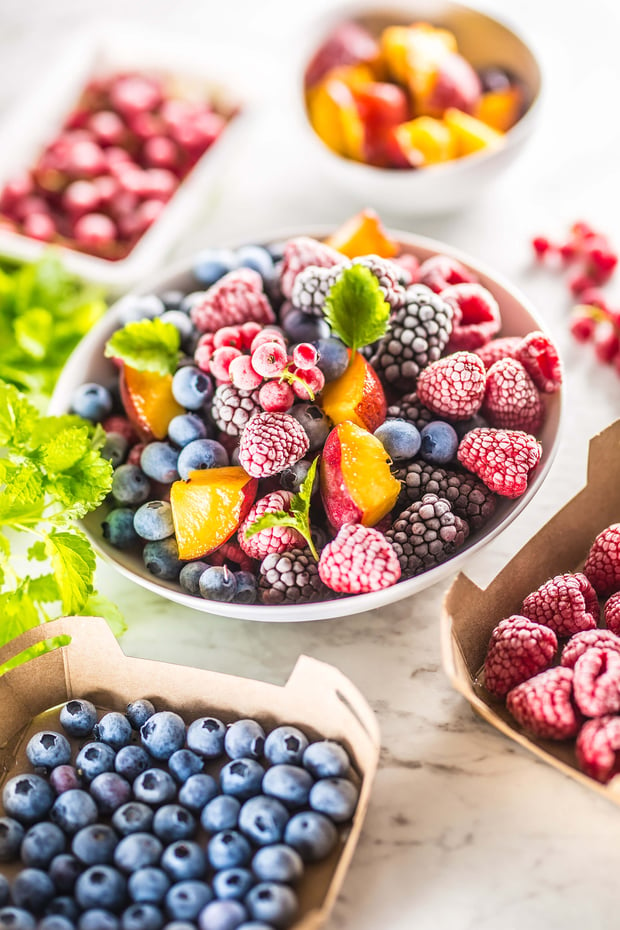
Frozen fruits including blueberries, blackberries, raspberries, red currants, peach slices, and lemon balm are arranged on a table.

Raw Agricultural Commodities

Residue levels reflect primary agricultural application and pre‑harvest intervals.

Variability between lots is common; representative sampling is critical.

Typical applications: Primary production control, import inspections, organic verification (fruit, vegetables, herbs).

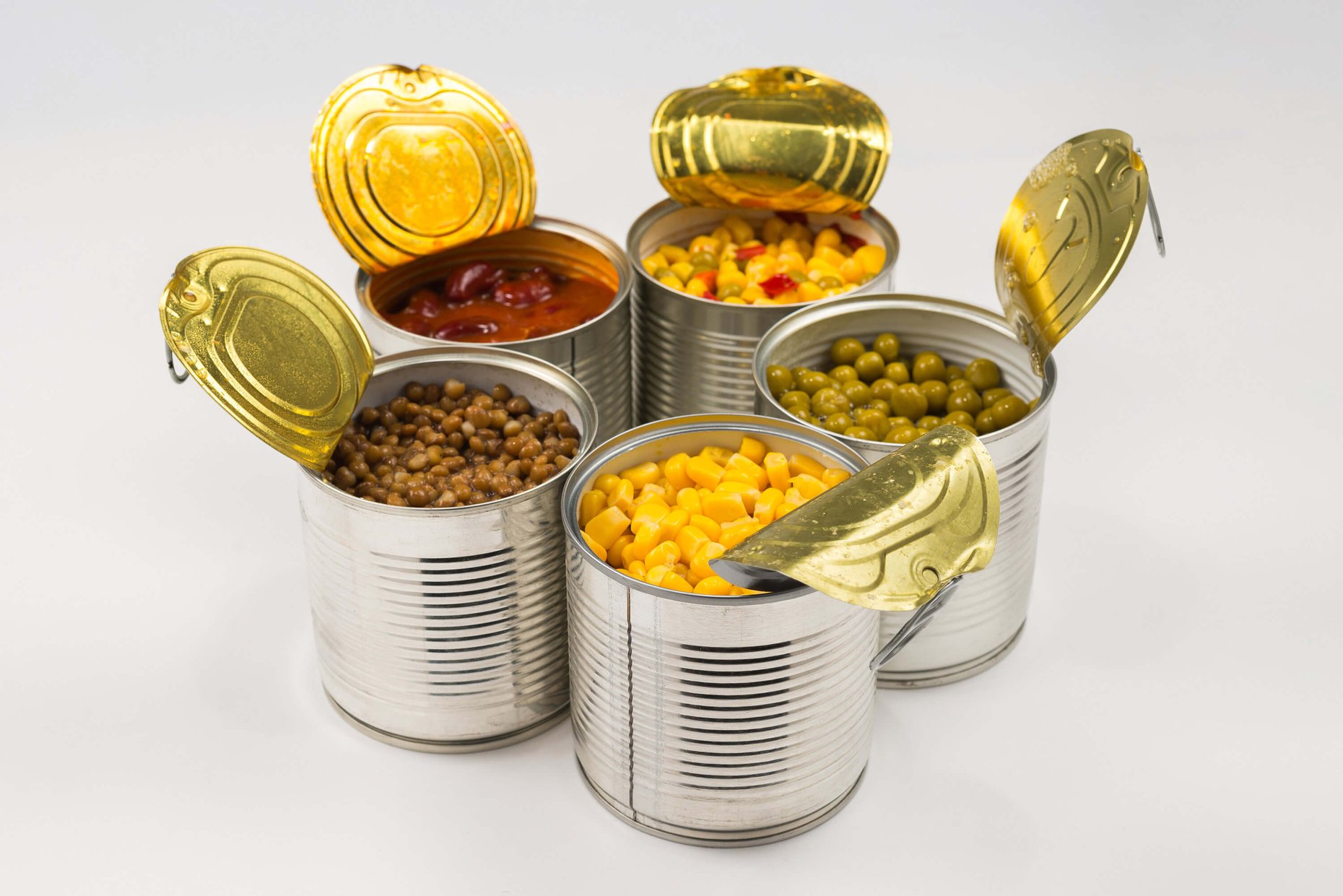
Canned food including green peas, beans, corn, and lentils arranged on a white background.

Processed & Composite Foods

Processing may reduce or concentrate residues.

Assessment considers processing factors and stricter limits for sensitive groups.

Typical applications: Retail compliance testing, private label specifications, baby food control (processed foods, e.g., juices).

A person packages coffee beans after roasting.

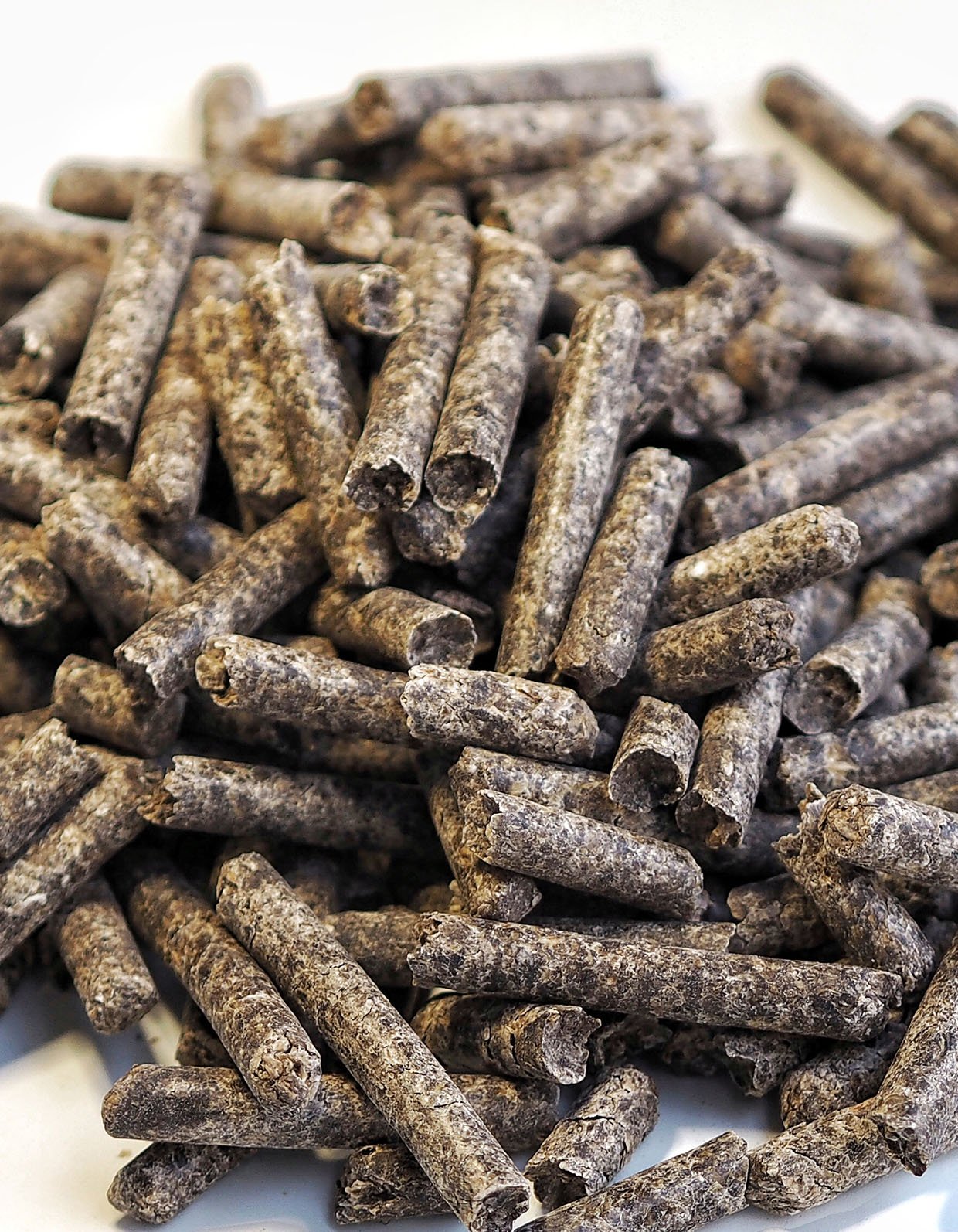
Animal‑Derived Products & Feed

Residue transfer, storage effects and feed contamination influence results.

Typical applications: Origin comparison · Batch release.

Illustration Law

Regulatory Framework

Residues are regulated under Regulation (EC) No 396/2005. Compliance depends on correct MRL definition, processing status and legally required analytical methodology including the application of SANTE guidance for measurement uncertainty. 

Related Analytics

A petri dish on a laboratory table in a lab setting, representing mycotoxin testing.

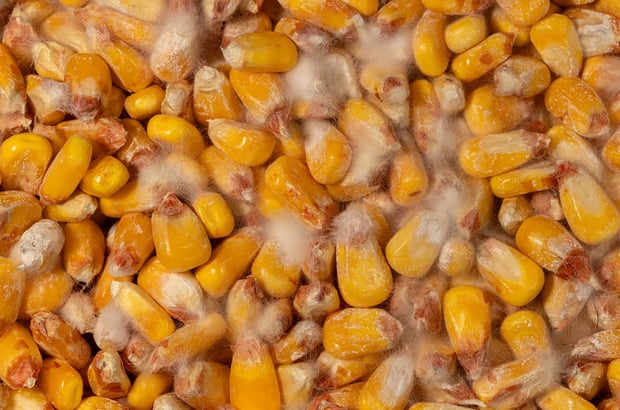
Mycotoxins

Aflatoxins, OTA, Fusarium toxins – frequently tested alongside pesticide residues for complete crop safety assessment in cereals, nuts, and spices.

Learn More
Cell culture work in a medical laboratory focused on genetic bioprocessing and biomedical research.

Chemical Contaminants

Process and environmental contaminants – chlorate/perchlorate also covered here. Combined programmes for comprehensive food safety testing.

Learn More