
From transport materials to contaminated compressed air: mineral oil in food is ubiquitous
Mineral oil hydrocarbons in food have been a concern for the industry for over a decade – but rarely has the regulatory momentum been as high as it is now. At the end of 2023, the European Commission presented an initial draft regulation amending Regulation (EU) 2023/915 to establish legally binding maximum levels for MOAH in food. The 7th revision of this draft is now available; adoption was targeted for late 2025 or early 2026.
Due to ongoing internal consultations within the European Commission on the mineral oil hydrocarbons regulatory package, the vote on a possible decision in the Standing Committee on Plants, Animals, Food and Feed (SCoPAFF) remains outstanding.
What are MOSH and MOAH?
Mineral oil hydrocarbons (MOH) are complex chemical mixtures with a chain length of C₁₀ to C₅₀, predominantly derived from fossil sources. They are divided into two groups:
MOSH (Mineral Oil Saturated Hydrocarbons) – saturated hydrocarbons accounting for 75–85% of MOH. They can accumulate in organs such as the liver, spleen and lymph nodes.
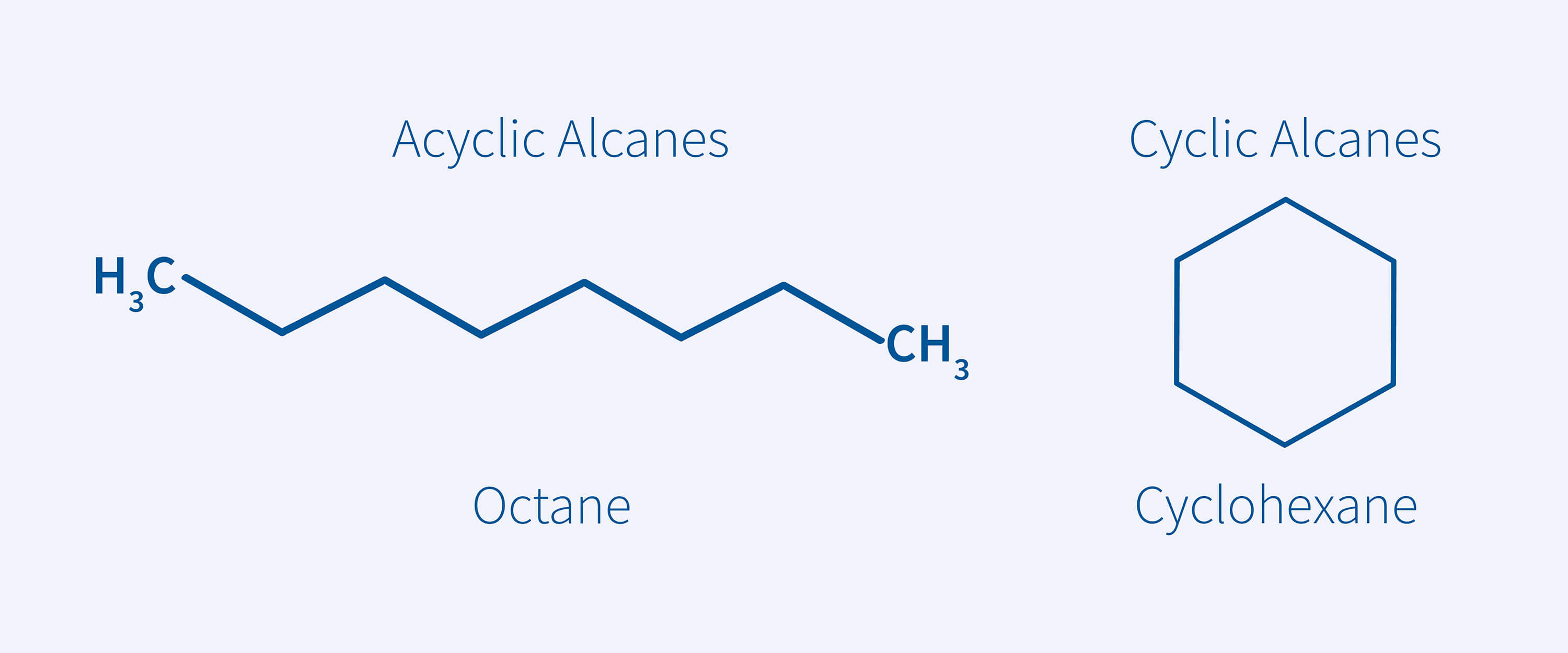
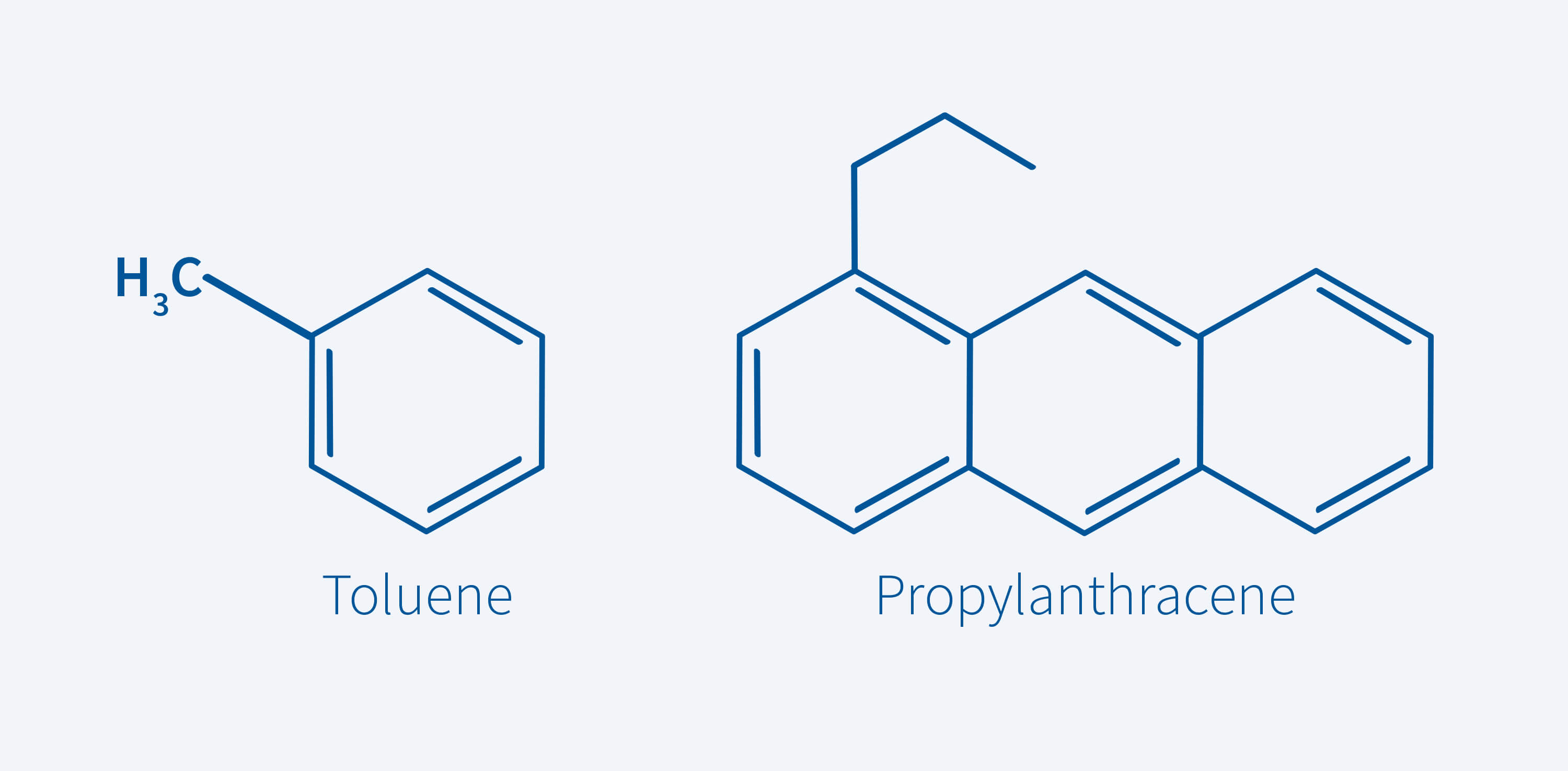
MOAH (Mineral Oil Aromatic Hydrocarbons) – aromatic hydrocarbons making up 15–25% of mineral oils. They are the focus of regulation because MOAH with three or more aromatic rings are considered potentially genotoxic and carcinogenic.
How do MOH enter food?
The entry pathways are diverse and span the entire value chain:
- Food contact materials: Recycled cardboard, jute bags and materials with mineral oil-based printing inks are among the primary sources. MOH can migrate into food directly or via the gas phase.
- Machine lubricants: Harvesting and production machinery uses lubricants that contain MOH.
- Processing aids: Release agents, dust-binding agents and technical oils.
- Food additives and ingredients: MOH can also be introduced through additives and pre-processed ingredients.
- Environmental contamination: Exhaust fumes, road surfaces and atmospheric deposition.
The overlap between sources continues to be underestimated. Due to the potential accumulation of levels from contaminated raw materials, the risk of mineral oil hydrocarbon contamination in composite and processed foods remains ever-present.
The 2023 EFSA risk assessment: the basis for everything to come
In September 2023, EFSA published its updated scientific opinion on MOH in food (EFSA Journal 2023;21(9):8215). The key conclusions:
| Substance group | Assessment |
|---|---|
| MOSH | No health risk at current exposure levels for any age group. However, MOSH accumulate in organs and the margin of exposure (MOE) is limited. A health-based guidance value (TDI/TWI) cannot be derived due to insufficient data. |
| MOAH (3–7 rings) | Potentially genotoxic and carcinogenic. Both exposure scenarios yield an MOE < 10,000 – indicating a cause for concern. Particularly affected: young children as high consumers. |
| MOAH (1–2 rings) | Data insufficient for a conclusive assessment of genotoxicity. |
What is (likely) coming from a regulatory perspective?
The European Commission is currently pursuing three parallel regulatory initiatives:
1. Maximum levels for MOAH (amendment to Regulation (EU) 2023/915)
The planned maximum levels are based on the ALARA principle and are linked to the fat content of the food:
| Food category | Planned MOAH maximum level |
|---|---|
| Fat content ≤4 % | 0.5 mg/kg |
| Fat content > 4% to ≤ 50% | 1.0 mg/kg |
| Fat content > 50% (incl. oils and fats) | 2.0 mg/kg |
| Food additives | 2.0 mg/kg (under discussion) |
| Composite foods | Calculation based on recipe in accordance with Art. 3 of Regulation (EU) 2023/915 |
The 7th revision of the draft includes, for the first time, specific categories for cereal products, cocoa products, confectionery and food additives. For composite foods, the maximum level is to be calculated from recipes and processing factors.
2. Monitoring recommendation for MOSH and MOAH
In parallel, a monitoring recommendation is being discussed that aims to establish MOSH guidance values for risk minimisation. MOAH monitoring is intended to cover products that fall outside the scope of the planned maximum level regulation – including coffee, tea, fruit, vegetables and flavourings.
3. Sampling and analysis requirements (amendment to Regulation (EC) No 333/2007)
An additional LOQ level is being proposed here: for analytically complex products such as spices, herbs, dietary supplements and marine oils, an LOQ of up to 5 mg/kg is to be permissible in future – instead of the current requirement of 1–2 mg/kg.
The analytical challenge
MOSH/MOAH analysis is one of the most demanding routine methods in food chemistry. Within the framework of our accreditation to DIN EN ISO/IEC 17025:2018, we perform MOSH/MOAH analysis in accordance with ISO 20122:2024, the BfR Compendium and JRC guidance. MOSH/MOAH analysis is a robust and well-established method in our laboratory, as regularly confirmed by long-standing proficiency testing experience.
The standard method: online LC-GC-FID
Routine analysis is based on the online-coupled liquid chromatography–gas chromatography with flame ionisation detection (LC-GC-FID). The principle: the LC fractionates the hydrocarbons into MOSH and MOAH, the GC separates the fractions and the FID quantifies them.
The advanced method: GCxGC-ToF-MS/FID
Using comprehensive two-dimensional gas chromatography coupled with time-of-flight mass spectrometry (GCxGC-ToF-MS/FID), mass spectrometric characterisation of mineral oil contamination and quantification of the toxicologically relevant tri- to polyaromatic fraction (TPAF) become possible.
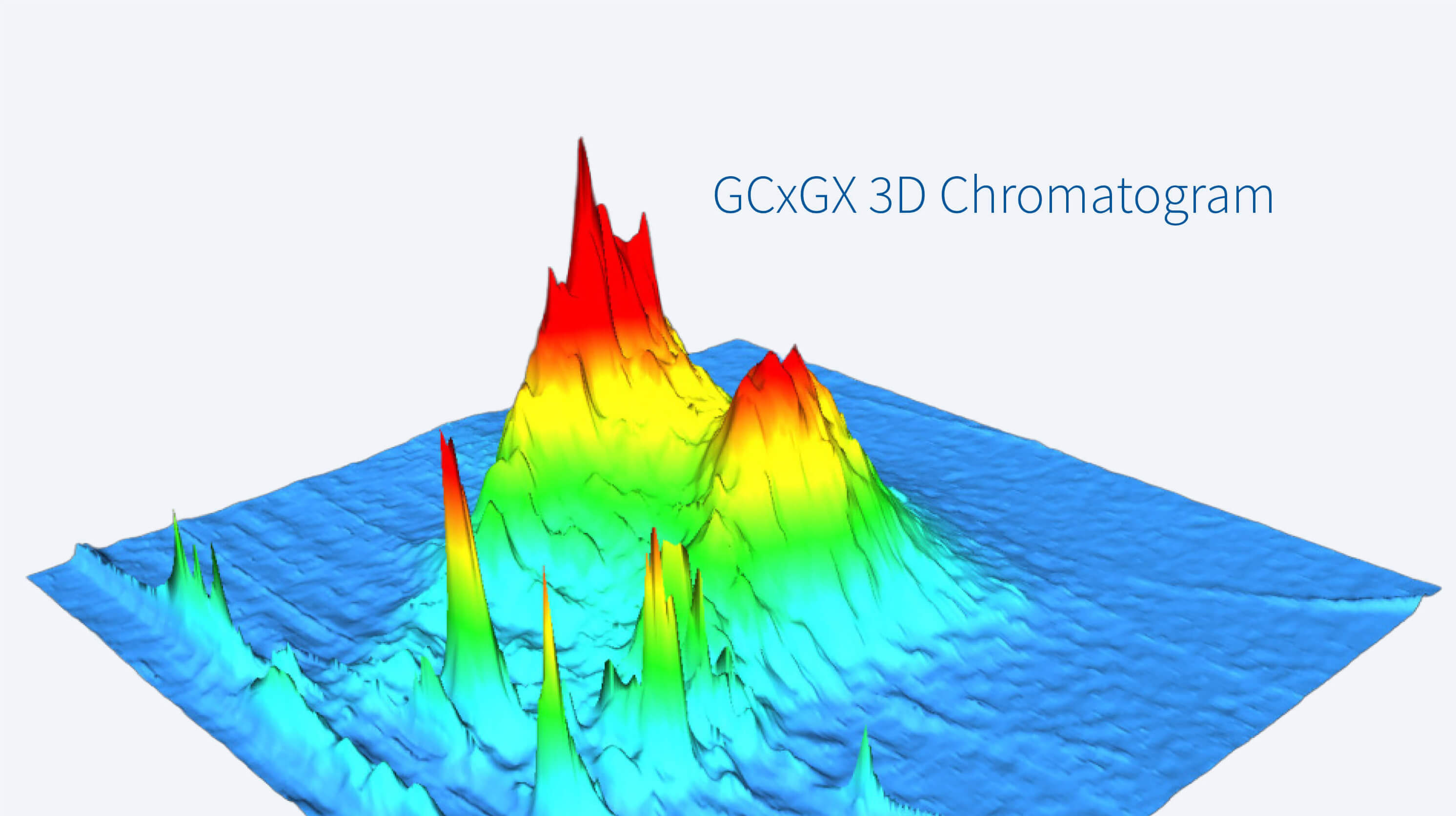
For confirmation of positive findings from LC-GC-FID measurement and deeper characterisation, this technique enables:
GCxGC-ToF-MS/FID capabilities:
- Separation of MOSH from MOSH analogues (POSH, PAO)
- Differentiation of MOAH from biogenic aromatic compounds
- Determination of aromatic ring number (1–2 rings vs. ≥ 3 rings)
- Identification of contamination sources via marker substances (e.g. DIPN for recycled paper, dibenzothiophenes for jute bags)
Conclusion
MOSH/MOAH is not a new topic – but it is entering a new phase. The transition from voluntary orientation values to legally binding maximum levels is fundamentally changing the requirements.
Those who today only report sum parameters via LC-GC-FID will tomorrow need to answer questions that this method alone cannot address: Where does the contamination originate? Which ring numbers are involved? Is it MOAH or a biogenic artefact?