

Assessment of Hygiene Status
Evaluation of the effectiveness of cleaning, disinfection and production processes.
Supports verification of hygiene programmes and continuous process improvement.
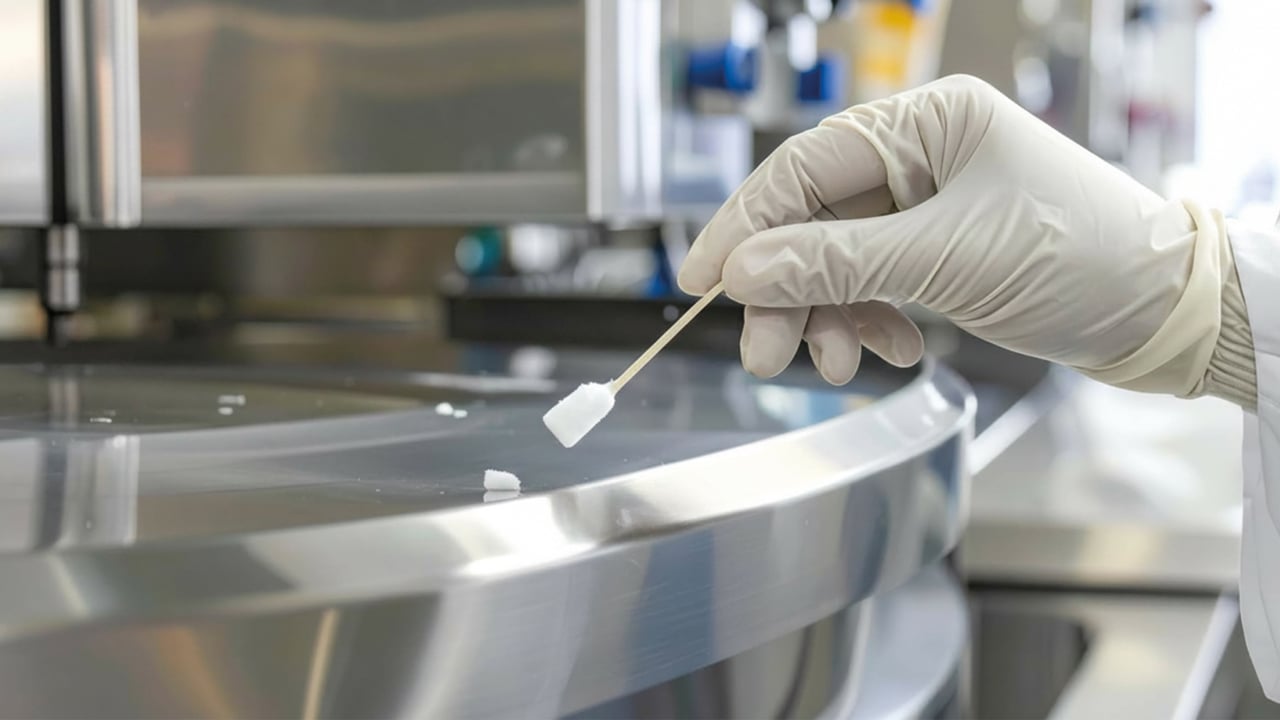

Hygiene indicators are key parameters for assessing the hygienic status of food products, raw materials, production environments and equipment. They provide valuable insights into sanitation effectiveness, process hygiene and microbiological quality while supporting compliance with HACCP, IFS and regulatory requirements.
We support food manufacturers and processors with the reliable monitoring of microbiological hygiene indicators, from routine verification testing to trend analysis, root-cause investigations and corrective action assessments. Accreditation to DIN EN ISO/IEC 17025 provides the basis for scientifically robust and regulatory-compliant results.
Evaluation of the effectiveness of cleaning, disinfection and production processes.
Supports verification of hygiene programmes and continuous process improvement.

Analysis of surfaces, equipment and process areas to identify potential sources of contamination.
Supports environmental monitoring programmes and sanitation verification.

Identification of microbiological abnormalities before pathogens or spoilage organisms can become established.
Supports proactive risk management and corrective actions.

Assessment of the microbiological quality of raw materials, intermediate products and finished products.
Provides reliable data for supplier qualification and quality assurance.
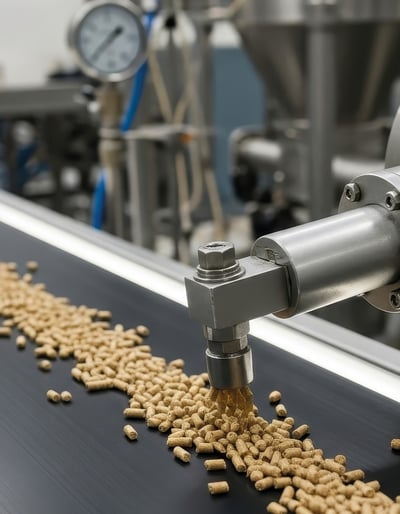
Assessment of microbiological quality in raw materials and feed ingredients prior to further processing, supporting supplier qualification and incoming goods control.
Typical samples: Cereals, oilseeds, soy products, fruits, vegetables, herbs, spices, compound feed, feed additives and animal-derived raw materials.
Typical applications: Supplier qualification, incoming goods testing, specification verification, storage assessment and feed hygiene programmes.

Hygiene monitoring of products with elevated microbiological risk profiles throughout processing and distribution.
Typical samples: Fresh meat, minced meat, poultry, sausages, cured meat products and ready-to-eat foods.
Typical applications: Process hygiene verification, release testing, trend analysis and product quality monitoring.
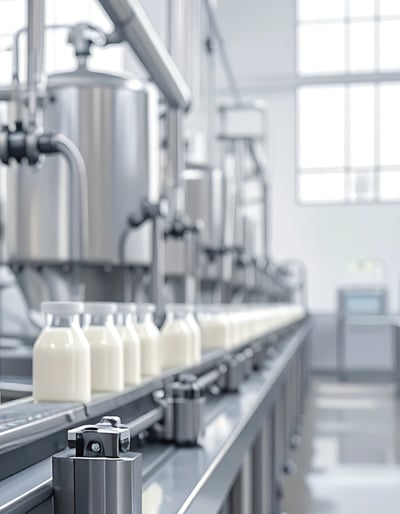
Assessment of microbiological hygiene status in sensitive chilled and fermented products.
Typical samples: Raw milk, pasteurised milk, cheese, yoghurt, dairy desserts and milk powder.
Typical applications: Raw milk verification, hygiene assessment, shelf-life verification and quality assurance.

Verification of hygienic production conditions and microbiological product quality.
Typical samples: Ready meals, salads, sandwiches, bakery products and convenience foods.
Typical applications: Release testing, retailer specifications, quality control and risk management.
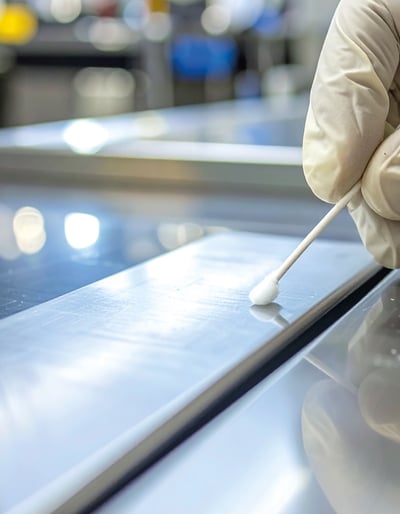
Monitoring of surfaces and equipment to verify cleaning and disinfection effectiveness.
Typical samples: Surface swabs, contact plates, equipment rinse samples.
Typical applications: Environmental monitoring programs, sanitation verification, audit preparation and contamination control.

Assessment of process and rinse water as a potential source of hygiene deviations and microbiological contamination.
Typical samples: Process water, rinse water, ice.
Typical applications: Water hygiene monitoring, compliance verification, root-cause investigation.

Hygiene indicator testing supports compliance with HACCP programmes, IFS requirements and customer-specific quality standards. Reliable microbiological data help verify hygiene measures, assess sanitation effectiveness and support continuous process improvement across the production environment.
We support food manufacturers and processors with scientifically robust analytical data for process verification, trend analysis, corrective actions and quality assurance.
See our Microbiology Overview for further information on applicable standards and regulatory requirements.
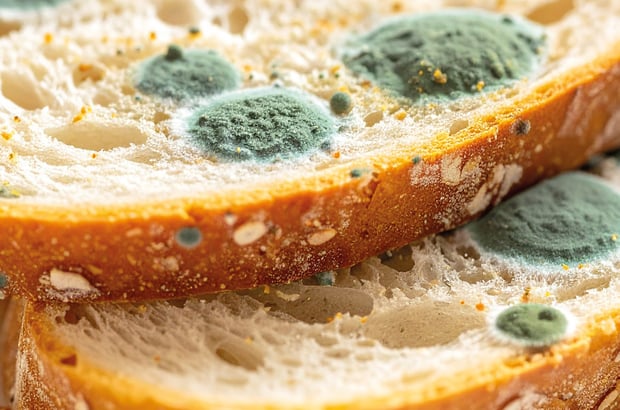
Indicator organisms and spoilage microorganisms are closely linked in the assessment of microbiological quality and process hygiene. Combined analysis supports shelf-life management, quality assurance and the early identification of process-related deviations.
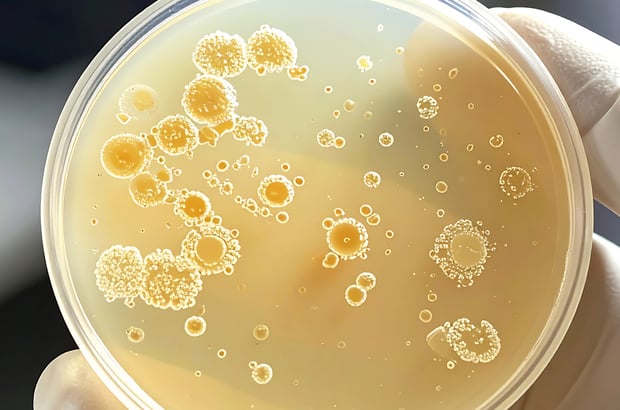
Hygiene indicators often provide an early warning of hygienic deficiencies before pathogens become established. Combining hygiene indicator testing with pathogen detection supports proactive food safety management and comprehensive microbiological risk assessment.