Skip to content

Spore & Spore-Former Testing

Accredited detection, enumeration and identification of spores and spore-forming microorganisms in raw materials, production environments and finished products. 

Industrial canning process representing thermal process validation and control of spore-forming microorganisms.

Spore-Formers as a Challenge for Process Stability and Shelf Life

Bacterial spores under thermal stress conditions during process validation testing.

Spore-forming microorganisms present a unique challenge in food production due to their ability to survive harsh processing conditions and become active again when conditions allow. Their persistence can impact process hygiene, product quality, shelf life and overall production stability.

Heat-resistant spores may survive processing and germinate during storage, potentially leading to spoilage, quality defects and reduced product stability. For product categories such as dairy, beverages, plant-based foods and convenience products, targeted spore testing provides valuable insights for process verification and risk assessment.

We support food manufacturers and processors with the detection, enumeration and evaluation of relevant spore-forming microorganisms. Reliable analytical data support process verification, quality assurance, shelf-life assessment and HACCP programs. Accreditation to DIN EN ISO/IEC 17025 provides the foundation for scientifically sound and regulatory-compliant results.

Managing Spore-Related Risks in Food Production

Spore-forming microorganisms present unique challenges for process control, product stability and shelf life. Targeted testing supports risk assessment, validation of thermal processing steps and the verification of preventive control measures.
Icon representing monitoring and testing of critical raw materials for spore contamination risks.

Raw Material Monitoring

Identification of spore-contaminated raw materials as a potential source of contamination in production.

Supports supplier qualification, incoming material control and contamination prevention.

Icon representing resistance-based risk assessment of spore-forming microorganisms in food production.

Spore Risk Assessment

Classification of heat- and stress-resistant spores to assess the risks of reactivation and germination.

Supports stability assessments and risk-based process control.

Icon illustrating the assessment and validation of thermal processing stages for spore control and food safety.

Thermal Process Verification

Analysis of spores to verify the effectiveness of heating and sterilization processes.

Supports process validation, thermal process verification and shelf-life management.

Parameter Portfolio

Different analytical parameters provide insights into the occurrence, concentration and characteristics of spores and spore-forming microorganisms. The selection of parameters depends on the product, process and evaluation objective.

Spore Count

Assessment of heat-resistant spores as an indicator of microbiological load and process stability.

Methods: Heat shock, cultivation and plate count.

Results: CFU/g, CFU/ml or CFU/plate for assessment of spore load.

Mesophilic Spore-Formers

Assessment of mesophilic spore-forming microorganisms relevant to product quality and process hygiene.

Methods: Selective cultivation under mesophilic conditions.

Results: Enumeration and classification of mesophilic spore-formers. 


Thermophilic Spore-Formers

Assessment of thermophilic spore-forming microorganisms associated with heat-treated products and process-related contamination.

Methods: Selective cultivation under thermophilic conditions.

Results: Enumeration and classification of thermophilic spore-formers.


Microbial Identification

Identification of relevant spore-forming microorganisms, including species associated with product instability and process deviations.

Methods: MALDI-TOF-MS, real-time PCR.

Results: Taxonomic identification and classification.

Analytical Methods

The selection of analytical methods depends on the target organism, sample matrix and process requirements. Culture-based methods, spore enumeration, microbial identification and environmental monitoring techniques work together to support the assessment of spore-related risks, process performance and product stability.
Enumeration of Spore Load

Spore Count

Quantification of heat-resistant spores provides valuable information on microbiological stability and the effectiveness of thermal processing.

Suitable for: Process validation, thermal treatment assessment, shelf-life studies, stability evaluation and quality assurance.

Characterization of Spore-Forming Organisms

Selective Cultivation

Selective cultivation methods enable differentiation between mesophilic and thermophilic spore-forming microorganisms and support the assessment of resistance-related risks.

Suitable for: Mesophilic spores, thermophilic spores, resistance profiling and process optimization.

Species Identification

Real-Time PCR & MALDI-TOF MS

Molecular and protein-based identification methods support the characterization of relevant spore-forming microorganisms and help assess their impact on product quality and process stability.

Suitable for: Bacillus cereus, Clostridium spp., species identification, confirmation testing and contamination investigations.

Environmental Monitoring

Production & Environmental Monitoring

Monitoring production areas, equipment and contact surfaces helps identify potential reservoirs of spore-forming microorganisms and supports preventive hygiene management.

Suitable for: Environmental monitoring, hygiene verification, source identification.

Root Cause Analysis

Comparative Microbiological Assessment

Comparative evaluation of isolates, samples and production stages supports identification of contamination sources and targeted corrective actions.

Suitable for: Root-cause investigation, troubleshooting, process optimization.

Sample Matrices & Application Areas

Spore testing is applied across a wide range of food products, raw materials and production environments. Testing strategies are selected based on product characteristics, processing conditions and the expected occurrence of spore-forming microorganisms.

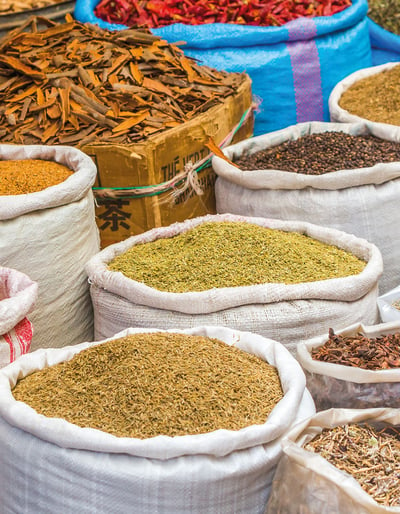
Raw ingredients assessed for heat-resistant spores before production.

Raw Materials & Ingredients

Identification of incoming raw materials carrying elevated spore loads before use in production.

Typical samples: Agricultural raw materials, herbs, spices, powders and dried ingredients.

Typical applications: Supports supplier qualification, incoming material control and contamination prevention.

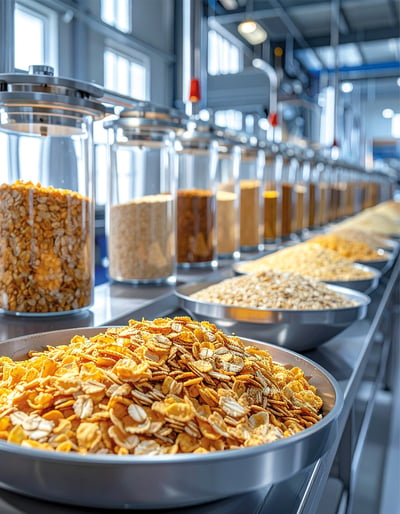
Cereal-based products assessed for spore contamination and process stability.

Starch & Cereal Products

Assessment of raw materials and processed products where spores may survive production and storage conditions.

Typical samples: Flours, starches, grain products, breakfast cereals and bakery ingredients.

Typical applications: Raw material qualification, process verification and contamination control.

 

Dairy desserts assessed for spore-forming microorganisms, shelf-life stability and product quality.

Dairy Products

Assessment of spore-forming microorganisms in products susceptible to quality defects, reduced shelf life and post-processing germination.

Typical samples: Raw milk, milk powder, cheese, UHT milk, dairy desserts and fermented dairy products.

Typical applications: Shelf-life validation, thermal process verification, raw milk quality assessment and quality assurance.

 

Plant-based foods and ready-to-eat products assessed for spore-forming microorganisms, shelf-life stability and product quality.

Plant-Based Foods & Beverages

Evaluation of spore-forming microorganisms in products exposed to thermal processing, extended storage or ambient distribution.

Typical samples: Plant-based drinks, vegetable products, juices, sauces and canned products.

Typical applications: Shelf-life validation, stability assessment, process optimization and quality assurance.


Cooked convenience products evaluated for spores and microbiological process stability.

Meat, Poultry & Convenience Products

Investigation of spore-forming microorganisms that may survive thermal processing and affect product quality during storage.

Typical samples: Cooked meat products, sausages, ready meals, poultry products and convenience foods.

Typical applications: Process validation, spoilage prevention, shelf-life assessment and quality monitoring.

Environmental swab sampling used to monitor spore contamination in food production equipment and processing areas.

Production Environment & Equipment

Monitoring of production areas as potential reservoirs of spore-forming microorganisms.

Typical samples: Surface swabs, contact plates, equipment swabs and environmental samples.

Typical applications: Environmental monitoring programs, sanitation verification, trend analysis and contamination source tracking.


Illustration Law

Regulatory Framework

Spore and spore-former testing supports thermal process validation, HACCP programs and quality management requirements in food production. Reliable analytical data help assess spore-related risks, support shelf-life evaluation and verify the effectiveness of thermal processing.

We support food manufacturers and processors with scientifically sound analytical data for process validation, product stability assessments and continuous improvement initiatives.

See our Microbiology Overview for further information on applicable standards and regulatory requirements.

Related Analytics

Packaged food product assessed for microbiological stability, spoilage risks and shelf-life performance.

Spoilage Organisms

Many spore-forming microorganisms contribute directly to product spoilage, reduced shelf life and sensory quality defects. Combined assessment supports product stability evaluation, shelf-life studies and quality assurance programs.


Learn More
Selective agar plate used for pathogen detection in a food safety context.

Pathogen Detection & Testing

Bacillus cereus and Clostridium spp. are spore-forming microorganisms of direct food safety relevance. Combining spore analysis with pathogen testing supports a more comprehensive risk assessment of heat-treated products.

 

Learn More