
Pathogen Risk Assessment
Identification and evaluation of microbiological risks in food products, raw materials and production environments.
Supports risk-based testing strategies and preventive food safety management.
Reliable microbiological testing is essential for ensuring food safety, maintaining consumer confidence and meeting regulatory requirements. Effective monitoring supports preventive quality management and helps identify risks before they impact products, processes or market access.
We support food manufacturers and processors in the reliable detection, assessment and control of relevant pathogens. Accreditation to DIN EN ISO/IEC 17025 and approval under § 44 LFGB provide confidence in scientifically robust and regulatory-compliant results.
Identification and evaluation of microbiological risks in food products, raw materials and production environments.
Supports risk-based testing strategies and preventive food safety management.

Assessment of production environments, equipment and surfaces to identify potential contamination sources.
Supports hygiene verification, trend analysis and preventive environmental monitoring programmes.

Microbiological data provide a reliable basis for monitoring critical control points and verifying food safety programmes.
Supports documentation requirements, audits and continuous improvement initiatives through scientifically robust analytical data.

Early detection of microbiological risks helps reduce the likelihood of food safety incidents, product recalls and associated business impacts.
Supports preventive quality assurance and informed risk management decisions.
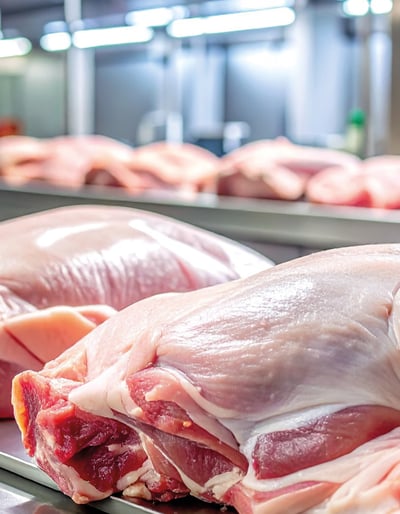
Testing of animal-derived raw materials and processed products for relevant foodborne pathogens.
Typical samples: Fresh meat, minced meat, poultry, sausages, cured meat products and ready-to-eat foods.
Typical applications: Incoming goods, release testing, carcass monitoring, shelf-life validation, process hygiene verification.
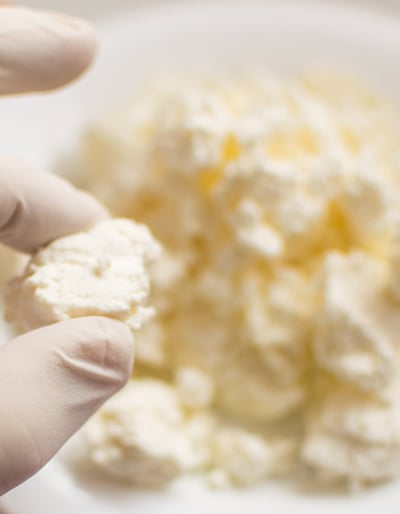
Microbiological testing of dairy products to support food safety, product quality and regulatory compliance.
Typical samples: Raw milk, cheese, yoghurt, milk powder, whey products and dairy desserts.
Typical applications: Release testing, shelf‑life studies, raw milk verification, audit support.

Testing of products with particularly high food safety requirements.
Typical samples: Infant formula, follow-on formula, foods for special medical purposes and enteral nutrition products.
Typical applications: Batch release, stability testing, and regulatory compliance support.

Detection of relevant pathogens in fresh, frozen and processed foods.
Typical samples: Fruit, vegetables, salads, sprouts, herbs, spices and prepared foods.
Typical applications: Shelf-life validation (challenge testing support), release testing, complaint investigation, retailer specifications.
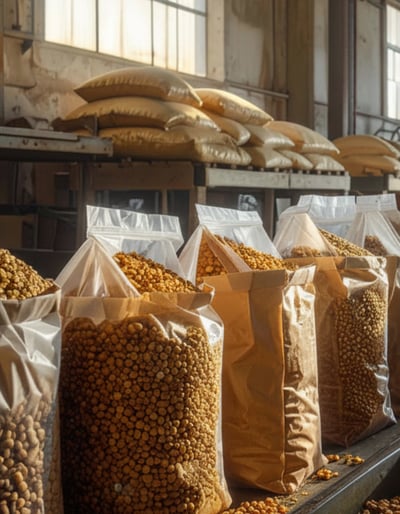
Microbiological assessment of feed materials and finished feed products.
Typical samples: Cereals, soy products, oilseeds, compound feed and pet food.
Typical applications: Supplier qualification, incoming goods testing, feed hygiene programmes, import controls & compliance verification.

Assessment of potential contamination sources in production and storage environments.
Typical samples: Surface swabs, contact plates, environmental swabs, process water, air and environmental samples.
Typical applications: Environmental monitoring programmes, audit compliance, root-cause analysis and trend evaluation.

Pathogen testing supports compliance with food safety regulations, HACCP programmes and customer-specific requirements. We support food manufacturers and processors with reliable analytical data for product release, environmental monitoring, audit preparation and microbiological risk management.
See our Microbiology Overview for further information on applicable standards and regulatory requirements.

Indicator organisms provide valuable information about process hygiene, sanitation effectiveness and potential contamination risks. Combined with pathogen testing, they support the identification of microbiological weaknesses and the verification of preventive control measures.
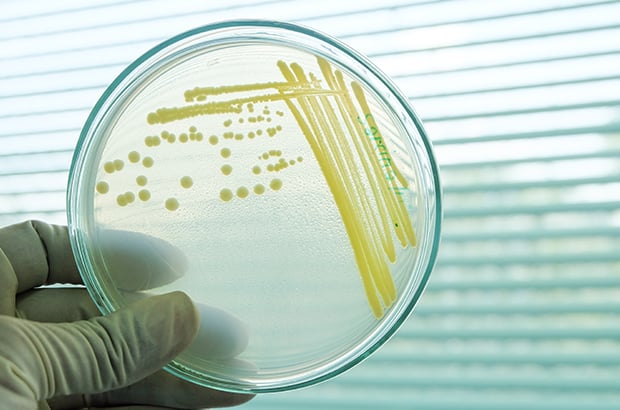
Spoilage microorganisms can affect shelf life, product quality and consumer acceptance long before food safety limits are reached. Combined evaluation of spoilage organisms and pathogens provides a broader understanding of microbiological product quality, shelf-life stability and production process performance.