
Skip to content

Microbial Purity Testing

Accredited microbial purity testing for pharmaceutical products, medical devices, water systems and controlled manufacturing environments.

Microbiological testing of pharmaceutical products for microbial purity and GMP compliance.

Microbiological Control Across the Product Lifecycle

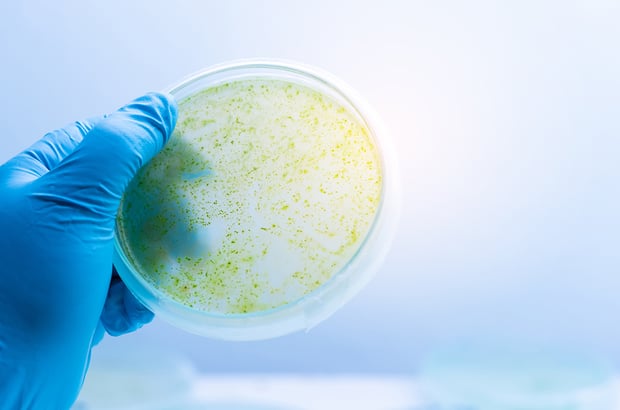
Pharmaceutical sample prepared for microbial purity testing in an accredited laboratory.

Microbial purity testing plays an essential role in pharmaceutical quality control and helps verify the microbiological quality of raw materials, in-process materials and finished products. Regulatory expectations apply across a wide range of pharmaceutical products, medical devices, water systems and controlled manufacturing environments.

Reliable microbiological testing supports product quality, process control and regulatory compliance throughout development, manufacturing and release.

We support pharmaceutical manufacturers and medical device companies with microbial purity testing for product development, process validation, routine quality control and release testing. Accreditation to DIN EN ISO/IEC 17025 provides the foundation for scientifically sound and GMP-compliant results.


Microbial Purity in Pharmaceutical Quality Control

Microbial purity testing is guided by pharmacopoeial requirements and GMP principles. Applicable chapters and guidelines define microbiological specifications, testing procedures and acceptance criteria for pharmaceutical products, water systems and controlled manufacturing environments.
Ph. Eur. 2.6.12: Quantitative determination of microbial contamination (TAMC and TYMC).

Ph. Eur. 2.6.12

Defines standardized methods for the quantitative determination of aerobic microorganisms (TAMC, TYMC) in non-sterile pharmaceutical products.


 

Ph. Eur. 2.6.13: Detection and identification of specified microorganisms.

Ph. Eur. 2.6.13

Defines methods for the detection and identification of specified microorganisms used to assess microbiological risks.


Ph. Eur. 5.1.8 and 2.6.31: Microbiological examination of herbal medicinal products.

Ph. Eur. 5.1.8/2.6.31

Defines testing strategies for the determination of total microbial count and specified microorganisms in herbal medicinal products and plant-derived materials.

Ph. Eur. 0169 and 0008: Microbiological quality testing of purified water and water for injections.

Ph. Eur. 0169/0008

Defines microbiological quality requirements and testing procedures for purified water and water for injections.

 

EU GMP Annex 1: Risk-based microbial contamination control and monitoring.

EU GMP Annex 1

Defines risk-based strategies for monitoring and controlling microbial contamination in cleanrooms and controlled manufacturing environments.


Parameter Portfolio

Microbial purity testing includes the quantitative and qualitative assessment of microorganisms relevant to product quality, stability and patient safety. The selection of test parameters depends on the product type, manufacturing process and applicable pharmacopoeial requirements.

Total Microbial Count
(TAMC & TYMC)

Quantitative assessment of aerobic microorganisms, yeasts and molds.

Methods: Plate count methods, membrane filtration and validated pharmacopoeial procedures.

Results: CFU/g, CFU/ml or CFU/unit for the assessment of microbiological quality and compliance with specifications.

Suitable for: Non-sterile pharmaceutical products, routine batch release and stability testing.

Detection of Specified Microorganisms

Detection of specified microorganisms according to pharmacopoeial requirements for nonsterile pharmaceutical products.

Methods: Selective culture media and confirmatory identification procedures.

Results: Detection or absence of specified microorganisms according to pharmacopoeial acceptance criteria.

Suitable for: Release testing and microbiological risk assessment according to pharmacopoeial specifications.

Microbiological Water Analysis

Microbiological assessment of purified water, water for injections and process water systems.

Methods: Membrane filtration and culture-based methods according to pharmacopoeial requirements.

Results: Determination of microbial contamination and compliance with defined microbiological specifications.

Suitable for: Purified water, process water and Water for Injection (WFI).


Cleanroom Monitoring

Monitoring of microbiological contamination in controlled manufacturing environments.

Methods: Air sampling, settle plates, contact plates and surface monitoring.

Results: Assessment of environmental microbiological quality and contamination trends.

Suitable for: Environmental monitoring programs in controlled manufacturing environments.


Pharmaceutical Product Categories & Applications

Microbial purity testing applies across a wide range of pharmaceutical products, raw materials and manufacturing stages. Testing strategies, acceptance criteria and analytical approaches vary depending on product composition, dosage form and regulatory requirements.

Pharmaceutical raw materials and excipients tested for microbial purity prior to production.

Raw Materials & Excipients

Verification of microbiological quality before use in pharmaceutical manufacturing processes.

Typical samples: Active pharmaceutical ingredients, excipients, powders and starting materials.

Typical applications: Incoming material qualification, supplier qualification, risk assessment and contamination prevention.
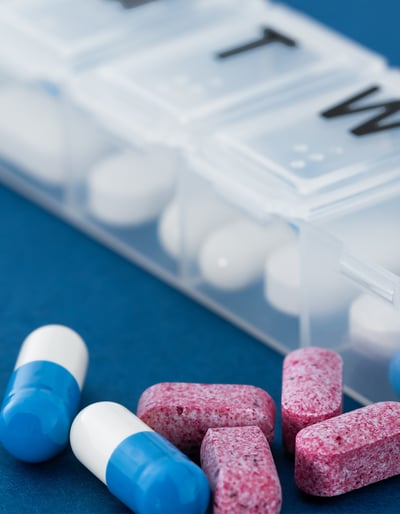
 

Solid pharmaceutical dosage forms assessed for microbial purity and regulatory compliance.

Solid Dosage Forms

Microbiological quality assessment of non-sterile solid pharmaceutical products to verify compliance with pharmacopoeial microbial limits and product-specific specifications.

Typical samples: Tablets, capsules, powders, granules and oral solid dosage forms.

Typical applications: Routine quality control, stability studies, release testing and GMP compliance.
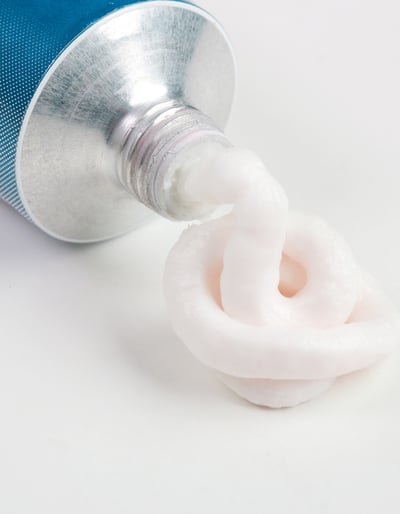
Semi-solid pharmaceutical products evaluated for microbial contamination and product quality.

Semi-Solid Pharmaceutical Products

Assessment of microbiological quality in semi-solid dosage forms where product composition may influence microbial growth and analytical recovery.

Typical samples: Creams, ointments, gels, pastes and topical formulations.

Typical applications: Microbial limit testing, product development, release testing and quality assurance.
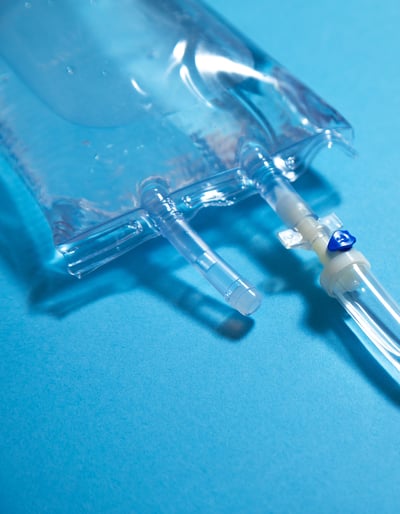
Liquid pharmaceutical formulations assessed for microbial purity and microbiological quality.

Liquid Pharmaceutical Products

Microbial purity testing of aqueous and non-aqueous liquid formulations throughout development, production and release.

Typical samples: Oral liquids, syrups, suspensions, solutions and liquid preparations.

Typical applications: Routine testing, release control, stability studies and qualitiy verification.

Finished pharmaceutical products evaluated for microbial purity before release.

Finished Pharmaceutical Products

Final microbiological quality verification before product release and market distribution.

Typical samples: Packaged pharmaceutical products, finished dosage forms and commercial product batches.

Typical applications: Release testing, batch approval, GMP compliance and quality assurance.

Regulatory Framework

Microbial purity testing is governed by pharmacopoeial requirements, GMP regulations and internationally recognized quality standards. Together, these frameworks define microbiological specifications, testing requirements and quality assurance measures throughout the pharmaceutical product lifecycle.

European Pharmacopoeia (Ph. Eur.)
Provides harmonized requirements for microbial limit testing, specified microorganisms, pharmaceutical water quality and herbal medicinal products.

EU GMP Guidelines 
Define quality assurance principles for pharmaceutical manufacturing, including microbiological control strategies, contamination prevention and environmental monitoring.  

EU GMP Annex 1 
Establishes risk-based requirements for contamination control and microbiological monitoring in cleanrooms and controlled manufacturing environments.

Product-Specific Regulatory Requirements
Additional microbiological specifications may apply depending on product category, route of administration, manufacturing process and market-specific regulatory expectations. 

DIN EN ISO/IEC 17025
Provides the framework for accredited testing laboratories and ensures the competence, reliability and traceability of analytical results.

Related Analytics

Endotoxin testing for pharmaceutical quality control.

Endotoxins

Endotoxin and microbial purity testing are complementary quality control measures for pharmaceutical products. Combined evaluation supports the assessment of microbiological quality, particularly for parenteral products and pharmaceutical water systems.
Learn More
Microbial identification supporting water hygiene investigations and microbiological risk assessment.

Microbial Identification

Atypical or unexpected microbiological findings in pharmaceutical products, water systems or controlled manufacturing environments often require species-level identification. Identification data support contamination investigations, risk assessment and corrective actions.

Learn More