

Root Cause Analysis
Identification of contamination sources throughout production, transport and storage.
Supports targeted corrective actions and process optimisation.
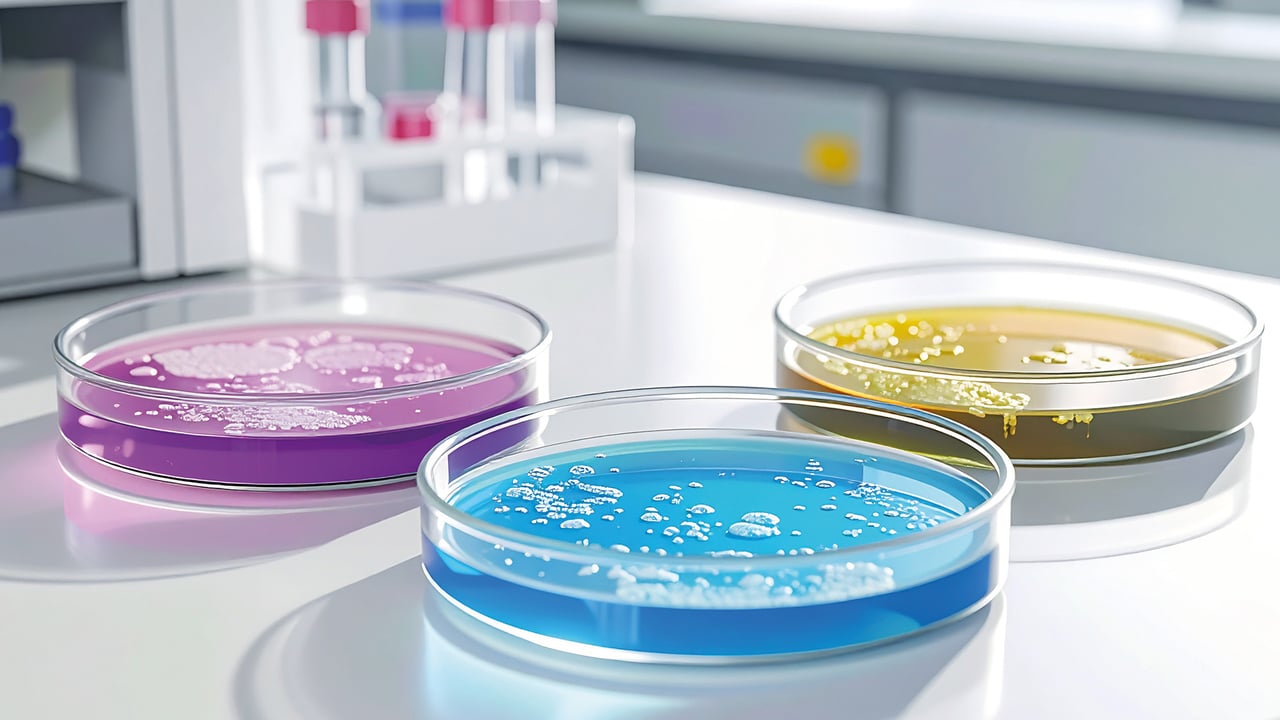

Microbiological findings often require more than quantitative results alone. Accurate species identification provides valuable information for evaluating contamination sources, understanding microbiological risks and determining appropriate corrective actions.
Pathogens, spoilage organisms, spore-formers and hygiene indicators can differ significantly in their relevance, origin and implications for food production. Reliable identification supports a better understanding of microbiological findings and helps distinguish between process-related contamination, hygiene deficiencies and product-specific risks.
We support food manufacturers and processors with culture-based, molecular and mass spectrometry methods for reliable microbial identification and species confirmation. Accreditation to DIN EN ISO/IEC 17025 provides the basis for scientifically sound and regulatory-compliant results.
Identification of contamination sources throughout production, transport and storage.
Supports targeted corrective actions and process optimisation.

Detection and identification of hygiene indicator organisms to assess sanitation effectiveness and production hygiene.
Supports hygiene verification and process improvement.

Identification of microorganisms associated with sensory changes, product instability and reduced shelf life.
Supports quality investigations and shelf-life assessment.

Identification of relevant foodborne pathogens, including Salmonella spp., Campylobacter spp., Bacillus cereus and Clostridium spp.
Supports food safety assessments and microbiological risk evaluation.

Species identification and microbiological classification provide a reliable basis for product release and regulatory assessments.
Supports contamination investigations and risk-based decision-making.

Microbial identification provides valuable information for product release decisions, contamination investigations, recall assessments and regulatory compliance. Accurate species-level identification supports risk evaluation, corrective actions and informed decision-making across the food supply chain.
We support food manufacturers and processors with scientifically sound identification data for microbiological investigations, quality assurance and regulatory assessments.
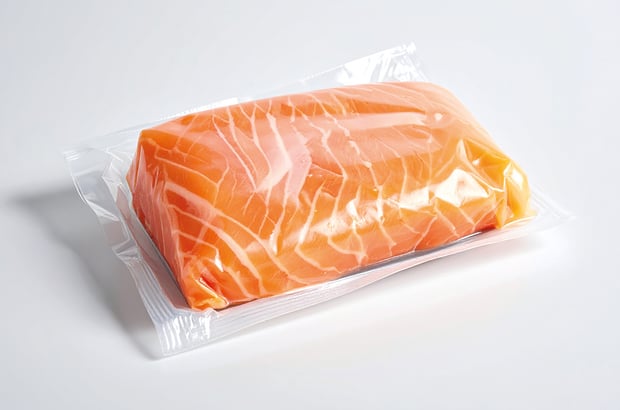
Identification of spoilage-associated microorganisms helps determine the causes of sensory defects, reduced shelf life and product instability. Combined assessment supports quality investigations, shelf-life evaluation and targeted improvement measures.
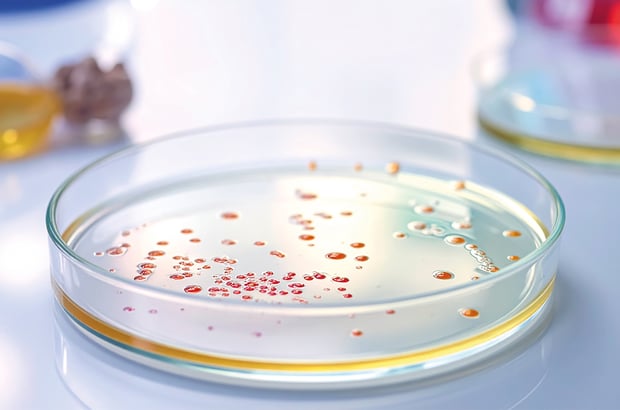
Microbial identification supports the confirmation of relevant pathogens such as Salmonella spp., Listeria monocytogenes and STEC. Accurate species identification complements pathogen testing and food safety investigations.