Skip to content

Legionella Testing

Accredited detection and assessment of Legionella in drinking water, cooling systems, pools, dental units and industrial water systems. 

Legionella testing in technical water systems for hygiene assessment and regulatory compliance.

Legionella Risks in Water Systems

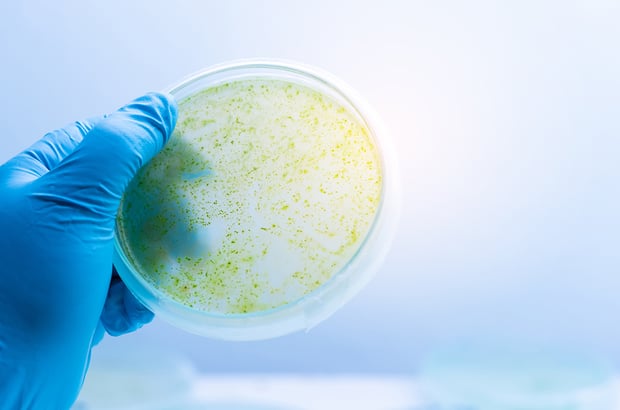
Water sample collected from a technical water system for Legionella testing.

Legionella are naturally occurring waterborne bacteria that can multiply in technical water systems under favorable conditions, particularly in the presence of biofilms and temperatures between 25 °C and 45 °C. Aerosol-generating systems may facilitate transmission and increase potential health risks.

Reliable testing supports the assessment of microbiological risks, the verification of control measures and compliance with applicable requirements for water systems.

We support operators, facility managers and industrial customers with accredited Legionella testing across a wide range of water systems. Accreditation to DIN EN ISO/IEC 17025 provides the foundation for scientifically sound and regulatory-compliant results.

Managing Legionella Risks in Water Systems

Systematic Legionella testing supports early risk detection, regulatory compliance and effective control measures across water systems.
Collection of samples according to established standards.

Standards-Compliant Sampling

Sampling according to DIN EN ISO 19458 ensures representative sample collection and reliable analytical results.

Supports comparable assessments and standards-compliant hygiene evaluations.


Evaluation against regulatory and compliance requirements.

Regulatory Assessment

Classification according to TrinkwV, the UBA recommendation for Legionella and the 42nd BImSchV supports regulatory compliance and risk-based decision-making.

Continuous monitoring and trend analysis.

Regular Monitoring

Routine monitoring helps identify developing trends and changes in system performance at an early stage.

Supports preventive risk management and long-term system control.


Definition of appropriate corrective measures.

Corrective Actions & Remediation

Analytical data support targeted corrective actions, including thermal or chemical disinfection measures.

Supports effective remediation strategies and long-term risk reduction.


3-7-6-4-5_AdobeStock_1951717038-1

Industry-Specific Applications

Tailored monitoring concepts for residential buildings, industrial facilities, dental units, swimming pools and other water systems.

Supports risk-based monitoring and application-specific control strategies.


Parameter Portfolio

Legionella testing is often complemented by additional microbiological indicators to provide a broader assessment of water hygiene and system condition. The selection of parameters depends on the water system, regulatory requirements and monitoring objectives.

Legionella spp.

Quantitative determination of Legionella spp. as a key hygiene parameter in water systems.

Method: Culture-based detection.

Results: CFU/100ml for assessment in accordance with TrinkwV.


Colony Count

Indicator of general microbiological contamination and system condition.

Method: Culture-based enumeration.

Results: CFU/ml values indicating microbial load and potential biofilm formation.

Escherichia coli & Coliform Bacteria

Indicators of faecal contamination in drinking water systems.

Methods: Membrane filtration and culture-based methods.

Results: CFU/100 ml for assessment of microbiological water quality.

Enterococci & Clostridium perfringens

Additional microbiological indicators supporting the assessment of faecal contamination and water quality.

Method: Culture-based detection.

Results: Including CFU/100 ml for broader risk assessment.

Pseudomonas aeruginosa

Important hygiene parameter in swimming pool water and dental unit water systems.

Method: Culture-based detection.

Results: Detection/non-detection for hygiene assessment.

Analytical Methods

The selection of analytical methods depends on the target parameter, water system and applicable regulatory requirements. Culture-based methods and membrane filtration provide reliable approaches for the assessment of microbiological water hygiene and Legionella-related risks.

Culture-Based Detection

Culture-based methods remain the reference standard for the assessment of microbiological water quality and hygiene. They enable reliable enumeration of Legionella, indicator organisms and general microbial contamination.

Suitable for: Legionella spp., colony count, Pseudomonas aeruginosa, enterococci and Clostridium perfringens.

Membrane Filtration

Membrane filtration enables the concentration of low levels of indicator organisms from larger water volumes and supports sensitive detection for drinking water monitoring and compliance testing.

Suitable for: Escherichia coli and coliform bacteria.


Water Systems We Analyze

Legionella monitoring applies across a broad range of technical and industrial water systems. The scope of analysis depends on system design, operating conditions, regulatory requirements and associated hygiene risks.

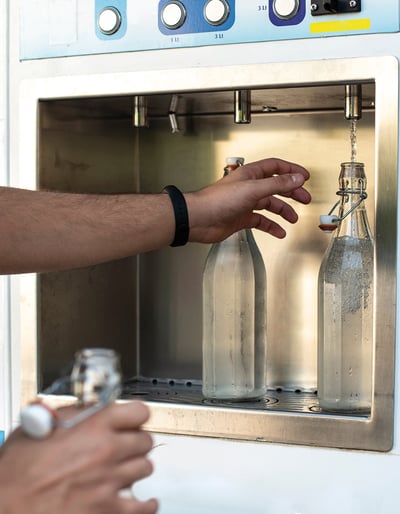
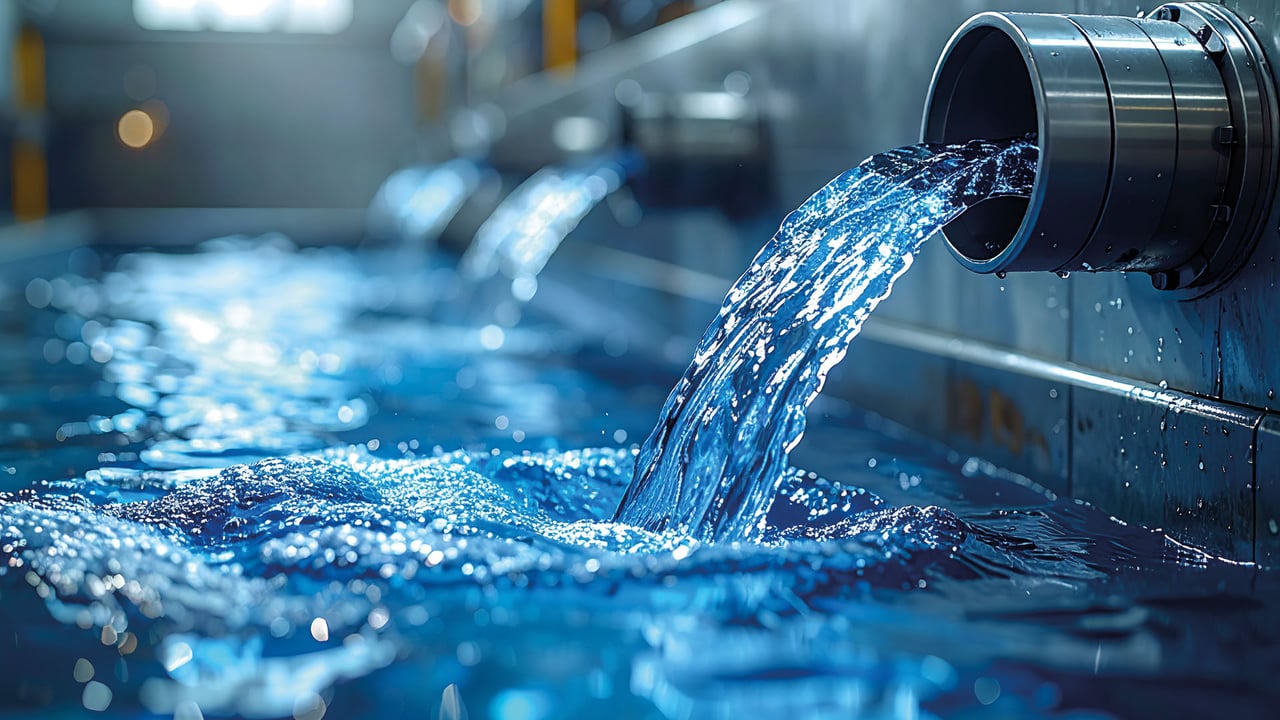
Drinking water sample tested for Legionella and hygiene parameters.

Drinking Water

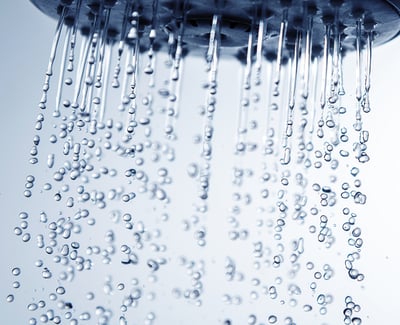
Assessment of drinking water systems for Legionella and other hygiene-relevant microorganisms to support safe operation and regulatory compliance.

Typical samples: Hot water systems, cold water systems, circulation systems, storage tanks and building installations.

Typical applications: Compliance testing under TrinkwV, risk assessment, operator obligations.

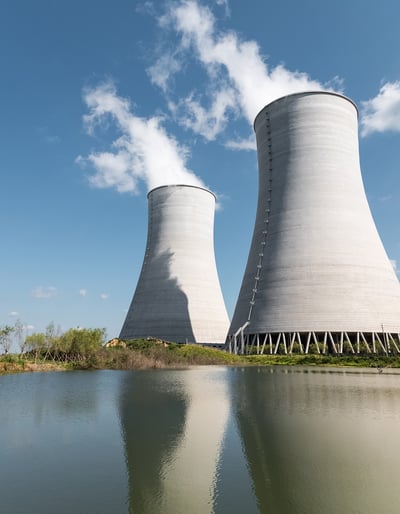
Cooling tower water sample tested for Legionella contamination.

Cooling Water Systems

Assessment of cooling water systems where favorable conditions may promote the growth of Legionella and increase hygiene-related risks.

Typical samples: Cooling towers, evaporative cooling systems, process cooling water and recirculating cooling systems.

Typical applications: Monitoring in accordance with 42. BImSchV, risk management, compliance programmes and operational hygiene control.

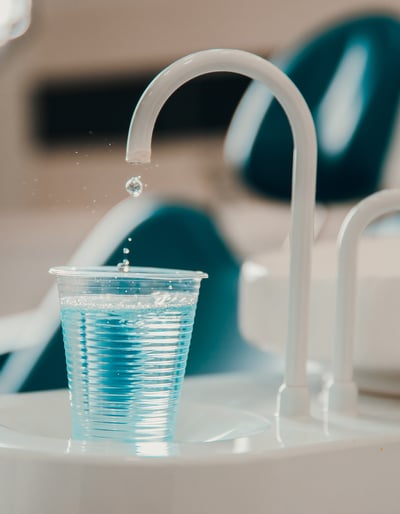
Dental unit water system assessed for Legionella and microbiological water quality.

Dental Unit Water

Monitoring of dental unit waterlines where aerosol-generating procedures require particular attention to microbiological water quality.

Typical samples: Dental treatment unit water, dental waterlines and associated supply systems.

Typical applications: Routine hygiene monitoring, compliance with RKI recommendations and patient protection measures.

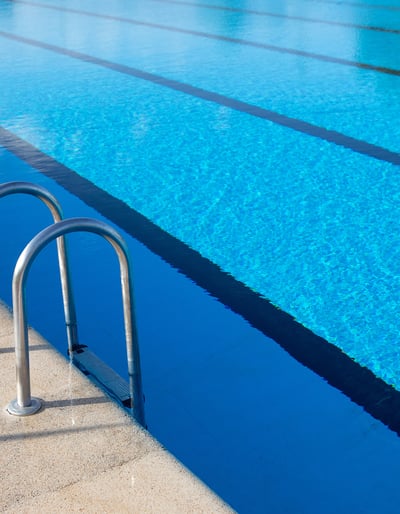
Swimming pool water system monitored for Legionella and microbiological hygiene.

Swimming Pool Water

Assessment of bathing and swimming pool water hygiene and microbiological water quality.

Typical samples: Pool water, circulation systems, balance tanks and technical water circuits.

Typical applications: Compliance testing under DIN EN ISO 19643, routine hygiene monitoring.


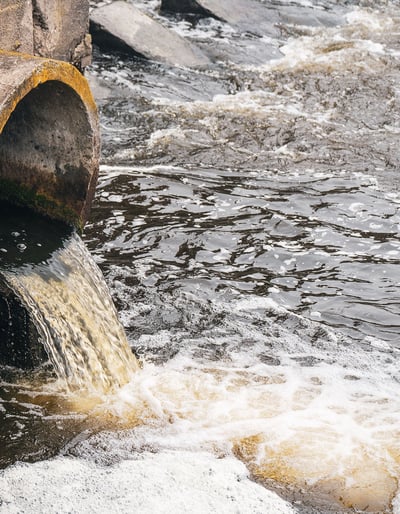
Industrial water system monitored for Legionella and microbiological contamination risks.

Industrial Process Water & Wastewater

Assessment of wastewater from industrial and special-purpose associations.

Typical samples: Process water, industrial water systems, wastewater and specialized water networks.

Typical applications: Regulatory compliance, discharge monitoring, risk assessment.


Regulatory Framework

Legionella testing is subject to specific regulatory requirements that vary depending on the type of water system. Applicable regulations, standards and recommendations define monitoring obligations, limit values and assessment criteria for operators.

TrinkwV (German Drinking Water Ordinance)
Defines Legionella limit values and testing obligations for drinking water installations.

UBA Recommendation on Legionella 
Federal Environment Agency guidance supporting risk assessment, classification and operator decision-making.

DIN EN ISO 19458
Reference standard for water sampling, ensuring valid and comparable results.

42. BImSchV
Regulatory requirements for evaporative cooling systems, cooling towers and wet separators, including Legionella monitoring obligations. 

DIN EN ISO 19643
Standard for the microbiological examination of swimming and bathing pool water. 

RKI Guideline (2006)
Hygiene requirements for water-conducting systems in dental units. 

Related Analytics

Water hygiene assessment using microbiological indicator organisms and hygiene parameters.

Hygiene Indicators

Additional microbiological indicator parameters can complement Legionella monitoring and provide a broader assessment of water hygiene and system condition. Parameters such as Escherichia coli, coliform bacteria, enterococci and colony count support the evaluation of contamination pathways and overall microbiological water quality.

Learn More
Microbial identification supporting water hygiene investigations and microbiological risk assessment.

Microbial Identification

Unusual or inconclusive findings may require species-level identification to support further evaluation. Microbial identification helps characterize atypical isolates and supports contamination investigations, risk assessment and decision-making.

Learn More