
Assessment of Pyrogenic Risks
Quantification of endotoxins to prevent unwanted pyrogenic and immunological reactions in patients.
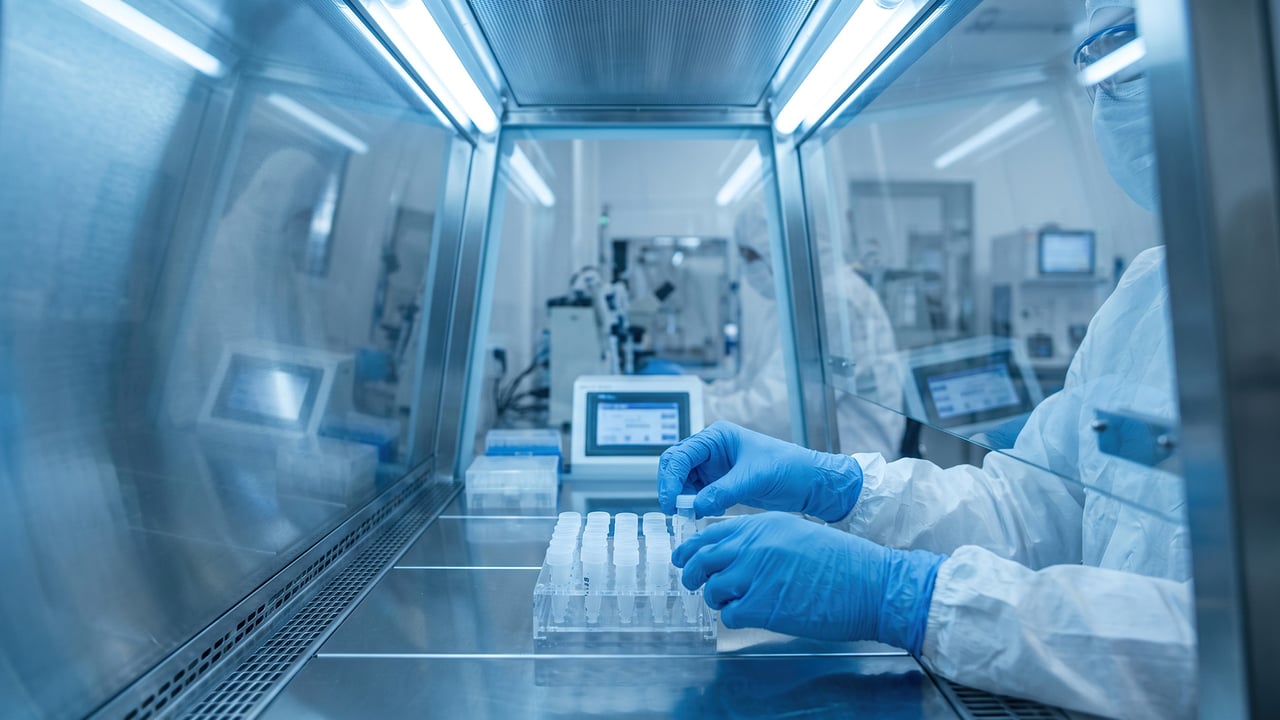
Accredited endotoxin testing according to Ph. Eur. 2.6.14 for pharmaceutical products, medical devices, pharmaceutical water systems, raw materials and excipients.


Endotoxins are heat-stable components of gram-negative bacteria that may pose a significant risk to the safety of parenterally administered pharmaceutical products, medical devices, raw materials and excipients. Even very small concentrations can trigger strong pyrogenic reactions. Reliable endotoxin quantification is therefore an essential component of pharmaceutical quality management and batch release.
As a GMP-certified and DAkkS-accredited laboratory according to DIN EN ISO/IEC 17025, we provide pharmacopoeia-compliant endotoxin testing to support product quality, patient safety and regulatory compliance throughout the pharmaceutical lifecycle.
Quantification of endotoxins to prevent unwanted pyrogenic and immunological reactions in patients.
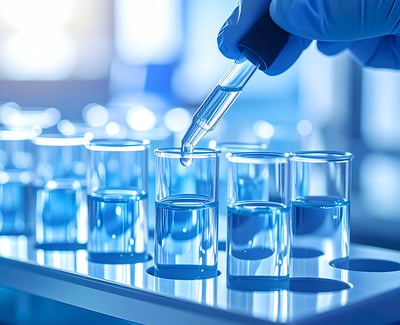
Analysis of injectables, infusion solutions, medical devices, process water, water for injections, buffer systems and raw materials.
Integration of endotoxin testing into manufacturing, in-process control and quality release in accordance with GMP and pharmacopoeial requirements
Assessment of results for the early detection of contamination sources, investigation support and process optimization.
Detection and quantification of pyrogenic components of gram-negative bacteria.
Method: Limulus Amebocyte Lysate Test (LAL Test).
Result: Quantitative endotoxin determination, for example in EU/ml or EU/g, supporting risk assessment and regulatory compliance.
Suitable for: Pharmaceutical products, medical devices, pharmaceutical water systems, raw materials and excipients.
Assessment of endotoxin levels in products administered directly into the bloodstream or body tissues.
Typical samples: Injectable pharmaceuticals, infusion solutions, parenteral formulations and sterile drug products.
Typical applications: Batch release, product qualification and patient safety assurance.
Verification of endotoxin contamination on medical devices intended for patient contact.
Typical samples: Implants, single-use medical devices, surgical devices and sterile components.
Typical applications: Product release, compliance verification and contamination control.
Assessment of pharmaceutical water systems for endotoxin contamination.
Typical samples:
Process water, purified water and water for injections (WFI).
Typical applications:
Water quality monitoring, GMP quality assurance and contamination prevention.
Assessment of endotoxin contamination in critical process materials used during manufacturing and formulation.
Typical samples:
Buffer systems, process solutions and formulation components.
Typical applications:
Process monitoring, contamination investigations and quality assurance.
Verification of incoming materials before use in pharmaceutical production.
Typical samples:
Active pharmaceutical ingredients, excipients and manufacturing materials.
Typical applications:
Incoming goods inspection, supplier qualification and risk management.
Endotoxin testing is governed by pharmacopoeial requirements, GMP regulations and internationally recognised quality standards. These frameworks support reliable pyrogenic risk assessment, product quality and patient safety.
Ph. Eur. 2.6.14 – Bacterial Endotoxins
Defines the requirements for the detection and quantification of bacterial endotoxins using validated test procedures.
EU GMP Guidelines
Provide the framework for contamination control, pharmaceutical quality assurance and batch release requirements.
DIN EN ISO/IEC 17025
Defines the requirements for accredited testing laboratories and ensures competence, traceability and reliability of analytical results.
Product-Specific Regulatory Requirements
Additional endotoxin specifications may apply depending on product category, route of administration and intended use.

Endotoxin testing and microbial purity testing are closely linked quality parameters for pharmaceutical products, particularly for water for injections and parenteral formulations, where both viable microorganisms and bacterial endotoxins must be controlled to ensure patient safety.
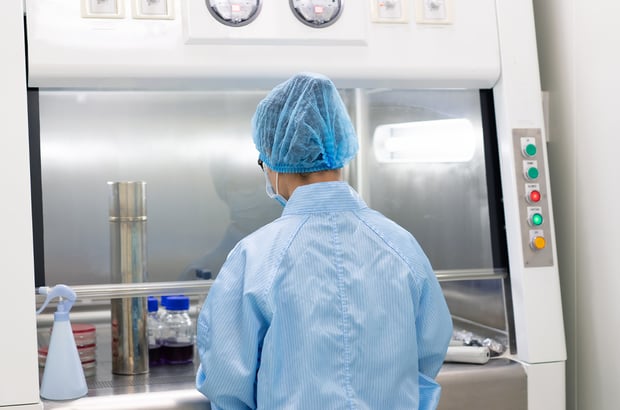
Sterility testing and endotoxin analysis assess different but closely related quality attributes of critical pharmaceutical products. While sterility testing confirms the absence of viable microorganisms, endotoxin testing evaluates pyrogenic contamination that may remain even when no viable microorganisms are present.